
How to store semaglutide & tirzepatide step by step
Learning how to store semaglutide takes one rule and a few habits. Keep the vial cold, keep it out of the light, never let it freeze, and know its dates. How to store tirzepatide is the same routine with different numbers on the brand label.
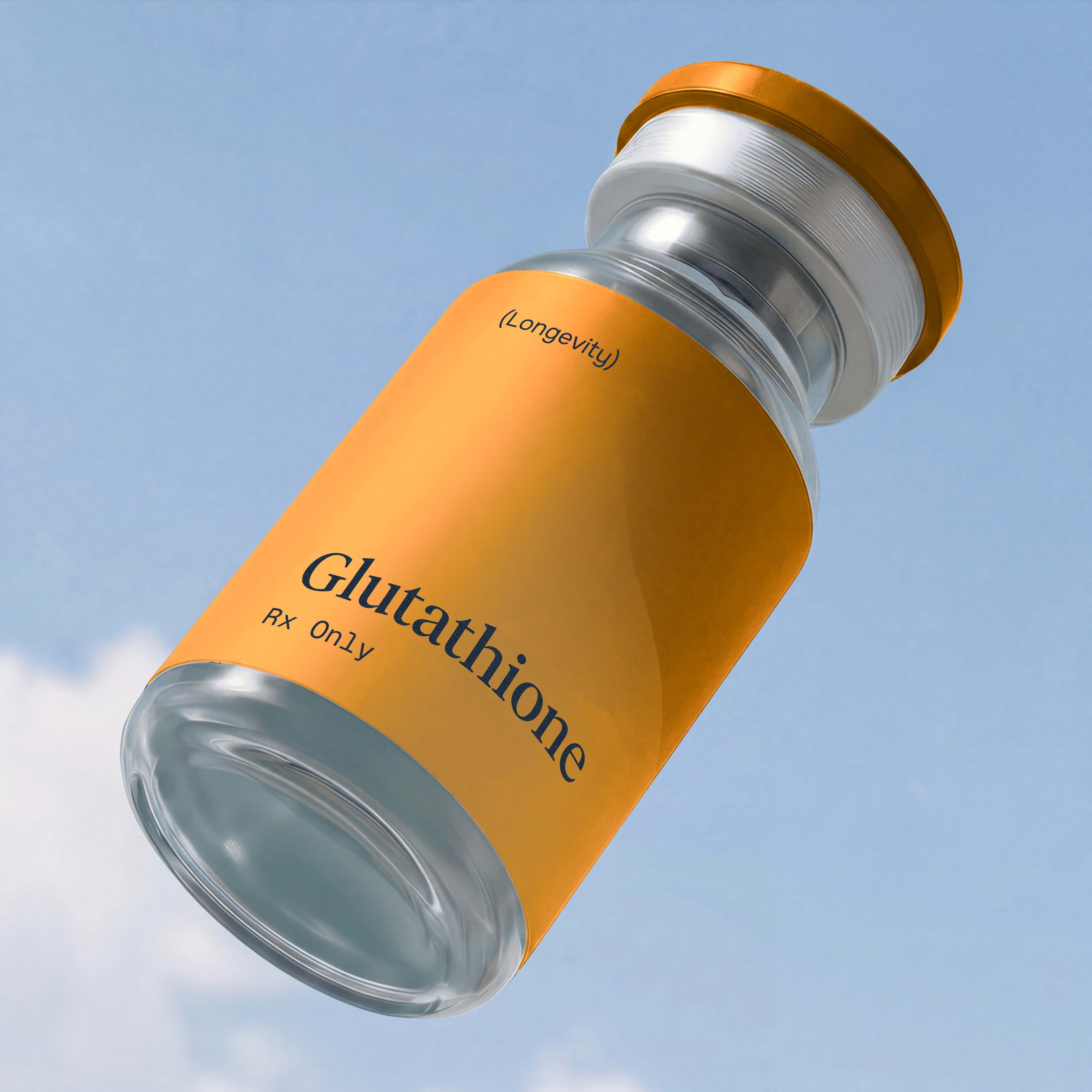
Harbor's compounded semaglutide and tirzepatide are a once-weekly shot you give yourself at home, shipped as a vial in temperature-controlled packaging after a licensed clinician reviews your intake. Compounded medications are not FDA approved, so the brand figures below are a reference, not your instructions. They come from the current Wegovy, Ozempic and Zepbound labels and from MedlinePlus semaglutide injection facts. Your pharmacy label has the final word on your own vial.
Step 1: Refrigerate vials as soon as they arrive
Open the box the day it lands and move the vial into the refrigerator. The Wegovy and Zepbound labels both set the storage range at 36 to 46 degrees Fahrenheit (2 to 8 degrees Celsius). A thermometer shows whether your shelf sits in that range, and the FDA's food safety guidance calls an appliance thermometer the best way to know a refrigerator's temperature. Check the package before you put it away. The FDA has received complaints about compounded GLP-1 drugs that arrived warm or with inadequate ice packs, and it recommends not using any injectable GLP-1 drug that arrives warm. Each order ships in temperature-controlled packaging. One member, Mariama, described a delivery that "arrived cool as cucumber in a little cooler box" in a July 22, 2026 Trustpilot review. If your box does not feel cold, contact support before you use the vial.
Refrigeration is the baseline. The FDA says injectable GLP-1 drugs require it.
Step 2: Keep vials away from light & freezing
Leave the vial in the packaging it came in. The Zepbound label says to store the drug in its original carton to protect it from light, and the Wegovy label carries the same instruction. MedlinePlus adds that heat, air, light and moisture may damage medicines in general. Cold has a floor. Both labels say do not freeze, and the Wegovy and Ozempic labels also say not to store the pen in the freezer or directly next to the refrigerator's cooling element. Pick a spot on the shelf that is clear of it.
A dose that has frozen stays off limits. The Zepbound label says do not use it if frozen.
Step 3: Know how long a vial can stay out of the fridge
How long can semaglutide be out of the fridge? The brand labels answer by product. A Wegovy single-dose pen can be kept at 46 to 86 degrees Fahrenheit for up to 28 days before the cap comes off. An Ozempic pen can be stored for 56 days after first use, either at 59 to 86 degrees or in the refrigerator. Tirzepatide has its own numbers. The Zepbound label allows a single-dose pen or single-dose vial a total of 21 days unrefrigerated at no more than 86 degrees. An opened Zepbound multi-dose vial can sit in the refrigerator or at room temperature up to 86 degrees, and it is thrown away after a total of 30 days at room temperature, 30 days after first use, or 4 weekly doses, even if medicine is left. None of those windows transfers to a compounded vial. Compounded semaglutide and tirzepatide are not FDA approved, so no FDA-reviewed label sets a room-temperature limit for them. Treat the refrigerator as the only storage place unless your pharmacy label says otherwise. If a vial was left out, ask the pharmacy or your clinician before the next dose.
A brand label's room-temperature window applies to that product only.
Step 4: Pack a cooler when traveling with semaglutide
Traveling with semaglutide or tirzepatide means taking the refrigerator's job with you. Carry the vial in an insulated bag with gel packs, inside its labeled packaging. The brand labels warn against storing a pen next to a refrigerator's cooling element, so use the same caution in a cooler and keep a layer between the vial and a frozen pack. It helps to build a weekly GLP-1 routine with a fixed shot day, so you can see which trips overlap a dose. For flights, MedlinePlus says to keep medicines in your carry-on luggage and in their original bottles. The TSA allows medically necessary liquids in reasonable quantities, unused syringes when they accompany injectable medication, and medically necessary gel ice packs whether frozen, melted or slushy. Declare each one to the officer at the checkpoint. The TSA recommends, but does not require, that medication be labeled. On the road, MedlinePlus warns against the glove compartment, where medicines can get too hot, cold or wet. For trips abroad, the CDC advises bringing copies of your prescriptions and checking with your destination's embassy that the medicine is permitted.
Extreme temperatures can reduce the effectiveness of many medicines, the CDC notes.
Step 5: Check the beyond-use date before each dose
A compounded vial carries a beyond-use date. USP, the organization that publishes U.S. compounding standards, defines it as the date after which a compounded preparation must not be used, stored or transported. Storage conditions are one of the factors a pharmacy weighs when it assigns that date. A second clock starts with your first dose. The FDA recommends discarding a multi-dose vial within 28 days after first use, even if medication remains and even if the compounder's instructions allow longer, because the risk of contamination rises after 28 days. Write the first-use date on the vial and go by whichever date comes first. Read the label on every new vial, not just your first. In a September 19, 2026 Trustpilot review, member Sarah Cativo wrote that she "didn't realize until tonight that each bottle had different instructions" and turned to the support chat that night. Once the dates check out, the next step is to inject tirzepatide from a vial or inject semaglutide at home .
Two dates govern an opened vial, and the earlier one wins.
| Product | In the refrigerator | Out of the refrigerator | When to discard |
|---|---|---|---|
| Wegovy single-dose pen | 36 to 46 degrees F | 46 to 86 degrees F for up to 28 days, cap on | After use, or if it has frozen |
| Ozempic pen | 36 to 46 degrees F | 59 to 86 degrees F, only after first use | 56 days after first use |
| Zepbound single-dose pen or vial | 36 to 46 degrees F | Up to 86 degrees F for a total of 21 days | After 21 total days at room temperature |
| Zepbound multi-dose vial, opened | 36 to 46 degrees F | Up to 86 degrees F | After 30 total days at room temperature, 30 days after first use, or 4 weekly doses |
| Compounded vial, not FDA approved | As your pharmacy label directs | Only if your pharmacy label allows it | By the beyond-use date, and within 28 days after first use |
Brand rows are from the current Wegovy, Ozempic and Zepbound labels on DailyMed. The 28-day figure in the last row is the FDA's recommendation for multi-dose vials. Brand windows do not apply to compounded vials.
Read down the third column and no two products match. That is the case for following the label in your hand instead of a number you saw for another drug.
Tirzepatide storage mistakes to avoid
Most tirzepatide storage mistakes are small habits, and semaglutide vials are open to the same ones. The Zepbound label, MedlinePlus and the FDA's page on compounded GLP-1 drugs cover nearly all of them.
- Borrowing a brand window. The 21 days on the Zepbound label belong to Zepbound's single-dose pens and vials. Compounded tirzepatide is not FDA approved, and its pharmacy label is the one that counts.
- Restarting the clock. The Zepbound limit is a total of 21 days at room temperature, and MedlinePlus says not to return a tirzepatide pen or vial to the refrigerator once it has been stored at room temperature.
- Using a vial that froze. The Zepbound label says do not use Zepbound if frozen, which is the reason to keep it clear of the freezer, the cooling element and a frozen gel pack.
- Storing it in the car. MedlinePlus says not to keep medicines in a glove compartment, where they can get too hot, cold or wet.
- Keeping an opened vial past 28 days. The FDA says to discard a multi-dose vial within 28 days after first use, even if medication is left.
- Reusing a needle or syringe. The FDA says to use a new, sterile needle and syringe for each dose, because reuse can contaminate the medication in the vial.
When storage goes wrong, ask first
A vial that arrived warm, froze, sat out or passed its date is a question for your pharmacy or clinician, not a judgment call. Harbor offers 24/7 access to its clinical team for medical questions through the patient portal. Message your clinician before you take the dose.
Semaglutide & tirzepatide shots from Harbor
Harbor's semaglutide shots and tirzepatide shots are once-weekly injections you give yourself at home, drawn from a vial with a U-100 insulin syringe. Both are compounded and not FDA approved. A board-certified physician reviews your intake and decides whether treatment is appropriate before anything ships.
Harbor's compounded semaglutide is the program built for gradual, consistent progress. Harbor tirzepatide shots are for patients whose clinician recommends a two-pathway approach. Each shipment travels in temperature-controlled packaging and, according to the program FAQ, includes the prescribed vial, U-100 insulin syringes with attached needles, alcohol prep pads and a sharps container.
The program is designed to end. Medication, clinician care and check-ins sit in one price, with a clinician-guided taper when you reach your goal and registered-dietitian aftercare after it. A storage question does not have to wait for a refill, since licensed clinicians are available around the clock for medical questions through the patient portal. The online quiz starts the physician review.
Medical disclaimer
This article is for general education and is not medical advice. It is not a substitute for evaluation, diagnosis, or treatment by a licensed clinician. Talk with a qualified clinician about your individual situation.
Compounded medications
Harbor is a technology platform. Medical evaluations are conducted by independent, licensed healthcare providers who determine whether treatment is appropriate. Providers may prescribe FDA-approved or compounded medications based on clinical judgment and patient needs. Compounded medications are not FDA approved and are not reviewed by the FDA for safety or effectiveness.
Frequently asked questions
Yes. MedlinePlus says to store semaglutide pens in the refrigerator at 36 to 46 degrees Fahrenheit and not to freeze them, and the FDA says injectable GLP-1 drugs require refrigeration. Some brand pens allow limited time at room temperature. Compounded semaglutide is not FDA approved, so follow the storage directions on your pharmacy label.
Yes. The Zepbound label says to store tirzepatide in a refrigerator at 36 to 46 degrees Fahrenheit, in its original carton, and not to use it if it has frozen. Compounded tirzepatide is not FDA approved and has no FDA-approved label, so the pharmacy label sets the storage directions for your vial.
On the Zepbound label, a single-dose pen or single-dose vial can be stored unrefrigerated at up to 86 degrees Fahrenheit for a total of 21 days, and is then discarded. That window belongs to Zepbound. Compounded tirzepatide is not FDA approved, so ask your pharmacy or your clinician before using a vial that was left out.
Sources
- FDA's concerns with unapproved GLP-1 drugs used for weight loss. U.S. Food and Drug Administration, content current as of October 1, 2026.
- WEGOVY (semaglutide) injection and tablets, prescribing information, revised June 2026. DailyMed, U.S. National Library of Medicine.
- OZEMPIC (semaglutide) injection, prescribing information, revised May 2026. DailyMed, U.S. National Library of Medicine.
- ZEPBOUND (tirzepatide) injection, prescribing information, revised August 2026. DailyMed, U.S. National Library of Medicine.
- Semaglutide Injection. MedlinePlus, U.S. National Library of Medicine.
- Tirzepatide Injection. MedlinePlus, U.S. National Library of Medicine.
- Storing your medicines. MedlinePlus Medical Encyclopedia, reviewed January 14, 2026.
- Medications (Liquid). Transportation Security Administration.
- Unused Syringes. Transportation Security Administration.
- Gel Ice Packs. Transportation Security Administration.
- Traveling Abroad with Medicine. Centers for Disease Control and Prevention, Travelers' Health.
- Are You Storing Food Safely? U.S. Food and Drug Administration, content current as of January 18, 2023.
- USP Compounding Standards and Beyond-Use Dates, fact sheet. United States Pharmacopeia, hosted by the Mississippi Board of Pharmacy.
Keep reading
All 199 articles →- GLP-1 Medications
6 Wegovy Alternatives, Including Compounded Semaglutide Shots
Six options when weekly Wegovy is out of reach: compounded semaglutide and tirzepatide, which are not FDA approved, plus Zepbound, the Wegovy pill, Foundayo and Saxenda. What each one is and how a clinician chooses.
By Harbor Health Team
- GLP-1 Medications
7 Appetite Suppressants Compared to GLP-1 Shots
Appetite suppressants run from short-term prescription pills to fiber, protein and caffeine. Here are seven, each read from its FDA label or NIH evidence, and how GLP‑1 shots prescribed by a clinician compare.
By Harbor Health Team
- GLP-1 Medications
Weight Loss Pills vs Weight Loss Injections, How They Differ
Both routes now include GLP-1 medicines. One is a shot once a week, the other a tablet every day, sometimes on an empty stomach. Here is how the labels compare, and where a clinician fits.
By Harbor Health Team
