
Harbor is now
Start for $99No results? No chargeSame-day approvalNo price increases — everBuy now, pay later

Glutathione vs NAC: Taking the Antioxidant Directly vs Taking Its Building Block

One is the antioxidant itself. The other is the raw material your cells use to make it. Here is how they compare, and why our clinicians prescribe glutathione itself.

Clinically reviewed
Medically reviewed by Harbor Health TeamMedical Content Team10 min read

At a glance

NAC facts from its FDA labels and FDA guidance; glutathione from human pharmacokinetic and trial data

NAC

N-acetylcysteine, a cysteine precursor

1963Key numberyear the FDA first approved it as a drug

  • FDA statusApproved drug; supplements under FDA discretion
  • RouteOral, inhaled or IV
  • Through HarborNot offered
  • Physician reviewNone for over-the-counter NAC
Offered by Harbor
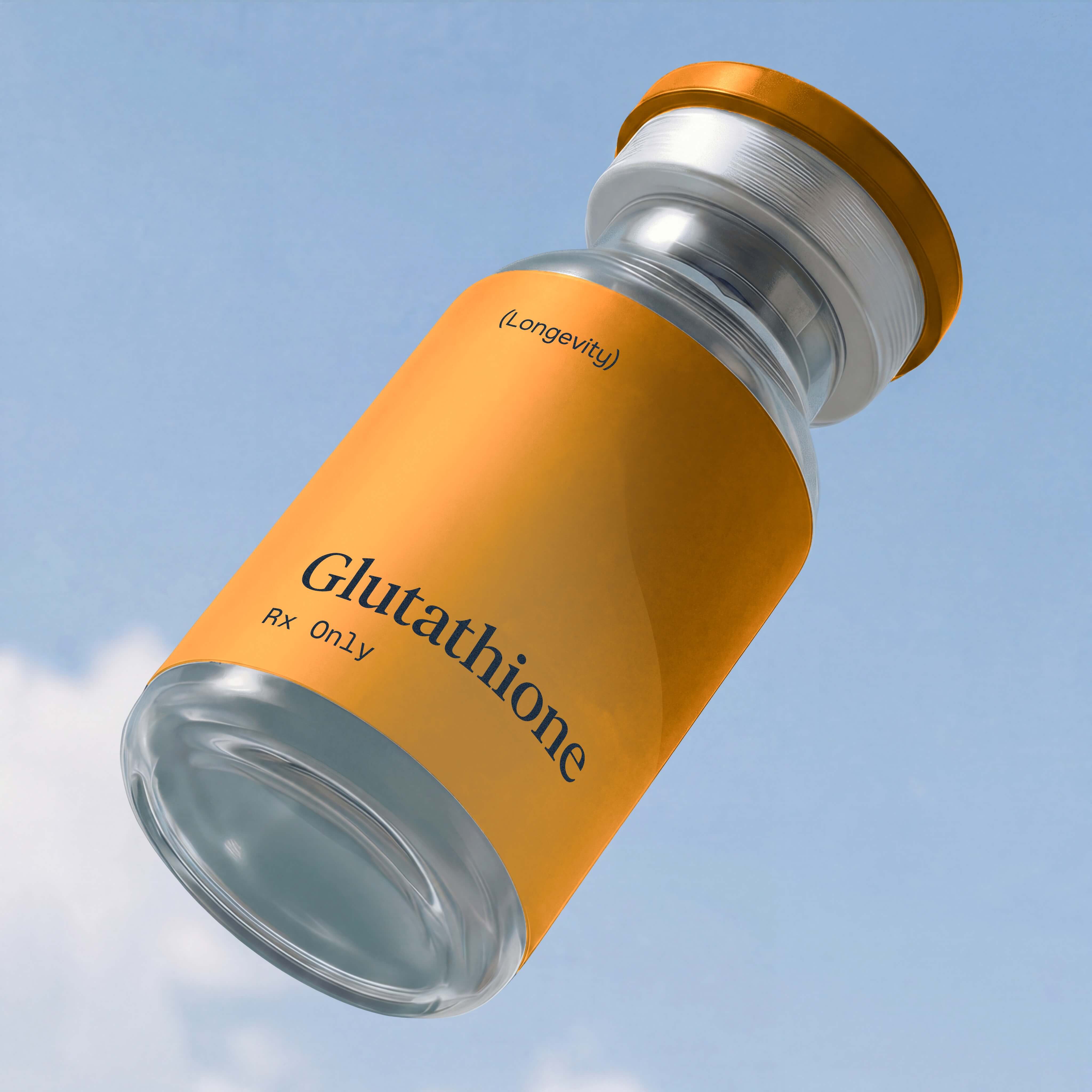
Glutathione vial

Glutathione

The finished tripeptide, compounded

  • FDA statusCompounded, not approved
  • RouteSubcutaneous, at home
  • Through HarborFrom $89/mo
  • Physician reviewEvery intake

The verdict: For glutathione support with a physician behind it, Harbor's glutathione program is the stronger choice: the finished molecule, prepared by a licensed U.S. pharmacy, prescribed after physician review and adjusted by clinicians you can reach 24/7, at a flat $89 a month. NAC, an FDA-approved drug since 1963 and an inexpensive capsule, suits people who would rather manage a precursor on their own.

The short answer

Glutathione injections give you the finished antioxidant, and through Harbor they come with the care around it. A board-certified physician reviews your history before anything is prescribed, a licensed U.S. pharmacy prepares the medication for you, and a clinician sets your schedule and adjusts it at check-ins. That is the program we offer, at a flat $89 a month.

NAC takes the indirect route. It is an FDA-approved drug that raises glutathione by supplying cysteine, the amino acid your cells run short of first when they build the molecule, and it is sold over the counter as an inexpensive capsule. It suits people who prefer to buy a precursor and manage it on their own.

Our glutathione is compounded, so it is not FDA-approved. A program supports your levels under clinician guidance rather than promising a specific result.

How each one works

Glutathione is a three-part molecule, a tripeptide of glutamate, cysteine and glycine, present in every tissue at concentrations of 1 to 10 millimolar and highest in the liver. It is the most abundant non-protein thiol in the body, the sulfur-based antioxidant cells lean on most. More than 98% of it sits in the reduced form (GSH), which is oxidized as it neutralizes peroxides and then recycled back, and it is also central to detoxification and immune function (Lu, 2013). Our explainer on what glutathione therapy is covers why levels are thought to fall with age and stress.

NAC: the building block

Cells make glutathione in two steps, and the first is the bottleneck. The enzyme that runs it, glutamate cysteine ligase, is rate-limiting, and its pace depends on cysteine. Glutamate inside cells runs about ten times above what the enzyme needs; cysteine sits right at its limit (Lu, 2013). NAC is cysteine with an acetyl group attached. The body converts it to cysteine, and cysteine goes on to form glutathione (Acetadote label). In acetaminophen overdose, the label explains, NAC protects the liver by maintaining or restoring glutathione, or by binding the toxic metabolite itself.

Glutathione: the finished molecule

An injection skips the synthesis step and puts the complete tripeptide into circulation. In the clearest human pharmacokinetic study, an IV infusion in 10 healthy volunteers raised plasma glutathione from about 17.5 to 823 micromoles per liter, with a half-life of about 14 minutes, while plasma cysteine rose from about 9 to 114 (Aebi, 1991). The authors concluded that it markedly raises the cysteine available inside cells.

Why that detail matters

Your own production is under feedback control: glutathione slows the enzyme that makes it (Lu, 2013), so neither route pushes levels up without limit. What changes the experience is the dose, the schedule and who is watching your response, which is why a program runs on a schedule your clinician sets and reviews.

What the evidence shows

What glutathione trials show

Most controlled evidence for glutathione supplementation comes from the oral form. The strongest trial randomized 54 nonsmoking adults to 250 or 1,000 milligrams of oral glutathione daily or placebo for six months. In the high-dose group, glutathione in red cells, plasma and lymphocytes was 30 to 35% higher at six months, natural killer cell activity more than doubled versus placebo at three months, and levels returned to baseline after a one-month washout (Richie, 2015).

For injected glutathione, the human data are pharmacokinetic studies like Aebi's rather than randomized trials in healthy adults, so the evidence for the injected form is still limited. We say that plainly. Individual responses vary.

NAC's record since 1963

The FDA approved acetylcysteine as a new drug on September 14, 1963 (FDA guidance, 2022). Its intravenous form, Acetadote, is indicated to prevent or lessen liver injury after a potentially toxic dose of acetaminophen, and in the label's clinical study none of the 58 patients treated within 8 hours of ingestion developed liver toxicity (Acetadote label). The oral and inhaled solution is also approved to thin abnormally thick mucus in conditions such as chronic bronchitis and the lung complications of cystic fibrosis (acetylcysteine solution label).

Those approvals cover overdose and mucus. Neither label covers NAC as a daily antioxidant, and the capsules on store shelves are sold as supplements, not as the approved drug.

Side by side

NAC facts from its FDA labels and the FDA's 2022 NAC guidance. Harbor program details and pricing from startarbor.com/glutathione.
AttributeNACGlutathione
What you getCysteine, a raw material your cells convertThe finished glutathione molecule itself
Approval, price and recordFDA-approved drug since 1963; inexpensive oral capsuleCompounded, not FDA-approved; costs $89 a month
Physician reviewNone for over-the-counter NACBoard-certified U.S. physician reviews every intake
Safety screeningUp to you, including the asthma caution on the labelFull health history reviewed before prescribing
Who prepares itSupplement makers; you choose the brandLicensed U.S. pharmacy, prescribed for you
Ongoing careNone; you choose your own dose24/7 licensed clinicians; dose adjusted at check-ins
RoutineOral capsule, self-directedSmall subcutaneous injection at home
What the price coversThe capsulesMedication, clinician care and check-ins, flat

Scroll the table sideways to see both columns →

Side effects and safety

Neither is risk-free. The risks look different, and so does who checks for them.

NAC

Oral acetylcysteine can cause nausea, vomiting and other stomach symptoms, especially at the large doses used for acetaminophen overdose, and the inhaled form occasionally and unpredictably triggers bronchospasm (acetylcysteine solution label). In hospital use, IV acetylcysteine caused hives or facial flushing in 6.1% of 4,709 adults and anaphylaxis in 0.1%; the Acetadote label warns that reactions can be life-threatening and that patients with asthma should be closely monitored (Acetadote label).

Over the counter, nobody screens for those cautions before your first capsule.

Glutathione

Injected glutathione most often causes mild injection-site redness or soreness; stomach upset is uncommon and allergic reactions are rare. The bigger safety story is sourcing. In August 2026 the FDA reported at least 30 patients with fever, chills, pain, dizziness, signs of shock and sepsis-like symptoms, some hospitalized, after IV glutathione compounded from ingredient labeled dietary supplement grade. Two Texas pharmacies recalled injectable glutathione over elevated endotoxin, and the agency noted it had raised the same concern in 2019 (FDA, 2026).

The pharmacy matters as much as the molecule. Harbor's glutathione is prepared by licensed 503A and 503B U.S. pharmacies, and a physician reviews your history before anything ships.

Message us instead of guessing

Swelling of the face, lips or throat, trouble breathing, wheezing or hives after a dose of either product means stop and seek emergency care. Fever, chills, shaking or body aches within hours of a glutathione injection are not a normal reaction and need same-day medical attention. Everything else, including a sore injection site or mild nausea, is a message to your Harbor clinician.

FDA status, access and cost

NAC's regulatory position is unusual. A July 2020 FDA warning letter stated that NAC products are excluded from the dietary supplement definition because NAC was approved as a drug first, on September 14, 1963 (FDA warning letter, 2020). On March 31, 2022 the agency denied the core request of two industry citizen petitions to reverse that conclusion. In August 2022 it issued final guidance saying it intends to use enforcement discretion for otherwise lawful NAC supplements, noting that its initial safety review had not revealed concerns while it considers rulemaking (FDA guidance, 2022). On November 29, 2023 it said it had completed its review of NAC safety information and sent it to peer review (FDA update, 2023). The 2022 guidance was still the FDA's posted policy on October 7, 2026. In plain terms: an approved drug, technically not a supplement, still on shelves.

Our glutathione takes the other path. Compounded glutathione is prepared by licensed pharmacies for individual patients and is not reviewed by the FDA for safety or effectiveness. It sits in Category 1, substances under evaluation, on the FDA's list of bulk drug substances nominated for 503A compounding (FDA 503A nominations list, May 2026). We explain the model in what compounded medications are and why they cost less.

A bottle of NAC costs less than a month of any supervised program. Harbor's glutathione program is $89 a month, flat, with no increase as your dose changes, and it covers the physician review, the medication shipped to your door, 24/7 clinician support and regular check-ins. You are paying for a supervised program, not just a molecule.

What to ask any clinic first

  • Is a licensed physician reviewing your full health history, including asthma, pregnancy or breastfeeding, liver or kidney disease, and every medication you take?
  • Which licensed pharmacy prepares it, and is the glutathione pharmaceutical grade rather than dietary-supplement grade?
  • Who sets the schedule, how will they check your response, and can you reach them when something feels off?

A clinic that cannot answer the second question is exactly what the FDA's 2026 alert warned about.

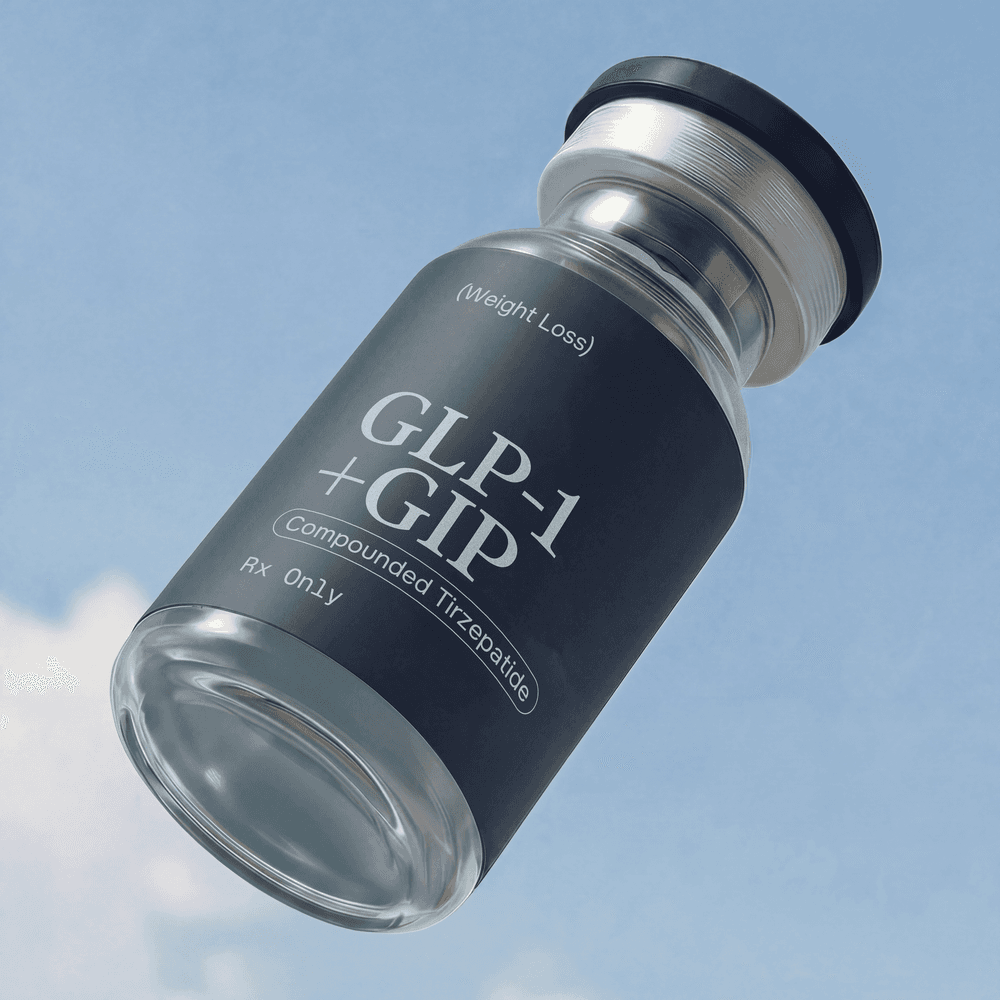
Tirzepatide vial
Weight lossTirzepatide

Dual-action GLP‑1/GIP for faster results

From
$149/mo
Taken
Once-weekly injection
Type
Dual GLP‑1/GIP agonist
Learn more

How Harbor clinicians choose

Our clinicians start from your goals and your full health history, then decide whether glutathione is appropriate.

Start with glutathione injections when

  • You want the finished molecule itself, not a precursor your cells must convert
  • You want a board-certified physician to review your history first
  • You want a clinician to set your schedule and adjust it as you respond
  • You want one flat monthly price that covers the medication and the care
  • A small at-home injection of a compounded medication suits you

NAC might suit you if

  • You want the lowest cost and prefer an oral capsule to an injection
  • You are comfortable choosing a brand and a dose on your own
  • You are being treated for a condition where NAC has trial data, in which case ask the clinician treating it

On dosing

There is no FDA-labeled dose of NAC for antioxidant support; its labeled doses are for overdose and thick mucus, so we do not print one. For glutathione, your clinician sets the dose and schedule. Synthesis also depends on glutamate, glycine and two energy-requiring steps (Lu, 2013), so protein and sleep belong in that conversation.

Some members pair glutathione with NAD+; whether that fits is a clinical decision. The 90-second quiz is the first step. A physician reviews your goals and full health history, and if it is not the right fit, it is not prescribed.

Tell your Harbor clinician if you already take NAC or any other supplement. Both feed the same pathway, and your plan should reflect all of it.

This article is for general education and is not medical advice. It is not a substitute for evaluation, diagnosis, or treatment by a licensed clinician. Talk with a qualified clinician about your individual situation.

Harbor is a technology platform. Medical evaluations are conducted by independent, licensed healthcare providers who decide whether treatment is appropriate. Compounded medications are prepared by licensed U.S. pharmacies for individual patients and are not reviewed by the FDA for safety or effectiveness.

Frequently asked questions

Some people do. Both feed the same pathway: NAC supplies cysteine, and injected glutathione is broken down into cysteine that cells take up (Aebi, 1991). Whether combining them makes sense for you is a clinical decision, so tell your Harbor clinician about NAC and every other supplement you take before you start, so your plan accounts for it.

Neither is a detox product, and we do not offer glutathione as one. NAC's proven detoxification role is as the hospital antidote for acetaminophen overdose; in the Acetadote label's clinical study, none of 58 patients treated within 8 hours developed liver toxicity. Glutathione helps the liver process foreign compounds (Lu, 2013), but no trial has shown that injecting it removes toxins in healthy adults.

Partly. Before 2015 its effect on human body stores had not been established, even though animal studies showed absorption (Richie, 2015). That six-month trial found plain capsules at 1,000 mg a day raised glutathione in red cells, plasma and lymphocytes by 30 to 35%. Injections bypass the gut.

No. After an intravenous dose, glutathione's plasma half-life was about 14 minutes (Aebi, 1991), while acetylcysteine's terminal half-life was 5.6 hours (Acetadote label). Glutathione leaves the blood quickly because it is taken up and broken into parts the body reuses, which is why a program runs on a schedule your clinician sets rather than a single dose.

We know of no clinical trial showing that NAC or glutathione changes how old a person looks. Both support antioxidant defenses, and oxidative stress is one of many factors in aging, but Harbor makes no anti-aging claim for either. A program supports your levels under clinician guidance rather than promising a visible result.

You can still buy it. The FDA concluded that NAC is excluded from the dietary supplement definition because it was approved as a drug in 1963, then said in August 2022 guidance that it intends to use enforcement discretion for otherwise lawful NAC supplements. In November 2023 it sent its NAC safety review to peer review. That guidance was still posted on October 7, 2026.

Sources

  1. U.S. Food and Drug Administration. Guidance for Industry: Policy Regarding N-acetyl-L-cysteine. August 2022.
  2. U.S. Food and Drug Administration. FDA releases final guidance on enforcement discretion for certain NAC products (constituent update, November 29, 2023).
  3. U.S. Food and Drug Administration. Warning letter to LES Labs (MARCS-CMS 593764). July 23, 2020.
  4. Cumberland Pharmaceuticals. ACETADOTE (acetylcysteine) injection prescribing information. DailyMed, National Library of Medicine.
  5. Hospira, Inc. Acetylcysteine solution (for inhalation or oral administration) prescribing information. DailyMed, National Library of Medicine.
  6. Lu SC. Glutathione synthesis. Biochim Biophys Acta. 2013;1830(5):3143-3153.
  7. Aebi S, Assereto R, Lauterburg BH. High-dose intravenous glutathione in man. Pharmacokinetics and effects on cyst(e)ine in plasma and urine. Eur J Clin Invest. 1991;21(1):103-110.
  8. Richie JP Jr, et al. Randomized controlled trial of oral glutathione supplementation on body stores of glutathione. Eur J Nutr. 2015;54(2):251-263.
  9. U.S. Food and Drug Administration. FDA reminds compounders not to use dietary supplement grade glutathione for injectables. August 27, 2026.
  10. U.S. Food and Drug Administration. Bulk Drug Substances Nominated for Use in Compounding Under Section 503A of the FD&C Act. Updated May 14, 2026.