
Harbor is now
Start for $99No results? No chargeSame-day approvalNo price increases — everBuy now, pay later

GLP-1 patches vs GLP-1 shots

No FDA-approved GLP-1 patch exists. The patches sold online list plant ingredients such as berberine, not a GLP-1 drug. Here is what is in them and how weekly GLP-1 shots compare.

Clinically reviewed
Medically reviewed by Harbor Health TeamMedical Content Team7 min read

At a glance

Drugs@FDA, FDA labels, STEP 1 and a 2026 review of 25 patch products
Contains the drug

GLP-1 shots

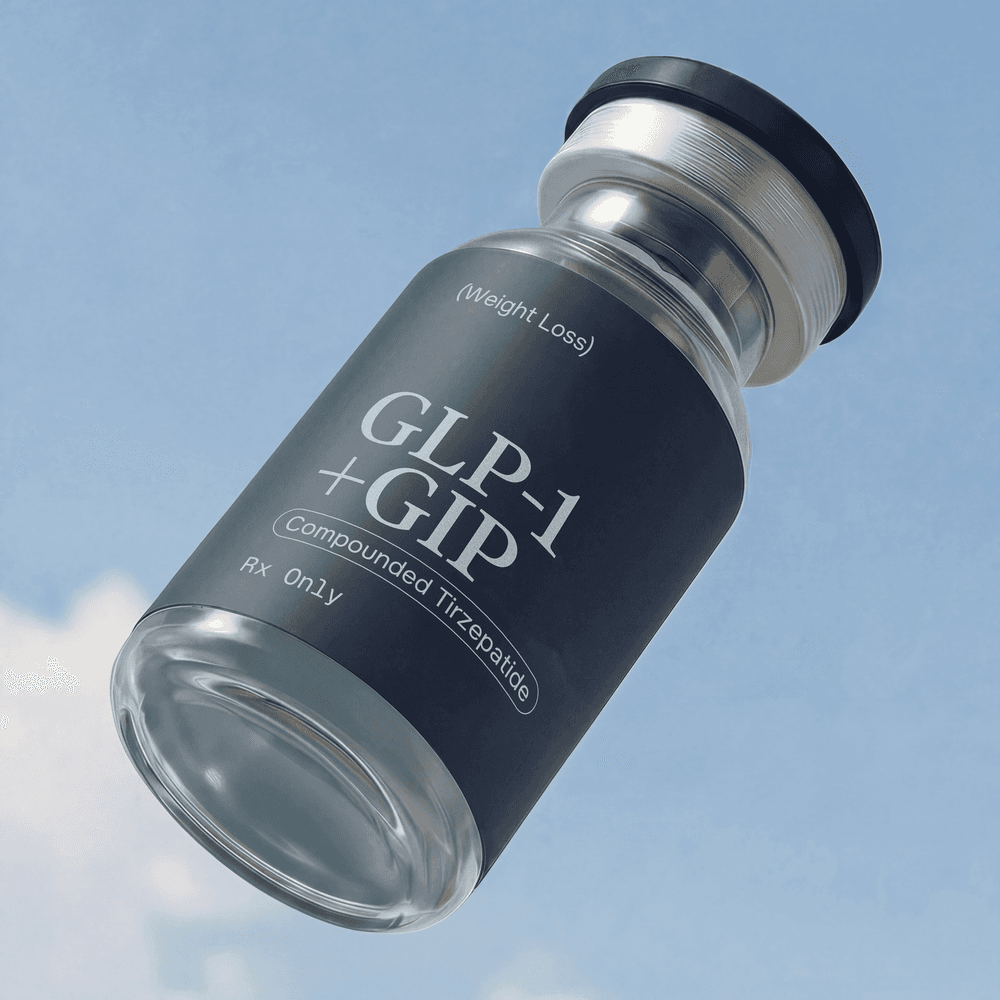
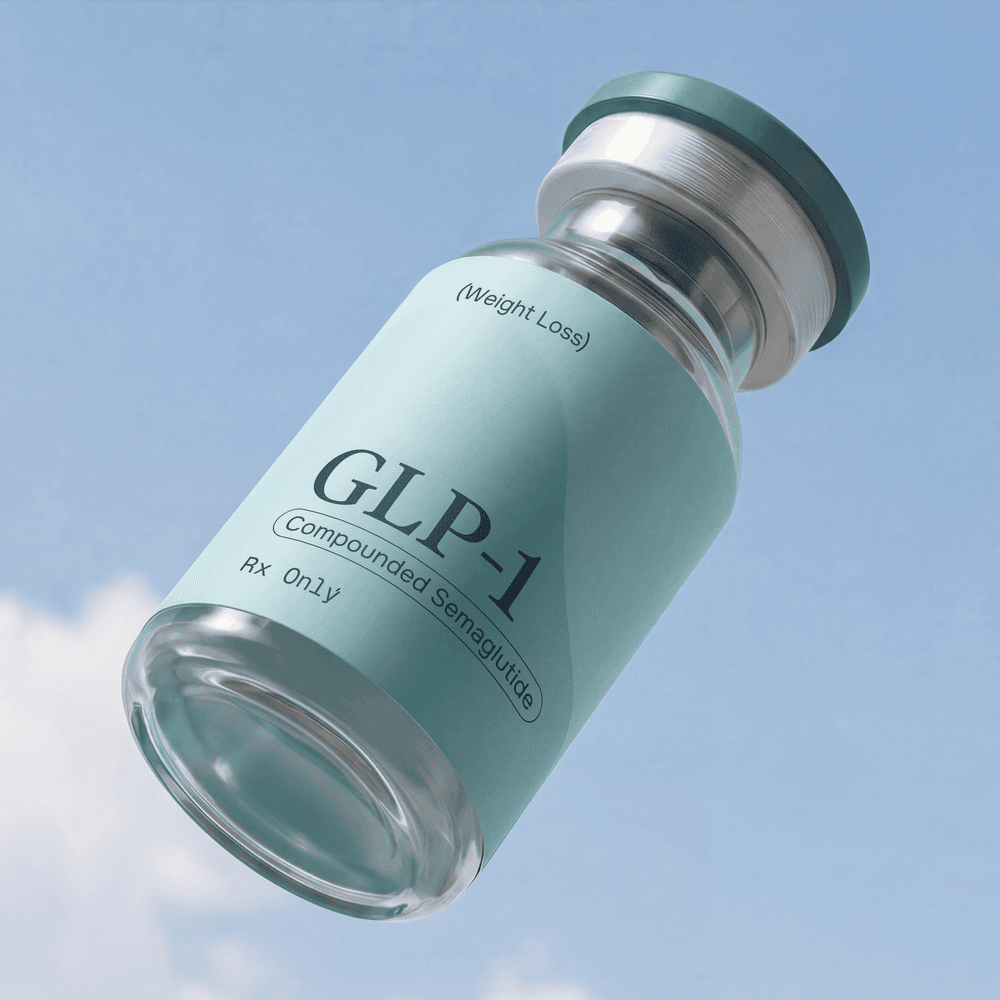
Weekly injection, compounded via Harbor

  • Active drugSemaglutide or tirzepatide
  • How it is takenInjection, once a week
  • FDA statusBrands approved, compounded is not
  • Through HarborFrom $99/mo, flat

GLP-1 patches

Over-the-counter skin patch

0Key figureFDA-approved GLP-1 patches on Drugs@FDA

  • Active drugNone listed, only plant and nutrient blends
  • How it is takenStuck on the skin
  • FDA statusNot approved
  • Through HarborNot an Harbor program

The verdict: GLP-1 shots contain an actual GLP-1 drug, with large trials behind the brand versions. Harbor's weekly compounded semaglutide starts at $99 a month and is not FDA approved. GLP-1 patches list no GLP-1 drug on the label and have no randomized trial behind them.

GLP-1 patches vs GLP-1 shots verdict

GLP-1 patches list no GLP-1 drug. A 2026 review of 25 such products found labels listing plant and nutrient ingredients, most often berberine, glutamine, cinnamon and pomegranate, with no lab analysis posted for any of them (Annals of Pharmacotherapy, 2026). FDA has approved no GLP-1 patch.

GLP-1 shots contain the drug itself. In STEP 1, adults on weekly brand semaglutide 2.4 mg lost an average of 14.9% of their body weight over 68 weeks, against 2.4% on placebo (NEJM, 2021). Harbor's weekly semaglutide is compounded and not FDA approved, starts at $99 a month, and begins with a physician review. A patch costs less and needs no needle. Those are its only advantages.

GLP-1 patch vs injection at a glance

Searches for "glp 1 patch" and "glp 1 patch vs injection" often come from people who want the drug without the needle. An over-the-counter patch cannot offer that, because no GLP-1 drug is listed on its label.

From Drugs@FDA, the Wegovy and Zepbound prescribing information, STEP 1, SURMOUNT-1, a 2026 review of 25 patch products and NBC Connecticut (2025). Trial results come from brand drugs. Compounded semaglutide and tirzepatide are not FDA approved.
AttributeGLP-1 shotsGLP-1 patches
Active ingredientSemaglutide or tirzepatide, a GLP-1 drugContains the drugPlant and nutrient ingredients, about 7 per product
How you use itInjection under the skin, once a weekStuck on the skin, on the seller's schedule
NeedleYes, a small needleNoneNo needle
Weight-loss trials−14.9% at 68 weeks (brand Wegovy 2.4 mg), −20.9% at 72 weeks (brand Zepbound 15 mg)Large trialsNo randomized trial of an over-the-counter patch
FDA statusBrand Wegovy and Zepbound approved. Compounded versions are not FDA approvedApproved versions existNo GLP-1 patch is FDA approved
Who makes itAn FDA-approved drug maker, or a licensed U.S. pharmacy for compounded versionsLicensed makersOnline sellers, with no lab analysis posted for 25 products reviewed
Clinician reviewA physician reviews your history firstFit checked firstNone
How you buy itPrescription after a physician reviewOnline, with no prescriptionEasier to buy
Price$99 a month for compounded semaglutide through Harbor, flat as the dose risesCan cost less than $1 a patchLower sticker price

Scroll the table sideways to see both columns →

GLP-1 patches vs GLP-1 shots side by side

A GLP-1 patch and a GLP-1 shot share a name and little else.

What is actually in a GLP-1 patch

Researchers at the University of Connecticut School of Pharmacy identified 24 patches and 1 gel sold as natural GLP-1 products, with an average of 7 listed ingredients each. Berberine, glutamine or glutamate, cinnamon and pomegranate appeared most often. None posted a certificate of analysis, the lab report that confirms what a product contains, and many left off the FDA disclaimer that supplement label claims require.

In March 2026, FDA sent an FDA warning letter on a patch to an online seller of a microneedle patch marketed for weight loss. The listing described "a blend of fat-burning ingredients (such as caffeine, green tea extract, or other thermogenic compounds)" and named type 2 diabetes treatment, weight loss and cardiovascular protection as its uses. FDA based the letter on that labeling and called the product an unapproved new drug. The letter does not say the patch contains a GLP-1 drug, and it reports no lab test of what is inside.

There is no Ozempic patch either. Ozempic is semaglutide, sold as a weekly pen and as tablets, and Drugs@FDA lists no skin form of it.

How each one works in the body

Semaglutide is a GLP-1 analogue with 94% sequence homology to human GLP-1. It binds the GLP-1 receptor, which helps regulate appetite and food intake, and its half-life of about a week allows once-weekly dosing (Wegovy prescribing information). Tirzepatide acts on both the GIP and GLP-1 receptors, with a half-life of about 5 days (Zepbound prescribing information).

A patch has to get through skin first. The outer skin layer keeps out most large molecules, and a 2000 dermatology review found every drug then used in transdermal delivery weighed under 500 daltons (Bos and Meinardi, 2000). Semaglutide weighs about 4,114 daltons and tirzepatide about 4,814, more than eight times that limit.

Berberine, at about 336 daltons, is small enough that size alone does not rule it out. What is missing is a human trial showing a patch delivers it into the blood or changes weight. True semaglutide microneedle patches, which push the drug past the outer skin layer, are in testing, but the work is early: research in rats, and a Phase 1 study in people that started in June 2026 and is still recruiting (ClinicalTrials.gov NCT07673900).

What the evidence shows

STEP 1, the source of that 14.9% figure, enrolled 1,961 adults without diabetes for 68 weeks. In SURMOUNT-1, 2,539 adults on brand tirzepatide lost 15.0% to 20.9% by dose over 72 weeks, against 3.1% on placebo (NEJM, 2022). The drug makers funded both trials, which tested brand products, not compounded semaglutide or tirzepatide.

PubMed lists no randomized trial of an over-the-counter GLP-1 or berberine patch for weight loss. The closest evidence is for berberine swallowed as a supplement, where a 2020 meta-analysis of 12 randomized trials found an average of 2.07 kg more weight lost than with control (Clin Nutr ESPEN, 2020). For the full comparison, see berberine vs Ozempic explained.

Prescription & FDA status

Drugs@FDA lists every approved GLP-1 medicine, from semaglutide and tirzepatide to liraglutide, dulaglutide and orforglipron, as an injection or a tablet, and each needs a prescription (Drugs@FDA). None is a patch.

Patches are often marketed as supplements, which FDA does not approve before sale, but they do not fit that category either. FDA says dietary supplements "must be swallowed," so topical products are not supplements (FDA).

Compounded semaglutide and tirzepatide are not FDA approved, and FDA does not review compounded drugs for safety, effectiveness or quality before they are marketed (FDA). FDA declared the tirzepatide shortage resolved in December 2024 and the semaglutide shortage in February 2025, and the grace periods for compounders ended in 2025 (FDA).

Cost per month

Patches look cheap. NBC Connecticut reported in September 2025 that they can cost less than $1 a patch (NBC Connecticut), a price that buys no posted lab analysis and no trial.

Harbor lists compounded semaglutide from $99 a month and compounded tirzepatide from $149 a month. Neither is FDA approved. Each price covers medication, clinician care and check-ins and does not rise with your dose. The explainer on why compounded medications cost less covers why compounded prices sit below brand list prices.

Who should choose a patch or GLP-1 shots

GLP 1 shots are the option when you want a medicine that acts on the GLP-1 receptor. A retail patch is not a GLP 1 injection in another form.

Harbor compounded semaglutide is a weekly shot at a flat monthly price, and it is not FDA approved. A board-certified physician reviews your health history first, and if it is not the right fit, you are not charged.

A weekly shot may suit you when:

  • You want a medicine with large weight trials behind its molecule
  • Your BMI is 30 or higher, or 27 or higher with a weight-related condition, and you want a medically supervised plan
  • You want a clinician to set and adjust your dose
  • One small injection a week fits your routine

A patch may appeal to you only when:

  • Avoiding a needle matters more to you than any proven effect
  • You accept that no lab report or trial shows what the patch contains or does

To see whether a prescription fits, you can start GLP-1 shots with Harbor by taking a short eligibility quiz.

The Wegovy and Zepbound labels rule out these drugs for anyone with a personal or family history of medullary thyroid carcinoma or MEN 2, and say to stop them when pregnancy is recognized in people using them for weight loss. A clinician checks these before prescribing. For anything else, message your Harbor clinician.

Bottom line on GLP-1 patch reviews

Online GLP-1 patch reviews cannot answer the question most buyers have. Star ratings and testimonials do not show what is inside a patch, whether anything crosses the skin, or how much weight people would have lost without it. The 2026 review found 1- and 2-star ratings on several products, with comments suggesting the patches did not work. The warning letter quoted a listing that posted "user survey" results above 97% for each claimed use, and FDA still called that patch an unapproved new drug.

A GLP-1 shot is judged by placebo-controlled trials instead. Compounded shots are not FDA approved, and a physician decides whether one fits you.

This article is for general education and is not medical advice. It is not a substitute for evaluation, diagnosis, or treatment by a licensed clinician. Talk with a qualified clinician about your individual situation.

Harbor is a technology platform. Medical evaluations are conducted by independent, licensed healthcare providers who determine whether treatment is appropriate. Providers may prescribe FDA-approved or compounded medications based on clinical judgment and patient needs. Compounded medications are not FDA approved and are not reviewed by the FDA for safety or effectiveness.

Frequently asked questions

No evidence shows that they do. The answer to "do glp 1 patches work" starts with the label: patches reviewed in 2026 listed no GLP-1 drug, and PubMed lists no randomized trial showing one causes weight loss.

Not as GLP-1 treatment. On "are glp 1 patches legit," the FDA record is clear: no GLP-1 patch is approved, topical products cannot be sold as dietary supplements, and in 2026 FDA warned one seller that its weight patch was an unapproved new drug.

No. Ozempic contains semaglutide, a prescription GLP-1 drug approved for type 2 diabetes and sold as a weekly pen and as tablets. A berberine patch contains berberine, a plant compound studied mostly as a swallowed supplement, and NCCIH says even those studies allow no clear conclusions on blood sugar (NCCIH). Unlike GLP-1 patches, Ozempic went through FDA review before sale.

Sources

  1. White CM, Tai Z, Nuzi K. Transdermal "Natural GLP-1" Dietary Supplements Violate Law and Place Patients at Risk. Ann Pharmacother. 2026;60(8):813-816.
  2. U.S. Food and Drug Administration. Warning letter, MARCS-CMS 722215 (March 31, 2026).
  3. U.S. Food and Drug Administration. Drugs@FDA: FDA-approved drugs (searched November 3, 2026).
  4. U.S. Food and Drug Administration. Questions and answers on dietary supplements (content current as of August 27, 2026).
  5. U.S. Food and Drug Administration. FDA's concerns with unapproved GLP-1 drugs used for weight loss (content current as of October 1, 2026).
  6. U.S. Food and Drug Administration. FDA clarifies policies for compounders as national GLP-1 supply begins to stabilize (updated April 1, 2026).
  7. Wilding JPH, et al. Once-Weekly Semaglutide in Adults with Overweight or Obesity (STEP 1). N Engl J Med. 2021;384:989-1002.
  8. Jastreboff AM, et al. Tirzepatide Once Weekly for the Treatment of Obesity (SURMOUNT-1). N Engl J Med. 2022;387:205-216.
  9. DailyMed. Wegovy (semaglutide) injection and tablets, prescribing information (revised June 2026).
  10. DailyMed. Zepbound (tirzepatide) injection, prescribing information (revised August 2026).
  11. Bos JD, Meinardi MM. The 500 Dalton rule for the skin penetration of chemical compounds and drugs. Exp Dermatol. 2000;9(3):165-169.
  12. ClinicalTrials.gov. Phase 1 study of semaglutide given by microneedle array patch vs subcutaneous injection (NCT07673900).
  13. Asbaghi O, et al. The effect of berberine supplementation on obesity parameters, inflammation and liver function enzymes: a systematic review and meta-analysis. Clin Nutr ESPEN. 2020;38:43-49.
  14. National Center for Complementary and Integrative Health. Diabetes and dietary supplements: what you need to know.
  15. NBC Connecticut. Experts raise concerns about GLP-1 patches (September 26, 2025).