
Harbor is now
Start for $99No results? No chargeSame-day approvalNo price increases — everBuy now, pay later

Berberine vs Ozempic: Why "Nature's Ozempic" Is Not the Same Thing

Social media calls berberine "nature's Ozempic." It is a plant compound sold as a supplement, and it does not work like semaglutide. Here is what the evidence shows for weight and blood sugar.

Clinically reviewed
Medically reviewed by Harbor Health TeamMedical Content Team6 min read

At a glance

Meta-analyses of berberine trials and FDA labels, not a head-to-head comparison

Berberine

Plant compound, dietary supplement

−2.1 kgKey numberWeight vs control, largest pooled result

  • Regulated asDietary supplement
  • FDA review before saleNo
  • GLP-1 receptor agonistNo
  • Through HarborNot offered
Proven effect
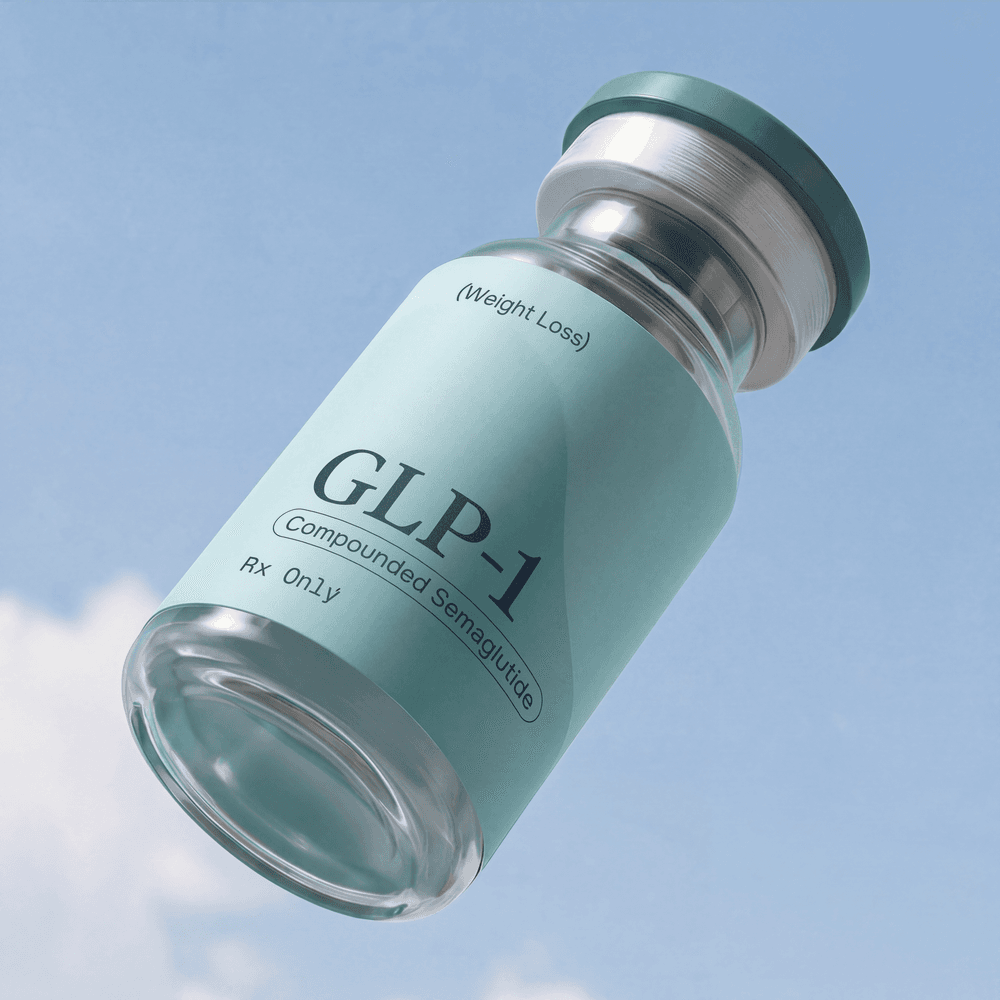
Compounded semaglutide vial

Semaglutide

GLP-1, sold as Ozempic and Wegovy

  • Regulated asPrescription drug
  • FDA review before saleYes (Ozempic, Wegovy)
  • GLP-1 receptor agonistYes
  • Through HarborFrom $99 /mo, compounded

The verdict: Berberine has modest evidence for blood sugar and small, inconsistent evidence for weight. Semaglutide is FDA-approved, with large trials behind it. Harbor prescribes compounded semaglutide, which is not itself an FDA-approved product.

Berberine vs Ozempic verdict

The "nature's Ozempic" label does not hold up. Searches for "natures Ozempic" lead to berberine, a plant compound from barberry, goldenseal and goldthread, sold as a dietary supplement. It is not a GLP-1 receptor agonist, and it does not act the way semaglutide, the drug in Ozempic and Wegovy, acts.

The evidence gap is wide. Pooled berberine studies show about 1 to 2 kg more weight loss than control, and two meta-analyses found no significant change. In STEP 1, adults on Wegovy-strength semaglutide lost 15.3 kg over 68 weeks, against 2.6 kg on placebo.

Berberine vs semaglutide side by side

Berberine weight loss claims rest on a handful of small trials. Semaglutide's rest on large, long, placebo-controlled ones, which is why berberine for weight loss is the far weaker bet.

How berberine & semaglutide work

Semaglutide is a GLP-1 receptor agonist. It acts on the receptor for a gut hormone that signals fullness, slows stomach emptying and helps the pancreas release insulin when blood sugar is high, as our guide to how semaglutide works for weight loss explains.

Answers to "how does berberine help with weight loss" lean on lab and animal work suggesting it activates AMPK, an energy sensor inside cells, and raised the body's own GLP-1 release in rat and cell studies. No human trial has shown that rise. Berberine is also poorly absorbed, with less than 1% reaching the bloodstream in rodent studies.

Weight loss evidence

The berberine weight loss evidence is mixed. A 2020 meta-analysis of 12 trials found 2.07 kg more weight loss than control, a 2026 analysis of 23 studies found 0.88 kg, and two other 2020 meta-analyses found no significant change. Reviewers flag weak reporting, little blinding and untested product purity or strength.

Semaglutide's weight data come from STEP 1, which followed 1,961 adults for 68 weeks: 14.9% of body weight lost on semaglutide 2.4 mg, against 2.4% on placebo (Wegovy prescribing information).

Blood sugar effects

Blood sugar is berberine's strongest case. A 2022 meta-analysis of 37 trials with 3,048 people with type 2 diabetes found berberine lowered A1C by 0.63 points and fasting glucose by 0.82 mmol/L versus control (berberine glucose-lowering meta-analysis). Nearly all were run in China, most lasted three months or less, and the authors rated the certainty as moderate. On berberine vs metformin, a 2008 pilot trial of 36 adults with new type 2 diabetes found similar blood sugar drops over 13 weeks.

Ozempic lowered A1C by 1.4 to 1.6 points against 0.1 on placebo over 30 weeks in its own trial, and carries proven heart and kidney benefits for people with diabetes.

Berberine has side effects of its own. In the 2008 trial, 34.5% of people had gas, diarrhea or constipation, and about a quarter needed a lower dose. NCCIH lists mild to moderate nausea, diarrhea, bloating and constipation, from studies that used 200 to 1,000 mg two to three times a day.

Regulation & quality control

Under federal law, FDA does not approve dietary supplements for safety or effectiveness before sale. Quality varies. A 2023 French laboratory test of 18 berberine supplements found only 56% contained the labeled amount, and NCCIH warns that some goldenseal products contain other herbs instead of, or alongside, what the label lists.

Ozempic and Wegovy went through FDA review for safety and effectiveness before sale. Compounded semaglutide, including Harbor's, is prepared by a licensed U.S. pharmacy for an individual patient and is not FDA-approved, and FDA does not review compounded drugs for safety, effectiveness or quality before they reach patients.

From NCCIH, FDA, published meta-analyses and the Ozempic and Wegovy labels, not a head-to-head comparison. Berberine weight figures are pooled differences against control. Harbor's semaglutide is compounded and not FDA-approved.
AttributeBerberineSemaglutide
What it isPlant alkaloid sold as a supplementPrescription GLP-1 receptor agonist
FDA review before saleNone; supplements are not approvedOzempic and Wegovy are FDA-approved Reviewed
Weight changeAbout 1 to 2 kg vs control in two meta-analyses; no change in two others15.3 kg vs 2.6 kg on placebo at 68 weeks (STEP 1) Larger
A1C change−0.63 points vs control (37 trials)−1.4 to −1.6 points vs −0.1 placebo (SUSTAIN 1) Larger
How it is takenOral supplement, two or three times a day in studiesWeekly injection, or a daily tablet
Common side effectsNausea, diarrhea, bloating, constipationNausea, vomiting, diarrhea, constipation
Key cautionsNot for pregnancy, breastfeeding or infants; many drug interactionsBoxed warning for thyroid C-cell tumors seen in rodents

Scroll the table sideways to see both columns →

Who should choose berberine or semaglutide

On "is berberine good for weight loss," current evidence says not for meaningful weight loss. NCCIH says the studies suggest berberine might help blood sugar control but allow no clear conclusion, and FDA warns against products that claim to replace diabetes medicine.

Talk with your clinician before trying berberine, especially if you take prescription medicine, and do not use it in pregnancy or breastfeeding or give it to infants. Interactions are the bigger concern: in healthy volunteers, two weeks of berberine slowed three liver enzymes that clear many common drugs (Eur J Clin Pharmacol, 2012).

NCCIH reports that goldenseal, a berberine-containing herb, lowered metformin levels by about 25%, enough to weaken blood sugar control.

Harbor's clinicians can review whether compounded semaglutide injections fit your history and weight goals. A physician reviews your intake first, and if it is not the right fit, it is not prescribed.

Shakiness, sweating, confusion or a racing heartbeat can signal low blood sugar, especially on insulin or a sulfonylurea, and severe stomach pain that will not go away on semaglutide needs urgent care. For anything else, message your Harbor clinician.

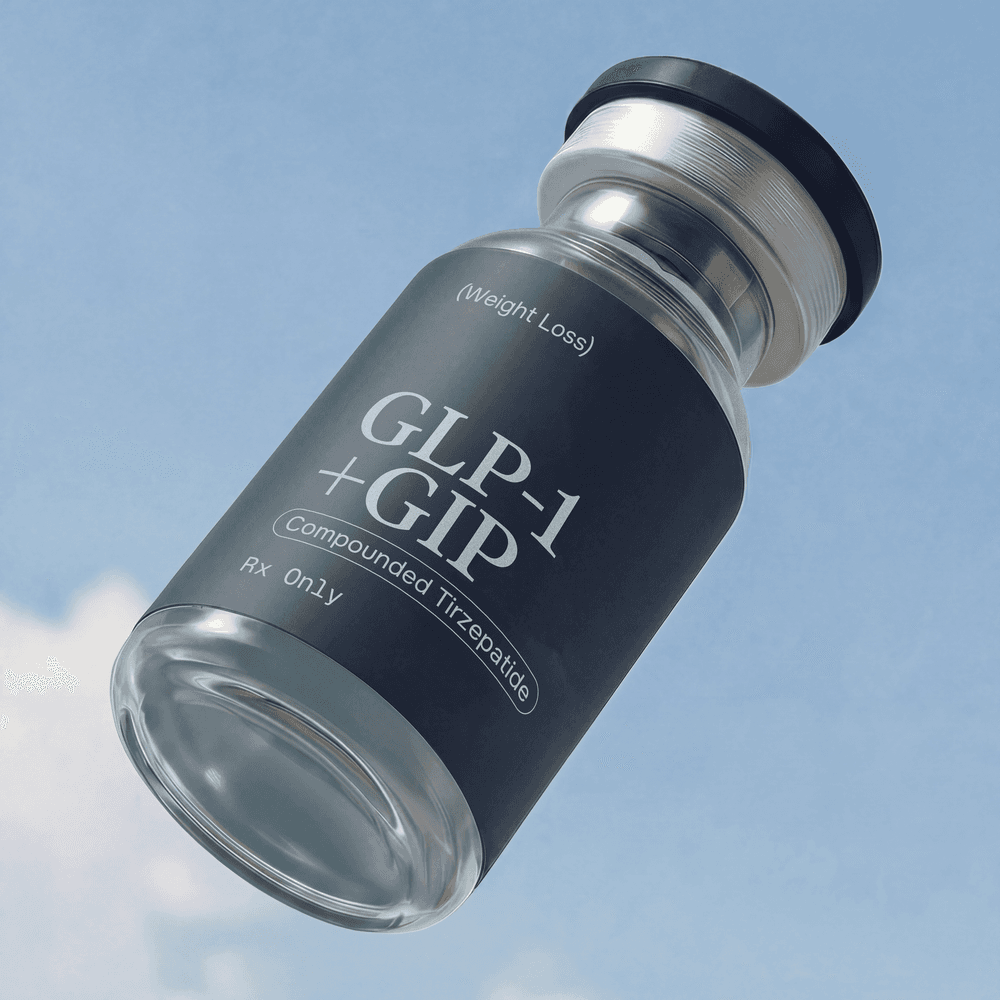
Tirzepatide vial
Weight lossTirzepatide

Dual-action GLP‑1/GIP for faster results

From
$149/mo
Taken
Once-weekly injection
Type
Dual GLP‑1/GIP agonist
Learn more

Bottom line on berberine vs Ozempic

On "does berberine work for weight loss," the answer is a little, at best, and the studies disagree. Berberine's blood sugar effect is modest and better supported, yet it remains a supplement sold without FDA review and with real drug interactions, not a cheaper GLP-1 drug. Semaglutide has its own cautions, including a boxed warning for thyroid C-cell tumors seen in rodents, and needs a prescriber who knows your history.

If cost draws you to berberine, compounded medicine is the other route people consider, and our explainer on why compounded medications cost less covers the trade-offs, including that compounded drugs are not FDA-approved.

This article is for general education and is not medical advice. It is not a substitute for evaluation, diagnosis, or treatment by a licensed clinician. Talk with a qualified clinician about your individual situation.

Harbor is a technology platform. Medical evaluations are conducted by independent, licensed healthcare providers who decide whether treatment is appropriate. Compounded medications are prepared by licensed U.S. pharmacies for individual patients and are not reviewed by the FDA for safety or effectiveness.

Frequently asked questions

The nickname "nature's Ozempic" took off on social media, where berberine was promoted as a cheap, natural stand-in for GLP-1 drugs. A 2026 review notes the label has driven a wave of unsupervised use, even though berberine is not a GLP-1 receptor agonist and its weight effect is far smaller.

Possibly a little. On "does berberine help with weight loss," pooled trials range from no significant change to about 2 kg more than control, from small, short and often poorly reported studies.

No study has tested the two together, so the answer to "can you take berberine with Ozempic" belongs to your prescriber. Both lower blood sugar, which raises the risk of a low if you also take insulin or a sulfonylurea, and both can upset the stomach. Treat berberine vs Ozempic as one or the other, and do not combine them without your clinician's input.

Sources

  1. National Center for Complementary and Integrative Health. Diabetes and dietary supplements: what you need to know (updated November 2023).
  2. National Center for Complementary and Integrative Health. Goldenseal (updated February 2025).
  3. U.S. Food and Drug Administration. Questions and answers on dietary supplements (content current as of August 27, 2026).
  4. Xie W, et al. Glucose-lowering effect of berberine on type 2 diabetes: a systematic review and meta-analysis. Front Pharmacol. 2022;13:1015045.
  5. Asbaghi O, et al. The effect of berberine supplementation on obesity parameters, inflammation and liver function enzymes: A systematic review and meta-analysis of randomized controlled trials. Clin Nutr ESPEN. 2020;38:43-49.
  6. Elahi Vahed I, et al. The effect of berberine on obesity indices: a systematic review and meta-analysis. Int J Obes (Lond). 2026;50:53-73.
  7. Xiong P, et al. The effect of berberine supplementation on obesity indices: A dose- response meta-analysis and systematic review of randomized controlled trials. Complement Ther Clin Pract. 2020;39:101113.
  8. Amini MR, et al. Effects of berberine and barberry on anthropometric measures: A systematic review and meta-analysis of randomized controlled trials. Complement Ther Med. 2020;49:102337.
  9. Yin J, Xing H, Ye J. Efficacy of berberine in patients with type 2 diabetes mellitus. Metabolism. 2008;57:712-717.
  10. Danoun S, et al. Quality evaluation of berberine food supplements with high-field and compact (1)H NMR spectrometers. J Pharm Biomed Anal. 2023;223:115161.
  11. Dumitru CN, et al. Berberine-drug interactions: mechanisms, clinical relevance and risk stratification. Pharmaceuticals. 2026;19:1313.
  12. Guo Y, et al. Repeated administration of berberine inhibits cytochromes P450 in humans. Eur J Clin Pharmacol. 2012;68:213-217.
  13. DailyMed. Ozempic (semaglutide) injection, prescribing information (June 2026).
  14. DailyMed. Wegovy (semaglutide) injection and tablets, prescribing information (June 2026).
  15. Wilding JPH, et al. Once-Weekly Semaglutide in Adults with Overweight or Obesity. N Engl J Med. 2021;384:989-1002.