

Start for $99No results? No chargeSame-day approvalNo price increases — everBuy now, pay later

Compounded Semaglutide vs Ozempic and Wegovy: Same Molecule, Very Different Price

They share an active ingredient and very little else: regulatory status, trial evidence, delivery and price all differ. Here is the honest comparison, and how to decide which one fits your situation.

Clinically reviewed
Medically reviewed by Harbor Health TeamMedical Content Team8 min read

At a glance

FDA status, evidence and cash price, September 2026

Ozempic / Wegovy

FDA-approved brand semaglutide

$199/moMonthly pricebrand self-pay, and up

  • FDA approvalYes
  • Tested in STEP and SELECTYes
  • DeliveryPen or tablet
  • With insuranceAs low as $25
Lower monthly cost
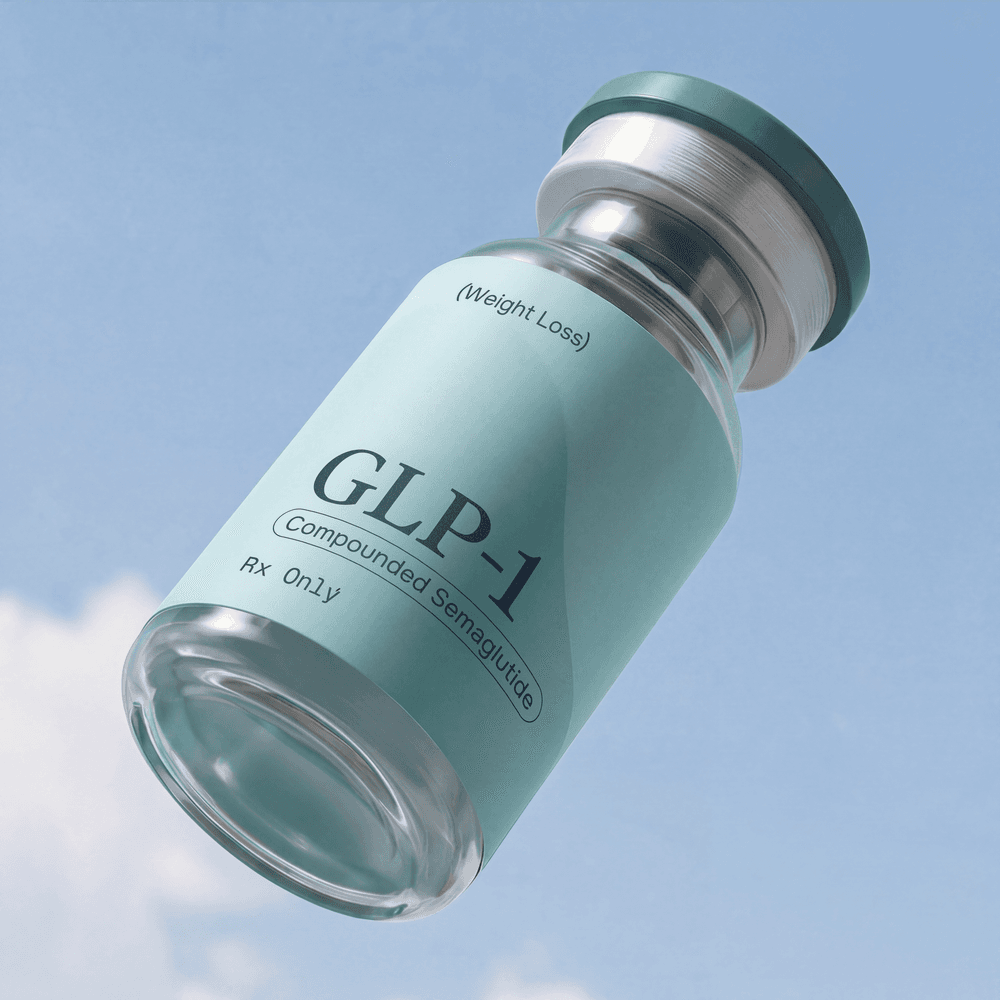
Compounded semaglutide vial

Compounded semaglutide

Prepared by a licensed 503A pharmacy

  • FDA approvalNo
  • Tested in STEP and SELECTSemaglutide
  • DeliveryVial and syringe
  • With insuranceFlat

The verdict: Brand semaglutide has the FDA approval and the trial evidence, and it is usually the better buy when insurance covers it. Compounded semaglutide costs less in cash and stays at one price as your dose rises. Which one fits is a decision to make with a clinician.

The short answer

If your insurance covers Ozempic or Wegovy, the brand is usually the better choice. It is FDA-approved, it is the product the clinical trials tested, and a covered prescription can cost as little as $25 a month.

If you are paying out of pocket, the picture changes. Wegovy pens start around $199 a month for starting doses under the manufacturer's savings offer and about $349 at maintenance doses, and TrumpRx lists Ozempic and Wegovy at $350, while compounded semaglutide through Harbor starts at a month and does not go up as your dose does.

What you give up with compounded semaglutide is the FDA approval and the direct trial evidence. What you keep is the active ingredient and, with the right program, a physician who adjusts your dose and a pharmacy that prepares it for you. The rest of this article is the detail behind that trade.

Same active ingredient, not the same product

Ozempic, Wegovy and compounded semaglutide all contain semaglutide, a GLP-1 receptor agonist that slows stomach emptying, quiets appetite signals and improves how the pancreas releases insulin. That is where the overlap ends.

Ozempic and Wegovy are finished products made by one manufacturer, tested in large trials and approved by the FDA for specific uses. Ozempic is approved for adults with type 2 diabetes, including cardiovascular and kidney risk reduction in that group; weight loss is off-label. Wegovy is approved for chronic weight management, for reducing major cardiovascular events in adults with heart disease and overweight or obesity, and, under accelerated approval, for a form of fatty liver disease with fibrosis.

Compounded semaglutide is prepared by a licensed pharmacy for one patient, on one prescription. The FDA is plain about what that means: compounded drugs are not FDA-approved, and the agency does not verify their safety, effectiveness or quality before they reach patients.

The FDA lists a company that claims a compounded drug is the same as an FDA-approved drug as a warning sign. We agree. Compounded semaglutide shares an active ingredient with Ozempic and Wegovy. It is not the same product, and a provider who says otherwise is contradicting the FDA.

What the research does and does not cover

The results people quote for semaglutide come from the brand products. In the STEP 1 trial, adults with obesity on Wegovy-strength semaglutide 2.4 mg lost 14.9% of body weight on average over 68 weeks, against 2.4% on placebo. The SELECT trial found a 20% lower risk of major cardiovascular events in adults with heart disease and overweight or obesity.

No trial of that size has tested a compounded semaglutide product. When a compounded preparation contains the right form of semaglutide at the stated strength, and is dosed correctly, it contains the same active ingredient the brand does, but no trial has measured how a compounded preparation performs. Quality rests on the pharmacy doing its job, which is why the questions later in this article matter.

Dosing is the other gap. The FDA has received reports of adverse events, some needing hospital care, linked to measuring errors with compounded injectable semaglutide, where patients drew the wrong number of units from a vial. A prefilled pen removes most of that risk; a vial asks you to read a syringe correctly every week.

Side by side

Sources: FDA labels on DailyMed, STEP 1 and SELECT (NEJM), FDA compounding guidance, and Healthline's Wegovy cost guide (May 2026). Harbor pricing is the published starting price and varies by plan.
AttributeOzempic / WegovyCompounded semaglutide
Active ingredientSemaglutideSemaglutide (ask which form)
FDA approvalFDA-approved products FDA-approvedNot FDA-approved
Clinical trial evidenceSTEP 1, SELECT and others Trial-testedRelies on brand data
Approved usesWeight, heart risk, T2D (by brand) On-labelPrescribed on clinical judgment
DeliveryPrefilled pen, or Wegovy tablet Simpler dosingMulti-dose vial and syringe
Cash priceAbout $199/mo at starting doses, about $349 at maintenanceFrom /mo at Harbor Lower cash price
Price as dose risesRises in self-pay programsFlat at Harbor Flat pricing
With insuranceAs low as $25/mo if covered If coveredNot billed to insurance
Ongoing clinical supportDepends on your prescriber24/7 licensed clinicians at Harbor Always on

Scroll the table sideways to see both columns →

How compounding is regulated in 2026

During the national shortage, pharmacies had wide room to compound semaglutide. That period is over: the FDA declared the semaglutide shortage resolved on February 21, 2025, and semaglutide is no longer on the shortage list.

What remains is traditional patient-specific compounding under section 503A, where a licensed pharmacy prepares a medication for an individual patient on a prescription. The FDA has said it will treat a compounded product as essentially a copy of a commercially available drug unless there is a documented clinical difference for that patient, and it has proposed excluding semaglutide from the list that lets larger outsourcing facilities compound it from bulk ingredients.

In practice, that puts the weight on the prescriber and the pharmacy. A legitimate program has a licensed physician review your history, document why a compounded preparation fits you, and send the prescription to a licensed pharmacy that prepares it for you by name.

Four questions to ask any provider

  • Is the semaglutide the base form used in the approved drugs? The FDA warns that salt forms such as semaglutide sodium and semaglutide acetate are different active ingredients and should not be used.
  • Which licensed pharmacy prepares it, and is that pharmacy in good standing with its state board?
  • What is the concentration in the vial, in milligrams per milliliter, and how many units is my dose?
  • Who is my prescribing clinician, and how quickly can I reach them if something feels wrong?

What each one costs in 2026

Brand semaglutide got cheaper for cash buyers over the past year. A White House agreement announced in November 2025 set Ozempic and Wegovy at $350 a month through TrumpRx, down from list prices near $1,000 and $1,350. By May 2026, Healthline reported Wegovy pens starting at $199 a month without insurance through the manufacturer's savings offer, the tablet at $149, and higher prices at higher doses.

At Harbor, compounded semaglutide starts at a month with no membership fee, and the price does not change as your dose climbs. Over a year of titration, the flat price matters more than the starting number. Self-pay brand pricing rises at the maintenance doses most people reach.

If your plan covers Ozempic or Wegovy, run that number first. A covered brand prescription can be the cheapest option of all, and it comes with everything the FDA approval carries.

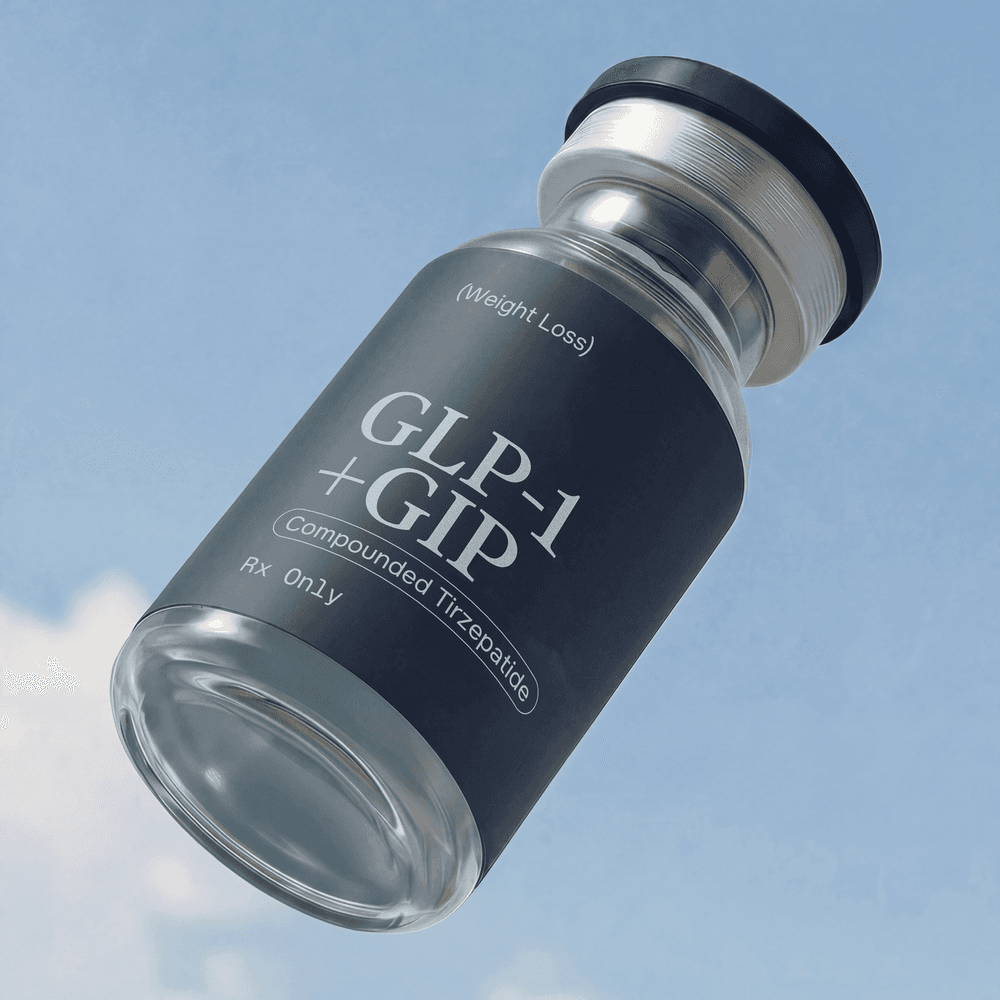
Tirzepatide vial
Weight lossTirzepatide

Dual-action GLP‑1/GIP for faster results

From
$149/mo
Taken
Once-weekly injection
Type
Dual GLP‑1/GIP agonist
Learn more

How Harbor clinicians choose

Our clinicians are not choosing between a good product and a bad one. They are matching a patient to the path that fits their coverage, history and budget, and the choice can change. For the medication decision itself, see our framework for choosing a GLP-1 and our semaglutide and tirzepatide comparison.

The brand path makes more sense when

  • Your insurance covers Ozempic or Wegovy at a reasonable copay
  • You have established heart disease and want the product tested in SELECT
  • You would rather use a prefilled pen or a tablet than draw doses from a vial
  • You want the regulatory certainty of an FDA-approved product

Compounded semaglutide makes more sense when

  • You are paying out of pocket and brand self-pay prices do not fit over a full year
  • Your prescriber documents a clinical reason a compounded preparation suits you
  • You are comfortable measuring doses from a vial with clear written instructions
  • You want flat pricing and ongoing clinician access as your dose changes

Message us instead of guessing

Severe abdominal pain that spreads to your back, vomiting that stops you keeping fluids down, or swelling of your face or throat means stop and seek care now. Everything else on this page is a message to your Harbor clinician, including any question about your units before you inject.

This article is for general education and is not medical advice. It is not a substitute for evaluation, diagnosis, or treatment by a licensed clinician. Talk with a qualified clinician about your individual situation.

Harbor is a technology platform. Medical evaluations are conducted by independent, licensed healthcare providers who decide whether treatment is appropriate. Compounded medications are prepared by licensed U.S. pharmacies for individual patients and are not reviewed by the FDA for safety or effectiveness.

Frequently asked questions

No. It contains the same active ingredient, semaglutide, but it is not the same product. Ozempic is an FDA-approved medication made to the manufacturer's approved specifications. Compounded semaglutide is prepared by a licensed pharmacy for an individual patient and is not FDA-approved. The FDA lists claims that a compounded drug is the same as an approved drug as a warning sign.

The trial results belong to Wegovy; no large trial has tested a compounded product. A correctly prepared compounded medication that contains the right form of semaglutide at the right strength contains the same active ingredient, but no trial has measured how a compounded preparation performs, and quality depends on the pharmacy and on accurate dosing. Your clinician tracks your response and adjusts from there.

Yes, within limits. The shortage ended in February 2025, so compounding now happens under section 503A, where a licensed pharmacy prepares a medication for an individual patient on a prescription. The FDA restricts compounded products that are essentially copies of approved drugs unless a prescriber documents a clinical reason for that patient.

It skips the costs built into a brand product: the manufacturer's trials and approval, the branded autoinjector device and national distribution. A pharmacy prepares it per prescription from the active ingredient. The trade is that the FDA does not review compounded products for safety, effectiveness or quality before they are dispensed.

Yes, with your clinician. They look at your current dose, how long you have been on it and how you tolerate it, then write your compounded dose with the vial's concentration and the exact number of units to draw. Do not convert pen doses to units on your own.

Generally not. Harbor does not bill insurance for compounded programs, and the monthly price includes clinician access and refills. Harbor programs are HSA and FSA eligible. If your insurance covers a brand product, compare that copay first.

Sources

  1. U.S. Food and Drug Administration. FDA's concerns with unapproved GLP-1 drugs used for weight loss (content current as of September 1, 2026).
  2. U.S. Food and Drug Administration. Declaratory Order: Resolution of Shortages of Semaglutide Injection Products. February 21, 2025.
  3. U.S. Food and Drug Administration. FDA clarifies policies for compounders as national GLP-1 supply begins to stabilize (updated April 1, 2026).
  4. U.S. Food and Drug Administration. FDA proposes to exclude semaglutide, tirzepatide, and liraglutide on 503B bulks list (2026).
  5. U.S. Food and Drug Administration. Compounding and the FDA: Questions and Answers.
  6. Wegovy (semaglutide) prescribing information. DailyMed, National Library of Medicine.
  7. Ozempic (semaglutide) prescribing information. DailyMed, National Library of Medicine.
  8. Wilding JPH, et al. Once-Weekly Semaglutide in Adults with Overweight or Obesity (STEP 1). N Engl J Med. 2021.
  9. Lincoff AM, et al. Semaglutide and Cardiovascular Outcomes in Obesity without Diabetes (SELECT). N Engl J Med. 2023.
  10. The White House. Fact Sheet on most-favored-nation pricing for Ozempic and Wegovy. November 2025.
  11. Healthline. Wegovy cost: what to expect and how to save (updated May 13, 2026).