
Harbor is now
Start for $99No results? No chargeSame-day approvalNo price increases — everBuy now, pay later

Peptides for skin, from collagen to glutathione

Seven peptides for skin, from oral collagen to copper peptides and glutathione, graded by the human trials behind each one and by what the FDA does and does not review.

Clinically reviewed
Medically reviewed by Harbor Health TeamMedical Content Team9 min read

The top three

Three entries, three kinds of proof
Our pick

01  Collagen peptides

The most studied option, with a funding caveat

02  Copper peptides

Well studied in the lab, thin in people

3amino acids, bound to copper

03  Signal peptides like Matrixyl

The largest placebo-controlled topical trial here

93women in a 12-week split-face trial

None of the seven is FDA approved for skin. Collagen peptides are sold as supplements and topical peptides as cosmetics, and the FDA approves neither before sale. Compounded glutathione is not FDA approved either.

Peptides for skin at a glance

A peptide is a short chain of amino acids. The plain answer to what are peptides for skin is chains applied to the face in creams and serums, or swallowed as hydrolyzed collagen, to support collagen, firmness or fine lines.

Researchers sort topical peptides by purpose into signal, carrier, neurotransmitter and enzyme inhibitor groups. Collagen peptides and glutathione sit outside that scheme. One is sold as a supplement, and the other is an antioxidant your own cells make.

Groups follow Gorouhi and Maibach (2009) and Wang et al. (2026). Evidence is summarized from the trials cited in each entry.
PeptideExample (ingredient name)How it is usedHuman evidence
Collagen peptidesHydrolyzed collagenSwallowed, as a supplementMany trials, split by funding
Copper peptidesGHK-CuApplied to skinSmall cream studies
Signal peptidesPalmitoyl pentapeptide-4Applied to skinA placebo-controlled trial of 93 women
Neurotransmitter peptidesAcetyl hexapeptide-8Applied to skinMixed, small trials
Carrier peptidesGHK-Cu, manganese tripeptide-1Applied to skinSmall studies
Enzyme inhibitor peptidesVaries by productApplied to skinHard to judge, per reviews
GlutathioneGlutathioneOral, topical or injectedSmall trials, inconclusive

Glutathione is built from three amino acids, glutamate, cysteine and glycine. N-acetylcysteine (NAC) is a form of cysteine, one of those building blocks. For that pairing, see glutathione vs NAC compared.

Best peptides for skin & what each one does

There is no single best peptides for skin pick, because these seven do different jobs on unequal evidence. Collagen leads on trial count. Glutathione comes last because it works differently from the cosmetic peptides.

Topical peptides for skin are sold as cosmetic ingredients. Under FDA rules, a product that makes lines less noticeable by moisturizing is a cosmetic, while one intended to remove wrinkles or increase the skin's production of collagen is a drug. The FDA has said it is concerned about drug claims on anti-aging cosmetics.

01

Collagen peptides

Hydrolyzed collagen, taken by mouth

23randomized trials in a 2025 meta-analysis

Collagen peptides for skin are collagen broken into short fragments and sold as powders or capsules. They have the most randomized trials of any entry here, and the results depend on who paid for them. The authors of the 2025 review, in the American Journal of Medicine, concluded there is currently no clinical evidence to support collagen supplements to prevent or treat skin aging.

Where it wins

  • A 2021 meta-analysis of 19 trials and 1,125 people found better hydration, elasticity and wrinkles than placebo
  • Taken by mouth, with no needle
  • Pooled across all 23 trials in the 2025 review, results looked positive

What it costs you

  • A 2025 meta-analysis of 23 trials found no effect in studies without industry funding
  • Sold as a supplement, so the FDA does not approve it before sale
  • High-quality trials showed no significant effect

The most studied option, with a funding caveat

02

Copper peptides

GHK-Cu, applied to the skin

3amino acids, bound to copper

GHK-Cu is a three-amino-acid peptide that binds copper and occurs naturally in human blood. Human evidence for copper peptides for skin is a short list of small cream studies. Much of the literature comes from the group that discovered the peptide in 1973, which held commercial interests in the field for decades. A 2026 systematic review found that group's authors on roughly a third of the primary studies. For background, see this GHK-Cu copper peptide overview.

Where it wins

  • Found in human plasma, at about 200 ng/mL at age 20 and 80 ng/mL by 60
  • Cell and animal studies show effects on collagen and repair
  • Non-injectable GHK-Cu is under FDA evaluation for compounding

What it costs you

  • In a randomized study of 13 patients after laser resurfacing, objective ratings found no wrinkle benefit
  • The best-known cream results were presented at a 2002 meeting, not in peer-reviewed papers
  • FDA flagged injectable GHK-Cu for immunogenicity risk and limited human data

Well studied in the lab, thin in people

03

Signal peptides like Matrixyl

Palmitoyl pentapeptide-4, applied to the skin

93women in a 12-week split-face trial

Signal peptides copy fragments of the skin's own proteins and are thought to prompt fibroblasts to make more matrix. The best studied, and the ingredient behind the trade name in this heading, is palmitoyl pentapeptide-4. It is a piece of type I procollagen with a fatty acid attached that is expected to help it penetrate.

Where it wins

  • In a 12-week placebo-controlled trial of 93 women aged 35 to 55, it beat the same moisturizer without it on wrinkles and fine lines
  • Expert graders rated it better, and the women reported fewer fine lines
  • Used at very low concentrations, 3 ppm in that trial

What it costs you

  • The trial was run by researchers at a company that sells skin care
  • One positive trial, not an independently replicated finding
  • Sold as a cosmetic, so the FDA does not approve it before sale

The largest placebo-controlled topical trial here

04

Neurotransmitter peptides like Argireline

Acetyl hexapeptide-8, applied to the skin

4weeks in both recent controlled trials

These peptides are designed to quiet the signal that makes facial muscles contract. The best known, sold under the trade name in this heading, is acetyl hexapeptide-8, formerly acetyl hexapeptide-3. It is patterned on part of SNAP-25, a protein nerve cells use to release signals.

Where it wins

  • Its 2002 developers reported wrinkle depth down by up to 30% after 30 days with a 10% cream
  • A 2013 placebo-controlled trial of 60 people found less roughness around the eyes after 4 weeks
  • Tested around the eyes, where expression lines form

What it costs you

  • A 2023 split-face trial of 19 women found no significant difference from the same serum without it
  • In lab tests, its developers found it much less effective than botulinum toxin
  • A 2026 review found no direct evidence it reaches the nerve endings it targets

Plausible idea, mixed results

05

Carrier peptides

Peptides that deliver trace metals

2trace metals carried, copper and manganese

Carrier peptides bind trace elements such as copper and are thought to deliver them to the enzymes skin uses for repair. GHK-Cu is the classic example, and manganese tripeptide-1 is its manganese version.

Where it wins

  • Copper is a cofactor for lysyl oxidase enzymes, which cross-link new skin matrix
  • A 12-week serum study of manganese tripeptide-1 reported photodamage moving from moderate to mild
  • Builds on GHK, first described in 1973

What it costs you

  • That manganese study was small and reported no placebo group
  • How these peptides hand off metals inside human skin is not well characterized
  • Shares most of its evidence with copper peptides

A delivery idea more than a separate result

06

Enzyme inhibitor peptides

Peptides that slow skin-degrading enzymes

Topicalsold as a cosmetic ingredient

Enzyme inhibitor peptides are proposed to slow the enzymes that break down skin's structure, including matrix metalloproteinases, collagenase, elastase and hyaluronidase.

Where it wins

  • A clear target, the enzymes that degrade collagen, elastin and hyaluronic acid
  • Aims to protect the matrix you already have
  • Topical, with no injection

What it costs you

  • A 2026 review says the clinical efficacy of many cosmetic peptides is hard to judge
  • Results can differ from one formula to another
  • Large, independent human trials of cosmetic peptides are uncommon

A clear target, not yet a proven result

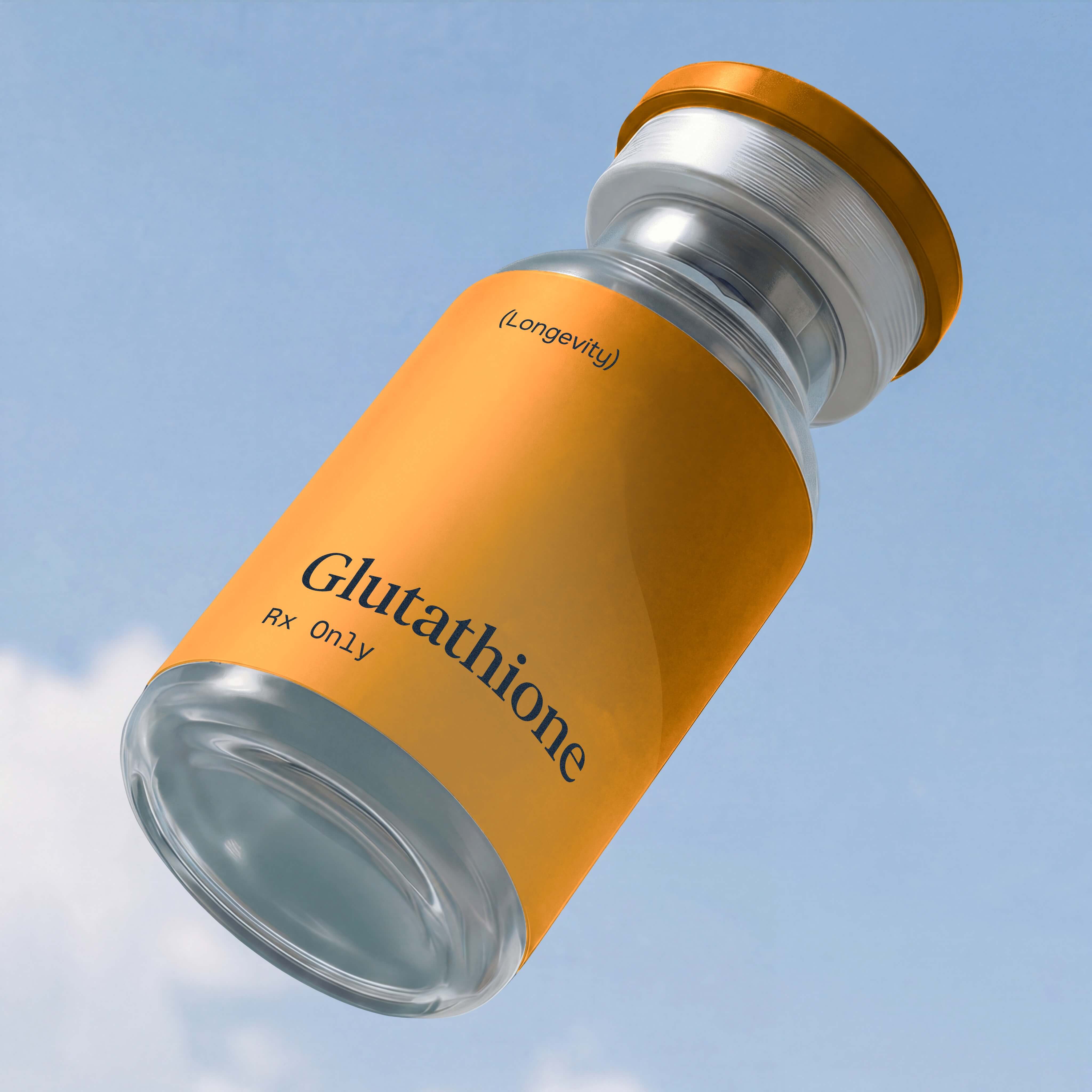
Glutathione vial
07

Glutathione, the antioxidant tripeptide

Glutamate, cysteine and glycine

$89a month, Harbor starting price

Glutathione is a tripeptide your cells make to neutralize oxidative stress. Research on glutathione for skin is limited for every route, oral, topical and injected, and a 2019 systematic review of four studies found only a trend toward fewer wrinkles and better elasticity. Harbor's clinicians prescribe compounded glutathione, which is not FDA approved, as antioxidant support for overall wellness, not to lighten skin. You inject it under the skin at home on a schedule your clinician sets, and it starts at $89 a month. For the wider picture, read what glutathione therapy is. Quality matters. In August 2026 the FDA reminded compounders not to make injectable glutathione from dietary supplement grade ingredients after reports involving at least 30 patients who received it by IV. A September 2026 CDC notice covers glutathione given by IV and by injection under the skin. Harbor states its medications are compounded by licensed 503A and 503B U.S. pharmacies.

Where it wins

  • Made in every cell as a primary antioxidant
  • A 12-week oral trial in 60 women found fewer wrinkles at some sites than placebo
  • A 10-week split-face trial in 30 women found more moisture and smoother skin on the treated side

What it costs you

  • The trials were small and short, most measured pigment rather than aging, and the topical one was run by staff of the ingredient maker
  • The one placebo-controlled injection trial found no significant difference
  • There are no FDA-approved glutathione products in the United States

Antioxidant support under a clinician

How to choose peptides for skin tightening & aging

Start with the label claim, then look for a human trial behind it.

  1. Find the ingredient name. Labels list peptides by cosmetic ingredient names, such as palmitoyl pentapeptide-4, so you can match a product to its research.
  2. Look for a controlled human trial. A split-face or placebo-controlled study beats cell work, and an independent one beats a study by the ingredient's maker.
  3. Read the claim. Cosmetics do not need FDA approval before sale, so a firming or lifting claim on a cream has not been reviewed by the FDA.
  4. Keep sunscreen first. The FDA advises regular broad spectrum sunscreen, SPF 15 or higher, to help protect against early skin aging.

Peptides for skin tightening match the research least well. The trials above mostly measured wrinkles, roughness, moisture and elasticity, not tightening. For peptides for aging skin, the largest placebo-controlled topical trial here is the 93-woman signal peptide study, and oral collagen has the most data, with its funding caveat.

Injectable peptides for skin are a separate question. None of the seven is FDA approved as an injection for skin, so no list of the best injectable peptides for skin tightening rests on approval or trial results. The FDA has flagged injectable GHK-Cu, and the CDC advises asking whether injectable glutathione was made with ingredients intended for injection and who compounded it.

Anyone weighing compounded glutathione for skin should know that Harbor's program is built for clinician-guided antioxidant support, not skin lightening. A board-certified physician reviews your health history and goals first. If it is not the right fit, you are not charged.

Compounded glutathione is a prescription injection that is not FDA approved, and a physician decides whether it is appropriate for you. Tell your clinician if you are pregnant, breastfeeding or taking other medications. For anything about your own history, message your Harbor clinician.

Frequently asked questions

The short answer to what do peptides do for skin is that it depends on the type. Signal peptides are meant to prompt collagen production, neurotransmitter peptides to soften the look of expression lines, carrier peptides to deliver copper, and enzyme inhibitor peptides to slow the breakdown of collagen. Trials are small.

There is no proven timeline. The trials measured changes after 4 weeks for acetyl hexapeptide-8, 12 weeks for palmitoyl pentapeptide-4 and 10 to 12 weeks in the glutathione trials described above. The 2021 collagen review based its conclusion on 90 days of use, and individual responses vary.

The evidence is limited. Claims that glutathione benefits skin rest on a few small oral and topical trials lasting up to 12 weeks, and a 2019 review found only trends toward fewer wrinkles and better elasticity. As with the other peptides for skin here, no result is promised. To support your own levels through habits, see how to raise glutathione levels.

Sources

  1. Gorouhi F, Maibach HI. Role of topical peptides in preventing or treating aged skin. Int J Cosmet Sci. 2009.
  2. Wang J et al. Peptides in cosmetics and skin health: mechanisms and discovery. Pharmaceuticals (Basel). 2026.
  3. Nukaly HY et al. Oral and topical peptides for skin aging: systematic review and meta-analysis. Front Med. 2026.
  4. de Miranda RB et al. Hydrolyzed collagen supplementation and skin aging: a meta-analysis. Int J Dermatol. 2021.
  5. Myung SK, Park Y. Collagen supplements and skin aging: a meta-analysis. Am J Med. 2025.
  6. Pickart L, Margolina A. Regenerative and protective actions of the GHK-Cu peptide. Int J Mol Sci. 2018.
  7. Miller TR et al. Topical copper tripeptide complex on CO2 laser-resurfaced skin. Arch Facial Plast Surg. 2006.
  8. Najafi N et al. Systematic review of GHK-Cu in topical microneedle delivery. Arch Intern Med Res. 2026.
  9. Robinson LR et al. Topical palmitoyl pentapeptide in photoaged facial skin. Int J Cosmet Sci. 2005.
  10. Blanes-Mira C et al. A synthetic hexapeptide with antiwrinkle activity. Int J Cosmet Sci. 2002.
  11. Wang Y et al. Anti-wrinkle efficacy of a synthetic hexapeptide in Chinese subjects. Am J Clin Dermatol. 2013.
  12. Henseler H. A hexapeptide serum and skin surface wrinkles, split-face study. GMS Interdiscip Plast Reconstr Surg DGPW. 2023.
  13. Hussain M, Goldberg DJ. Topical manganese peptide in photodamaged skin. J Cosmet Laser Ther. 2007.
  14. Dilokthornsakul W et al. Glutathione and skin color: a systematic review. J Cosmet Dermatol. 2019.
  15. Weschawalit S et al. Glutathione and its antiaging and antimelanogenic effects. Clin Cosmet Investig Dermatol. 2017.
  16. Watanabe F et al. Topical oxidized glutathione: a placebo-controlled trial in healthy women. Clin Cosmet Investig Dermatol. 2014.
  17. Sarkar R et al. Glutathione as a skin-lightening agent and in melasma: a systematic review. Int J Dermatol. 2025.
  18. CDC. Adverse events linked to injectable glutathione compounded with dietary supplement grade ingredient. 2026.
  19. FDA. FDA reminds compounders not to use dietary supplement grade glutathione for injectables. August 27, 2026.
  20. FDA. Certain bulk drug substances for use in compounding that may present significant safety risks.
  21. FDA. Bulk drug substances nominated for use in compounding under section 503A, updated May 14, 2026.
  22. FDA. Compounding and the FDA: questions and answers.
  23. FDA. Wrinkle treatments and other anti-aging products.
  24. FDA. FDA authority over cosmetics: how cosmetics are not FDA-approved, but are FDA-regulated.
  25. FDA. Questions and answers on dietary supplements.
  26. FDA. Sunscreen: how to help protect your skin from the sun.
  • Longevity

    Glutathione benefits get big claims online. Here are ten, each graded by the human evidence behind it and the route that was actually tested, so you can see where the research is solid and where it stops.

    By Harbor Health Team

  • Longevity

    Most longevity peptides are sold on promise rather than proof. Here are six of the most discussed, what each one is actually approved or studied for, how much human evidence stands behind it, and where the FDA has raised concerns.

    By Harbor Health Team