
Harbor is now
Start for $99No results? No chargeSame-day approvalNo price increases — everBuy now, pay later

Sermorelin vs MK-677: A Prescribed Peptide vs an Unapproved Research Compound

Both prompt your pituitary to release more of its own growth hormone. Only one is prescribed after a physician review and prepared by a licensed U.S. pharmacy. Here is the honest comparison, and how our clinicians weigh it.

Clinically reviewed
Medically reviewed by Harbor Health TeamMedical Content Team10 min read

At a glance

Regulatory history from FDA records; MK-677 figures from its randomized trials

MK-677 (ibutamoren)

Oral ghrelin-receptor agonist

+1.1 kgKey numberfat-free mass at 12 months, 2008 trial

  • FDA statusNever approved
  • Through HarborNot offered
  • How it is soldResearch chemical
  • FormOral, once daily in trials
  • Physician reviewNone; sold without a prescription
Offered by Harbor
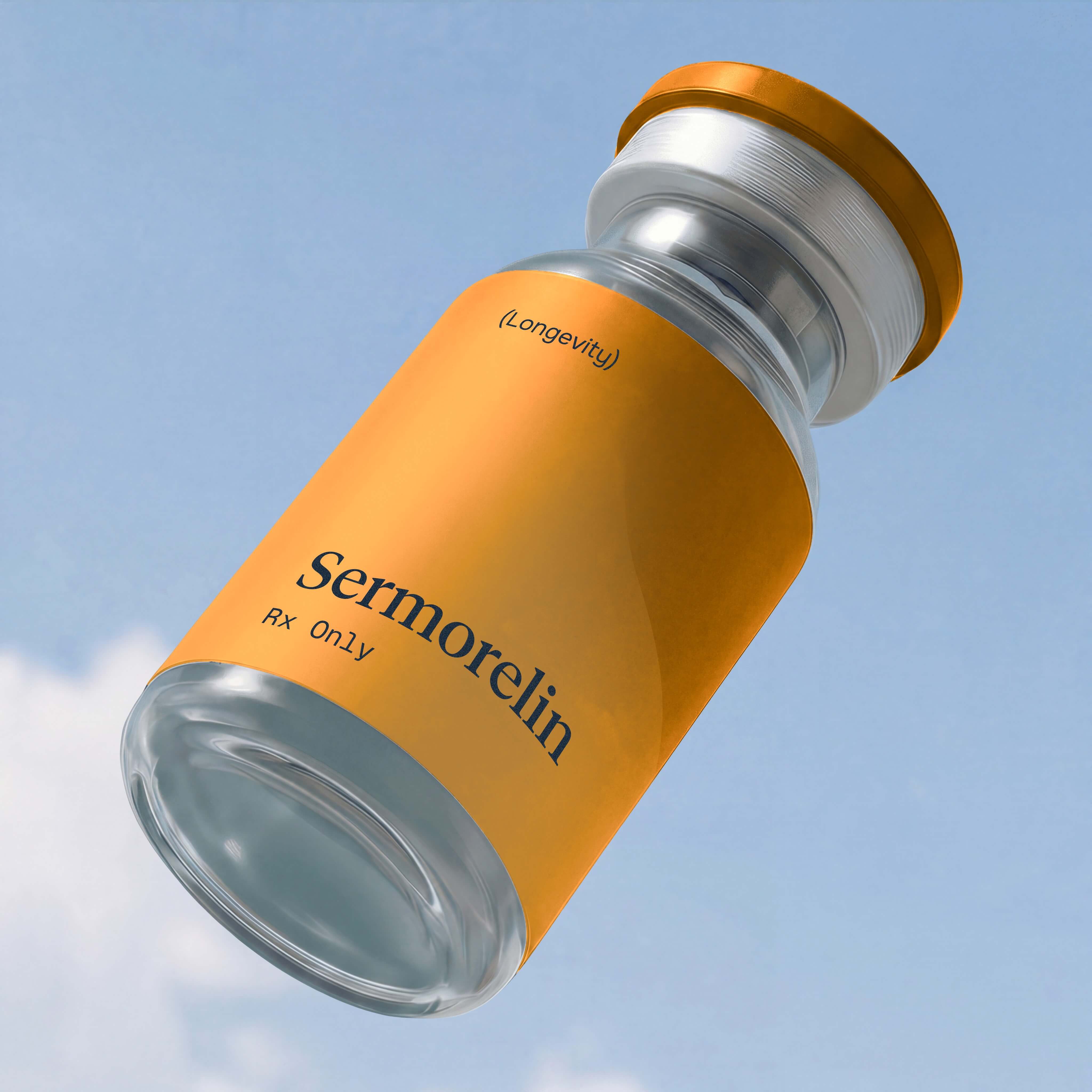
Sermorelin vial

Sermorelin

GHRH analog, 29 amino acids

  • FDA statusCompounded, not approved
  • Through HarborFrom $99/mo
  • How it is soldPrescription, licensed U.S. pharmacy
  • FormSmall subcutaneous injection
  • Physician reviewEvery intake

The verdict: Sermorelin is the one Harbor offers: an FDA-approved history, a board-certified physician reviewing every intake, and a vial prepared for you by a licensed U.S. pharmacy. MK-677 was never approved, is sold online as a research chemical, and its trials recorded higher fasting glucose and a heart failure signal.

The short answer

Sermorelin is a prescription peptide with an FDA-approved history. At Harbor it is prescribed as a compounded medication only after a board-certified physician reviews your health, and our clinicians stay with you after the first vial ships. MK-677 never reached approval and reaches most people as a research chemical bought online, with no prescription, no pharmacy and no clinician.

MK-677 does have published human trials, more than most gray-market compounds. Those trials are also where its problems show up: higher fasting glucose, lower insulin sensitivity, fluid retention, a bigger appetite, and a separate trial stopped early over a heart failure signal.

We offer sermorelin and do not offer MK-677. Here is the detail behind that decision.

How each one works

Both compounds are growth hormone secretagogues. Neither one is growth hormone. Each prompts the pituitary to make and release more of its own, so the body's feedback loops stay in charge. They reach the pituitary through two different doors.

MK-677: a pill that imitates ghrelin

MK-677, also called ibutamoren, is not a peptide. It is a small molecule designed by Merck to act like ghrelin, the hunger hormone, at the growth hormone secretagogue receptor. A published review reports oral bioavailability above 60 percent and a half-life of about 4.7 hours, which is why it is a once-daily pill (Sigalos and Pastuszak, 2018). The ghrelin pathway that releases growth hormone also drives appetite. That is the mechanism, not a side detail.

Sermorelin: the GHRH fragment

Sermorelin is the first 29 amino acids of growth hormone-releasing hormone (GHRH), the signal the hypothalamus sends to the pituitary, and a published review calls it the shortest synthetic peptide with the full activity of GHRH (Prakash and Goa, 1999). It is a small subcutaneous injection, because peptides do not survive the stomach, and it acts briefly. The effect comes from the pulse of growth hormone it triggers, which is how we describe it in our sermorelin explainer.

A pulse versus a longer push

Growth hormone is normally released in pulses, largely overnight. Sermorelin adds to one pulse and is gone. MK-677 keeps the receptor engaged for hours, although in the 2008 trial it enhanced pulsatile release rather than flattening it, with 24-hour mean growth hormone up 1.8-fold and IGF-1 up 1.5-fold at 12 months (Nass et al., 2008). The differences that matter are in what else each one does, and who is watching.

What the evidence shows

MK-677: more trial data than its reputation suggests

The anchor study is a randomized, double-blind, placebo-controlled trial of 65 healthy adults aged 60 to 81, published in the Annals of Internal Medicine in 2008. On 25 mg of MK-677 daily for a year, fat-free mass rose by 1.1 kg while it fell by 0.5 kg on placebo, growth hormone and IGF-1 climbed into the young-adult range, and LDL cholesterol dropped slightly (Nass et al., 2008). A smaller study reported longer REM sleep (Sigalos and Pastuszak, 2018). Those are real results, and they are why MK-677 keeps coming up.

The same trial is the fairest critique of MK-677. The added lean mass brought no gain in strength or physical function. Body weight rose 2.7 kg versus 0.8 kg on placebo, and limb fat increased. Fasting glucose rose by about 5 mg/dL and insulin sensitivity fell. Appetite increased in 67 percent of participants versus 36 percent on placebo. Cortisol went up. Visceral fat, a primary endpoint, did not change.

The hip-fracture trial that was stopped

A second randomized trial gave 25 mg of MK-677 daily to 123 older adults recovering from hip fracture. IGF-1 rose and gait speed improved, but most other functional measures did not, and the trial was terminated early over a safety signal of congestive heart failure in a limited number of patients. The authors called its safety profile unfavorable in that population (Adunsky et al., 2011). The FDA cites that trial when it explains why ibutamoren poses significant safety risks in compounding (FDA, Category 2 bulk substances).

Sermorelin: an approved history, thinner adult data

Sermorelin's trial record was built in children. Its 1990 approval was as a diagnostic test of pituitary function, and its 1997 approval was for idiopathic growth hormone deficiency in children with growth failure (Federal Register, 2013). In those studies, once-daily bedtime injections raised height velocity, and transient facial flushing and injection-site pain were the most common adverse events (Prakash and Goa, 1999).

In healthy adults, the evidence for sermorelin is limited: nothing matches the size or length of the MK-677 study, and the two have never been compared head to head. That is why an Harbor program supports your growth hormone signaling under clinician guidance rather than promising a result. Individual responses vary.

Side by side

MK-677 figures from Nass et al., 2008 and Adunsky et al., 2011. Regulatory status from FDA's Category 2 and section 503A pages and the 2013 Federal Register notice. Sermorelin tolerability from Prakash and Goa, 1999. Pricing is Harbor's published starting price.
AttributeMK-677 (ibutamoren)Sermorelin
How it is takenBy mouth, once dailySmall subcutaneous injection
FDA statusNever approved for any useApproved as Geref in 1990 and 1997; compounded today, not FDA-approved
Physician review before you startNone; sold without a prescriptionA board-certified physician reviews every intake
Who prepares itOnline sellers labeling it for research useA licensed U.S. pharmacy, for you, on a prescription
Ongoing careNo prescriber involvedClinician sets and adjusts the dose; 24/7 licensed clinician support
FDA compounding positionCategory 2: significant safety risks, potential heart failureCompounded under 503A on its approved history
Adult trial evidenceTwo randomized trials in older adults; +1.1 kg fat-free mass, no strength gainPediatric trials; limited adult data
Metabolic and safety signalsFasting glucose up, insulin sensitivity down; one trial stopped for heart failureFlushing and injection-site pain most common; no trial halted
Monthly costVaries by seller; no clinician or pharmacy includedFrom $99/mo at Harbor, flat, with physician review and clinician access

Scroll the table sideways to see both columns →

Side effects and safety

Both compounds raise growth hormone and IGF-1, so they share one caution: anyone with active cancer, a cancer history, diabetes or prediabetes needs a clinician in the loop before starting either one. Beyond that, the two profiles differ.

MK-677

Appetite rises in most people who take it; in the 2008 study the effect faded within three months for about half of participants. Mild, transient leg swelling was recorded in 44 percent versus 27 percent on placebo, and transient muscle pain in 33 percent versus 9 percent. Fasting glucose and cortisol went up (Nass et al., 2008). The FDA's summary is shorter: ibutamoren sits in Category 2 for compounding over the potential for congestive heart failure (FDA, Category 2 bulk substances).

Sermorelin

In the published pediatric data, transient facial flushing and injection-site pain were the most common effects, and dosing was described as well tolerated (Prakash and Goa, 1999). Our sermorelin guide lists mild injection-site redness, swelling or soreness as the most common effects, with some people noticing headache, flushing or nausea early on. Your clinician decides what monitoring fits your history.

Message us instead of guessing

New shortness of breath, swelling in both legs or sudden weight gain over a few days, chest pain, or swelling of the face, lips or throat after a dose means stop and seek care now. A sore injection site, flushing, a headache or a bigger appetite is a message to your Harbor clinician. If you have taken MK-677 from any source, tell your clinician before starting anything else.

FDA status and how each one reaches you

Neither compound is an FDA-approved product today. The difference is how far from approval each one sits, and who stands between the vial and you.

MK-677: unapproved and flagged by the FDA

MK-677 went through clinical trials but was never approved for any use. A 2018 review notes that companies have marketed ibutamoren as a supplement and that it is sold through internet sites (Sigalos and Pastuszak, 2018). The FDA treats that as marketing an unapproved new drug. A June 2023 warning letter to a seller of "MK-677 Ibutamoren" said the product was not generally recognized as safe and effective, and that labels reading "research purpose only" and "not for human consumption" did not change its status as a drug for human use (FDA warning letter, 2023).

The FDA has also closed the compounding door. Ibutamoren mesylate was placed in Category 2 for 503B outsourcing facilities on December 29, 2022 and for 503A pharmacies on September 29, 2023, over the potential for congestive heart failure (FDA, Category 2 bulk substances). Category 2 means the FDA has identified significant safety risks, so it does not extend to these substances the enforcement policy it applies to Category 1 (FDA, section 503A).

Sermorelin: compounded on an approved history

Sermorelin was approved as Geref in 1990 as a diagnostic test and in 1997 as a treatment. EMD Serono discontinued both products in 2008, the FDA withdrew the approvals at the company's request in 2009, and in 2013 the FDA determined they were not withdrawn from sale for reasons of safety or effectiveness (Federal Register, 2013). Section 503A lets a pharmacy compound with bulk substances that are components of FDA-approved drugs (FDA, section 503A), and sermorelin's approved history is the basis on which 503A pharmacies prepare it today.

Compounded does not mean approved. A compounded sermorelin vial is prepared for you on a prescription and is not reviewed by the FDA for safety or effectiveness, a distinction we lay out in our guide to compounded medications. At Harbor, a board-certified physician reviews your intake before anything ships, and the program starts from $99 a month. If it is not the right fit, it is not prescribed.

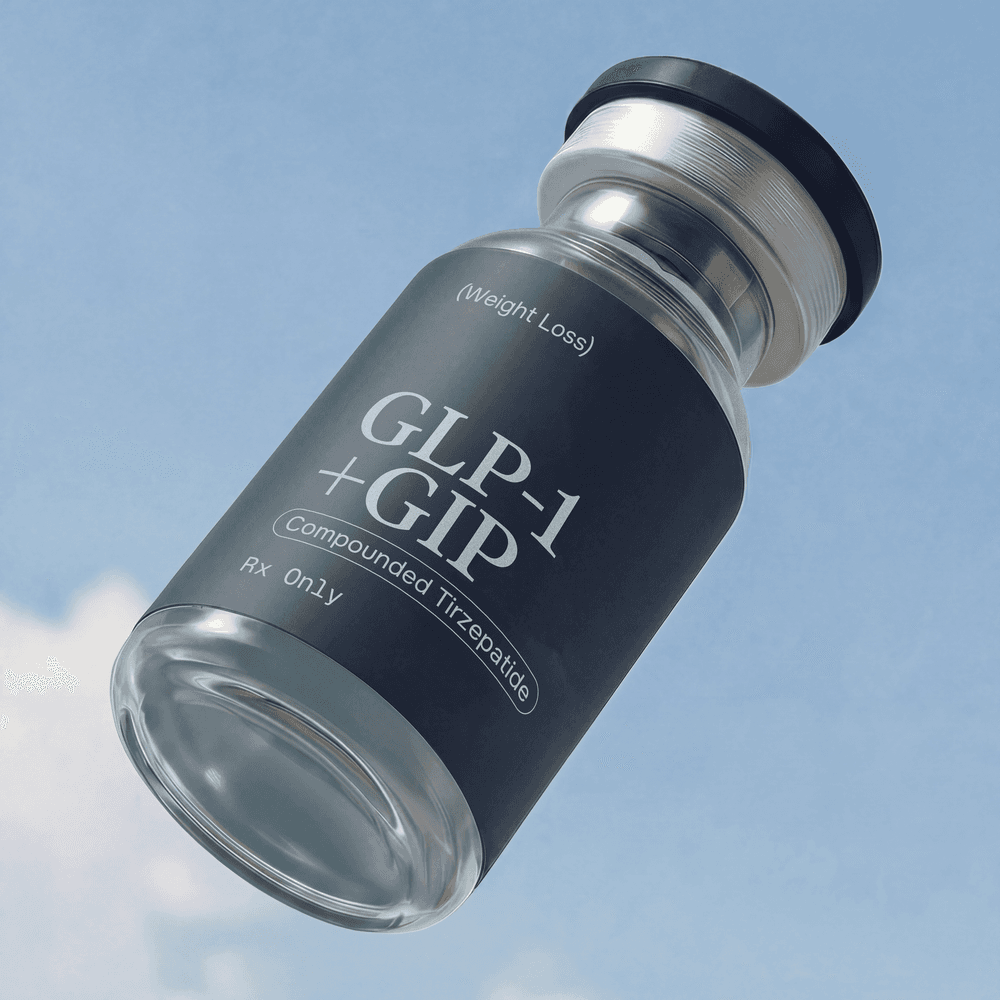
Tirzepatide vial
Weight lossTirzepatide

Dual-action GLP‑1/GIP for faster results

From
$149/mo
Taken
Once-weekly injection
Type
Dual GLP‑1/GIP agonist
Learn more

How Harbor clinicians think about it

Our clinicians start from sermorelin because it can be prescribed, prepared by a licensed pharmacy and followed by a clinician who knows your history. We do not prescribe MK-677, and we would not recommend buying it from a research-chemical site. Its appeal is real, a daily pill with no needle, but its trial record carries metabolic and cardiac signals, and nothing about how it is sold puts a physician or a pharmacy between the product and you.

Start with sermorelin when

  • You are a generally healthy adult interested in clinician-guided support for recovery, sleep or body composition, and you want a physician reviewing your history first
  • You want your blood sugar history weighed by a physician before any growth hormone secretagogue is started, given the glucose and insulin changes recorded on MK-677
  • You want a medication prepared for you by a licensed U.S. pharmacy on a prescription, with a clinician you can message at any hour
  • You want support under clinician guidance, with expectations set honestly rather than a promised result

MK-677 might suit you only if

  • You are enrolled in a registered clinical trial of ibutamoren, the one setting where it is studied with monitoring and informed consent
  • A physician who knows your heart and metabolic history has recommended it and can explain where a legitimate supply would come from, given the FDA's Category 2 placement

Outside those two cases, the question is not really sermorelin or MK-677. It is whether to take a prescribed, pharmacy-prepared peptide under supervision or an unregulated chemical without it. A physician reviews your goals and full health history, including diabetes, cancer history, heart health and pregnancy plans, before deciding whether any secretagogue is appropriate. The Harbor health questionnaire is where that conversation starts.

If you already take MK-677, do not add sermorelin or any other secretagogue on your own. Tell your Harbor clinician what you have taken, from where, and for how long, so your plan and blood work can account for it.

This article is for general education and is not medical advice. It is not a substitute for evaluation, diagnosis, or treatment by a licensed clinician. Talk with a qualified clinician about your individual situation.

Harbor is a technology platform. Medical evaluations are conducted by independent, licensed healthcare providers who decide whether treatment is appropriate. Compounded medications are prepared by licensed U.S. pharmacies for individual patients and are not reviewed by the FDA for safety or effectiveness.

Frequently asked questions

No. MK-677, or ibutamoren, is a non-peptide small molecule designed by Merck to act like ghrelin at the growth hormone secretagogue receptor, which is why it can be taken by mouth. Sermorelin is a true peptide, the first 29 amino acids of GHRH, and must be injected.

It has never been FDA-approved. In a 2023 warning letter, the FDA called one online seller's MK-677 product an unapproved new drug that could not legally be marketed, despite labels reading "research purpose only." In September 2023 the FDA also placed ibutamoren in Category 2 for 503A compounding over its heart failure signal.

Not as a product sold today. It was approved as Geref in 1990 and 1997, discontinued by EMD Serono in 2008, and in 2013 the FDA found it was not withdrawn for safety or effectiveness reasons. Harbor prescribes it as a compounded medication, which the FDA does not review for safety or effectiveness.

Neither is approved to build muscle. In the 2008 Annals of Internal Medicine trial, MK-677 added about 1.1 kg of fat-free mass over a year in adults aged 60 to 81, with no gain in strength or function. Sermorelin has no comparable adult trial. Protein, resistance training and sleep remain the foundation either way.

In the 2008 randomized trial, fasting glucose rose by about 5 mg/dL and insulin sensitivity decreased on 25 mg of MK-677 daily. Anyone with prediabetes or diabetes should treat that as a reason to talk with a clinician before considering any growth hormone secretagogue.

Some websites describe stacking them. No trial has studied the combination, both raise growth hormone and IGF-1, and MK-677 carries a heart failure signal from a halted trial. Do not combine or alternate growth hormone secretagogues without your prescriber's direction, and tell your Harbor clinician about anything you have taken.

Sources

  1. Nass R, Pezzoli SS, Oliveri MC, et al. Effects of an oral ghrelin mimetic on body composition and clinical outcomes in healthy older adults: a randomized trial. Ann Intern Med. 2008;149(9):601-611.
  2. Adunsky A, Chandler J, Heyden N, et al. MK-0677 (ibutamoren mesylate) for the treatment of patients recovering from hip fracture: a multicenter, randomized, placebo-controlled phase IIb study. Arch Gerontol Geriatr. 2011;53(2):183-189.
  3. Sigalos JT, Pastuszak AW. The safety and efficacy of growth hormone secretagogues. Sex Med Rev. 2018;6(1):45-53.
  4. Prakash A, Goa KL. Sermorelin: a review of its use in the diagnosis and treatment of children with idiopathic growth hormone deficiency. BioDrugs. 1999;12(2):139-157.
  5. U.S. Food and Drug Administration. Certain bulk drug substances for use in compounding that may present significant safety risks (Category 2): ibutamoren mesylate.
  6. U.S. Food and Drug Administration. Bulk drug substances used in compounding under section 503A of the FD&C Act.
  7. U.S. Food and Drug Administration. Warning letter to Warrior Labz SARMS, June 12, 2023.
  8. U.S. Food and Drug Administration. Determination that GEREF (sermorelin acetate) injection was not withdrawn from sale for reasons of safety or effectiveness. Federal Register, March 4, 2013.