

Harbor is now
Start for $99No results? No chargeSame-day approvalNo price increases — everBuy now, pay later

How to Inject Tirzepatide: A Step-by-Step Guide for Compounded Vials

Harbor's tirzepatide arrives in a vial, not a pen, so each weekly dose is drawn into a syringe and injected under the skin. This guide walks through how to inject tirzepatide from a compounded vial, using the FDA-approved vial instructions for tirzepatide and NIH guidance as the reference points. Your clinician sets the dose and the units.

Clinically reviewed
Medically reviewed by Harbor Health TeamMedical Content Team5 min read

What you’ll need

Set it all out before you open the vial
  • Your tirzepatide vialLabel checked for name, mg/mL and expiry
  • Your prescription in writingThe dose in mg and your units
  • A new syringe and needleThe size your pharmacy sent, used once
  • Two alcohol swabsOne for the stopper, one for your skin
  • Gauze or a cotton ballTo press, not rub, if there is a drop of blood
  • A sharps containerFDA-cleared, or a sturdy household substitute

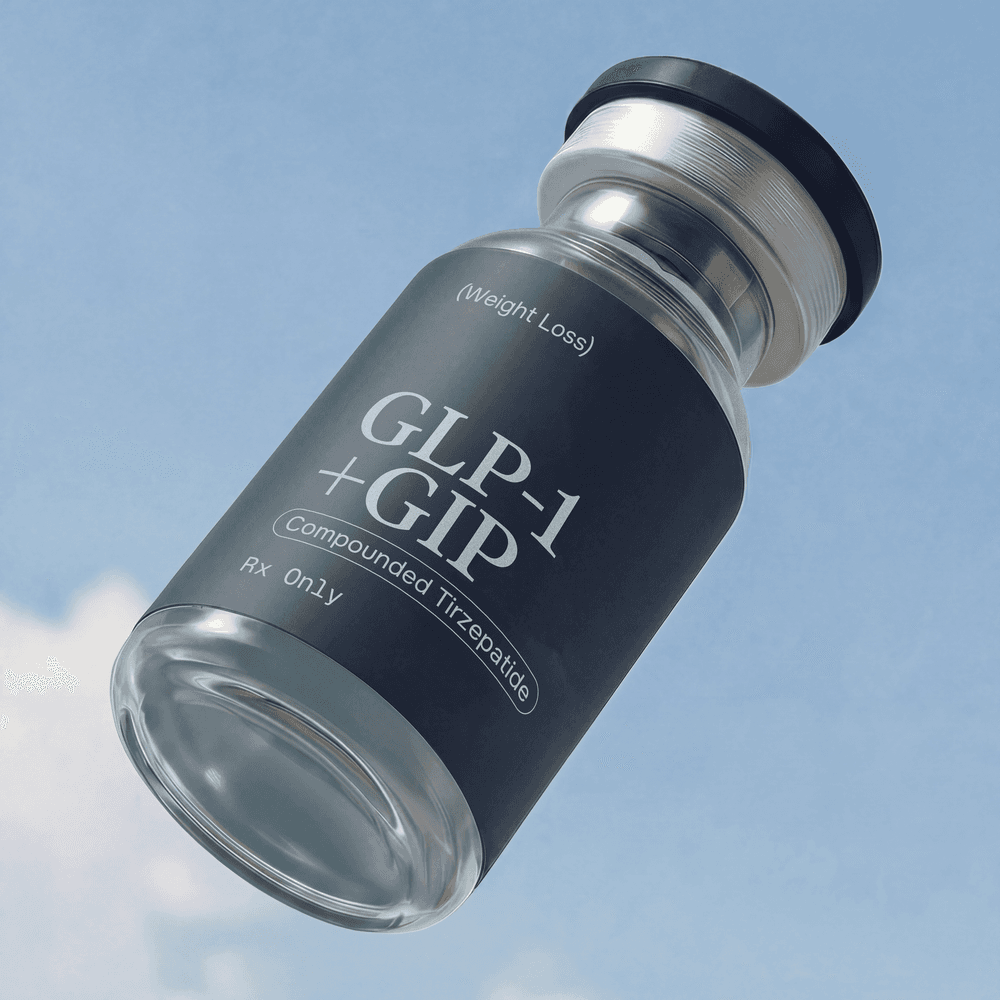
A tirzepatide injection from a vial takes more care than a pen. Harbor's compounded tirzepatide injections come as a tirzepatide vial you draw from yourself, and compounded tirzepatide is not FDA-approved. Your dose climbs in steps over time, which the tirzepatide dosing guide by level explains.

Tirzepatide injection steps

The FDA-approved tirzepatide vial, sold as Zepbound, comes with step-by-step Instructions for Use, and the MedlinePlus tirzepatide injection information covers sites, timing and disposal. The steps below follow both. Compounded vials differ in one important way: concentration can vary from one pharmacy to the next, so your units come from your own prescription, never from the brand instructions.

Give yourself unhurried time for the first few doses while you learn how to inject tirzepatide at home.

  1. Step 1: Wash your hands & set up supplies

    Wash with soap and water and dry your hands fully. Lay out everything from the list above on a clean, bright surface.

    A new syringe and needle every time helps prevent infection and blocked needles.

  2. Step 2: Check the vial & your dose in units

    Read the label for your name, the medicine, the mg/mL concentration and the expiry date. The liquid should be clear and colorless to slightly yellow, with no cloudiness or particles. Then confirm your units. A U-100 syringe measures volume, and units to draw = (your dose in mg / the vial's mg/mL) x 100. Harbor's guide on how to measure tirzepatide in units works through the math. If your result and your clinician's number differ, stop and ask.

    The FDA has warned about dosing errors with compounded GLP-1 vials when milligrams, milliliters and units get mixed up.

  3. Step 3: Draw tirzepatide into the syringe

    Here is how to draw tirzepatide from vial to syringe without fighting a vacuum. Wipe the rubber stopper with an alcohol swab. Pull the plunger back to draw in air to your unit line, push the needle through the stopper and press the air into the vial. Turn the vial and syringe upside down, keep the needle tip in the liquid, and pull slowly past your line. Tap the bubbles up, push the plunger to exactly your line, and withdraw the needle.

  4. Step 4: Choose & clean the injection site

    Pick your stomach, thigh or, with help, the back of your upper arm, away from last week's spot. Wipe it with an alcohol swab and let it dry. Skip skin that is tender, bruised, hard, scarred or lumpy.

  5. Step 5: Inject under the skin

    Inject the way your clinician showed you, including whether to pinch. Insert the needle, push the plunger down fully, and keep the needle in for at least 5 seconds, as the Zepbound vial instructions direct. Then pull the needle straight out.

    A drop of blood is fine. Press gauze on the site, but do not rub it.

  6. Step 6: Dispose of the syringe safely

    Do not recap the needle. Recapping is how needle-stick injuries happen. Put the whole syringe straight into your sharps container, never the household trash.

Tirzepatide injection sites & rotation

The answer to where to inject tirzepatide is the same on the FDA label and on MedlinePlus: the stomach (abdomen), the thigh or the back of the upper arm. The Zepbound instructions add that the upper arm should be injected by another person, and that stomach injections sit at least 2 inches from the belly button.

Those three tirzepatide injection sites behave the same in the body: the Zepbound label reports similar exposure to tirzepatide in the abdomen, thigh and upper arm, so no tirzepatide injection site gives a stronger dose.

Learning how to inject tirzepatide in stomach skin starts with the spot: below your ribs and above your hip bones, 2 inches from the navel. For the thigh, use the front or outer side of the upper thigh.

Rotation matters as much as the site you pick. The Zepbound vial instructions say to change sites within your chosen area every dose, to lower the risk of lipodystrophy (pitted or thickened skin) and localized cutaneous amyloidosis (lumps under the skin). MedlinePlus suggests moving at least 1 inch from the last site. A simple pattern:

  1. Week 1: left side of the stomach, upper half
  2. Week 2: right side of the stomach, upper half
  3. Week 3: left side of the stomach, lower half
  4. Week 4: right side of the stomach, lower half, then switch to the thighs or start over
Tirzepatide vial
Weight lossTirzepatide

Dual-action GLP‑1/GIP for faster results

From
$149/mo
Taken
Once-weekly injection
Type
Dual GLP‑1/GIP agonist
Learn more

Tips for easier tirzepatide injections

As for where to inject tirzepatide for best results, the label data point to consistency over location: the right units, the same day each week and a rotated site.

  • Keep the same injection day. MedlinePlus notes you can change the day as long as at least 3 days separate two doses.
  • Store the vial as the pharmacy label directs, out of children's reach.
  • Write down the date, units and site after every dose.
  • Tie the injection to a fixed weekly habit. Harbor's guide to a weekly routine around GLP-1 injections has ideas.
  • When your sharps container is about three-quarters full, follow your community's disposal rules, as the FDA advises.

Some soreness is normal. Spreading redness, swelling, red streaks or a fever can point to infection, so message your clinician.

If you think you drew or injected too much, contact your clinician right away. For an overdose, MedlinePlus advises calling the poison control helpline at 1-800-222-1222, or 911 if someone collapses, has a seizure, has trouble breathing or cannot be woken. Stomach pain that will not go away and may spread to your back, with or without vomiting, also needs prompt care. Everything else is a message to your Harbor clinician.

Frequently asked questions

There is no single best injection site for tirzepatide. The Zepbound label reports similar exposure from the stomach, thigh and upper arm, so pick the area you can reach and rotate comfortably. On your own, the stomach and thigh are the easiest to reach, since the instructions leave the back of the arm to a helper.

Yes. The thigh is one of the three FDA-labeled sites. If you are wondering where to inject tirzepatide in thigh skin, use the front or outer side of the upper thigh, rotate within that area each week, and avoid any spot that is bruised or hard.

Any time that suits you. The labeling allows any time of day, with or without meals; what matters is a regular weekly day. If a dose slips, check the missed GLP-1 dose next steps ; MedlinePlus says to inject within 4 days of the missed dose or skip it.

Sources

  1. ZEPBOUND (tirzepatide) injection, prescribing information and single-dose vial Instructions for Use. DailyMed, U.S. National Library of Medicine.
  2. Tirzepatide Injection. MedlinePlus, U.S. National Library of Medicine.
  3. Subcutaneous (SQ) injections. MedlinePlus Medical Encyclopedia.
  4. Drawing medicine out of a vial. MedlinePlus Medical Encyclopedia.
  5. FDA's Concerns with Unapproved GLP-1 Drugs Used for Weight Loss. U.S. Food and Drug Administration.
  6. Best Way to Get Rid of Used Needles and Other Sharps. U.S. Food and Drug Administration.