
Start for $99No results? No chargeSame-day approvalNo price increases — everBuy now, pay later

Sermorelin vs Tesamorelin: Which Growth-Hormone Peptide Fits Your Goals

Two growth-hormone-releasing peptides that work through the same pathway, with very different approvals, evidence and access. Here is how they compare, and how Harbor's clinicians think about the choice.

Clinically reviewed
Medically reviewed by Harbor Health TeamMedical Content Team9 min read

At a glance

Tesamorelin figures from its FDA label; sermorelin from published reviews

Tesamorelin

GHRH analog, brand Egrifta

−18%Key numbervisceral fat in its label trial

  • FDA statusApproved, narrow use
  • Approved useHIV lipodystrophy fat
  • DosingOnce daily
  • Through HarborNot offered
Offered by Harbor
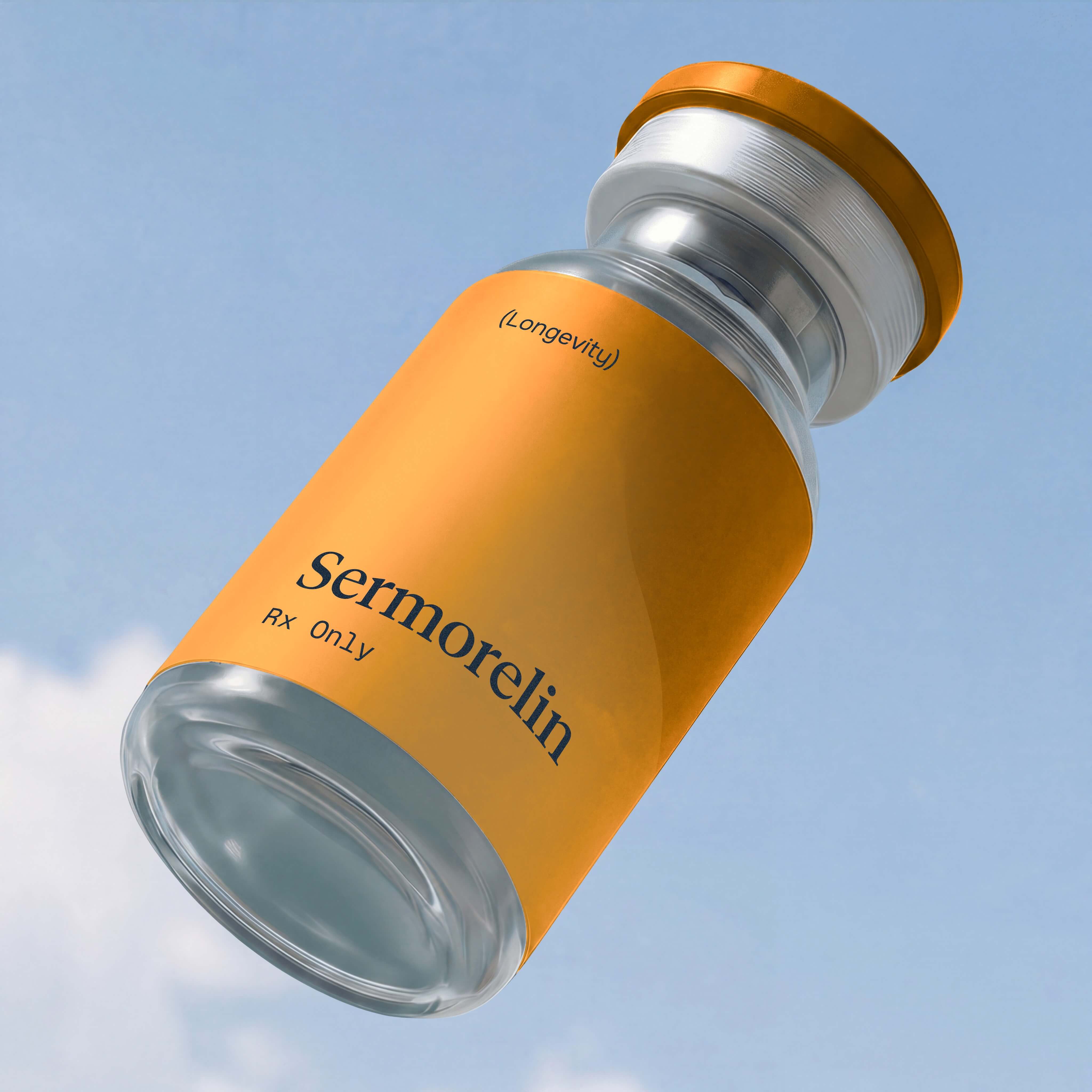
Sermorelin vial

Sermorelin

GHRH analog, 29 amino acids

  • FDA statusCompounded, not approved
  • Approved useEvery intake
  • DosingSet by your clinician
  • Through HarborLimited

The verdict: Tesamorelin has the stronger trial evidence, but for one approved use: excess abdominal fat in adults with HIV-associated lipodystrophy. For adults seeking clinician-guided growth-hormone support outside that use, sermorelin is the accessible option, and it is the one Harbor offers.

The short answer

If your goal matches tesamorelin's approval, meaning excess abdominal fat in an adult living with HIV and lipodystrophy, tesamorelin is the evidence-backed choice. It has two randomized, placebo-controlled trials behind it and an FDA label that spells out exactly who it is for.

If you are an adult looking for clinician-guided support for recovery, sleep or body composition outside that diagnosis, tesamorelin is not approved for you, and sermorelin is the more practical conversation. It is prescribed as a compounded medication, it is not FDA-approved, and the evidence in healthy adults is limited. The program is built to support your own growth-hormone signaling with a clinician watching your response, not to deliver a guaranteed result.

Everything below is the detail behind those two paragraphs.

How each one works

Both peptides imitate growth hormone-releasing hormone (GHRH), the signal your hypothalamus sends to the pituitary gland. Neither one is growth hormone. Each prompts the pituitary to make and release its own, in the natural pulsing pattern the body already uses, which the tesamorelin label describes directly (Egrifta WR label).

Tesamorelin: the full sequence, modified

Tesamorelin contains the full 44 amino acid sequence of human GHRH with a small chemical group added to one end. The label reports it binds human GHRH receptors with potency similar to the body's own hormone.

Sermorelin: the active fragment

Sermorelin is a 29 amino acid analogue of GHRH, described in a published review as the shortest synthetic peptide with the full biological activity of GHRH (Prakash and Goa, 1999). Because the pituitary stays in the loop, your body keeps regulating the release rhythm, which is how Harbor describes it in our sermorelin explainer.

Why timing comes up

Both peptides act briefly. The tesamorelin label reports a half-life of about 11 minutes after an injection, so the effect comes from the growth-hormone pulse it triggers rather than from the drug lingering. In the pediatric sermorelin studies, the once-daily dose was given at bedtime (Prakash and Goa, 1999), which lines up with the body's own growth-hormone release, most of which is tied to deep slow-wave sleep (Van Cauter and Copinschi, 2000). That is why timing is part of the conversation for both.

So the mechanism is shared. What separates the two is what each has been approved for and tested in.

What the evidence shows

Tesamorelin: two randomized trials, one population

The label is built on two 26-week, placebo-controlled trials in adults with HIV, lipodystrophy and excess abdominal fat. Visceral fat measured by CT fell 18% on tesamorelin versus a 2% rise on placebo in the first study, and 14% versus 2% in the second. Body weight barely moved, which is why the label says tesamorelin is not indicated for weight loss.

The label also reports what happened to IGF-1, the growth factor the liver makes in response to growth hormone. In the first study it rose by about 107 ng/mL on tesamorelin while falling slightly on placebo, which is the signal the drug is doing what a GHRH analog should. The label adds that the effects of a prolonged rise in IGF-1 are unknown, which is why it asks prescribers to monitor it.

Those results apply to that population. The trials excluded people with diabetes, and the label notes there is no information in adults over 65.

Sermorelin: an approved history, thinner adult data

Sermorelin was FDA-approved as Geref, first as a diagnostic test in 1990 and later to treat children with idiopathic growth hormone deficiency. The manufacturer discontinued it in 2008, and the FDA later determined it was not withdrawn for reasons of safety or effectiveness (Federal Register, 2013).

In adults, the evidence is much thinner. Much of the case for adult use rests on smaller studies and commentary rather than large controlled trials (Walker, 2006). Individual responses vary, and a clinician sets expectations based on your history.

That gap matters more than the mechanism does. Two peptides can share a pathway and still differ in how well their effects are understood.

Side by side

Tesamorelin figures from the Egrifta WR prescribing information. Sermorelin history from the 2013 Federal Register notice and Prakash and Goa, 1999. Sermorelin pricing is Harbor's published starting price.
AttributeTesamorelinSermorelin
What it isGHRH analog, full 44 amino acidsGHRH analog, first 29 amino acids
FDA statusApproved in 2010 (Egrifta) FDA-approvedCompounded; Geref discontinued in 2008
Approved useExcess abdominal fat in HIV lipodystrophy Clear indicationNo current approved use; prescribed as a compounded medication
Trial evidenceTwo 26-week RCTs, visceral fat down 18% and 14% Stronger trialsPediatric studies; limited adult data
Weight lossNot indicated; weight neutralNot a weight-loss drug
Dosing1.28 mg once daily (Egrifta WR)Set by your clinician
Label monitoringIGF-1 and blood glucoseClinician check-ins
AccessBrand specialty prescriptionOnline, physician-reviewed Easier to start
PriceDepends on coverageFrom $99/mo at Harbor, flat Flat pricing

Scroll the table sideways to see both columns →

Side effects and safety

Both are small subcutaneous injections, and both can cause injection-site redness, itching or soreness. Beyond that, tesamorelin carries more label warnings, partly because it has been studied more formally.

Tesamorelin

The label lists joint pain, injection-site redness and itching, pain in the extremities, swelling and muscle aches as the most common reactions. It also warns about raised IGF-1, fluid retention, and glucose intolerance or diabetes, and recommends checking IGF-1 and glucose during treatment. It is contraindicated in pregnancy, active cancer, and conditions that disrupt the hypothalamic-pituitary axis.

Sermorelin

In the published pediatric data, transient facial flushing and injection-site pain were the most commonly reported effects (Prakash and Goa, 1999). Some people also notice headache or nausea early on, as Harbor's explainer notes.

If you have diabetes or prediabetes, tell your clinician before starting either peptide. Growth hormone affects how the body handles glucose, which is exactly why the tesamorelin label asks prescribers to evaluate glucose before and during treatment.

Message us instead of guessing

Swelling of the face, lips or throat, trouble breathing, or a widespread rash after an injection means stop and seek emergency care. Everything else, including a sore site, flushing or a headache, is a message to your Harbor clinician.

FDA status and access

Tesamorelin is a brand-name prescription with an FDA label, which also means prescribing it outside HIV-associated lipodystrophy is off-label. Coverage and price depend on your plan and on whether your situation matches the approved use.

Sermorelin today is prepared by licensed compounding pharmacies for individual patients. Compounded medications are not reviewed by the FDA for safety or effectiveness (FDA compounding Q&A). At Harbor, a board-certified physician reviews your intake before anything ships, and if it is not the right fit, it is not prescribed. The program starts from $99 a month.

What to ask any clinic offering either one

  • Is a licensed physician reviewing your full health history before prescribing, including diabetes, cancer history and pregnancy plans?
  • Which licensed pharmacy prepares the medication, and is it dispensed for you specifically on a prescription?
  • Who sets and adjusts the dose, and how will they check how you are responding?
  • What happens if it turns out not to be a good fit, and can you reach a clinician when you have a question?

A program that sells either peptide without a prescription, or without a clinician you can reach, is a red flag regardless of which one it is.

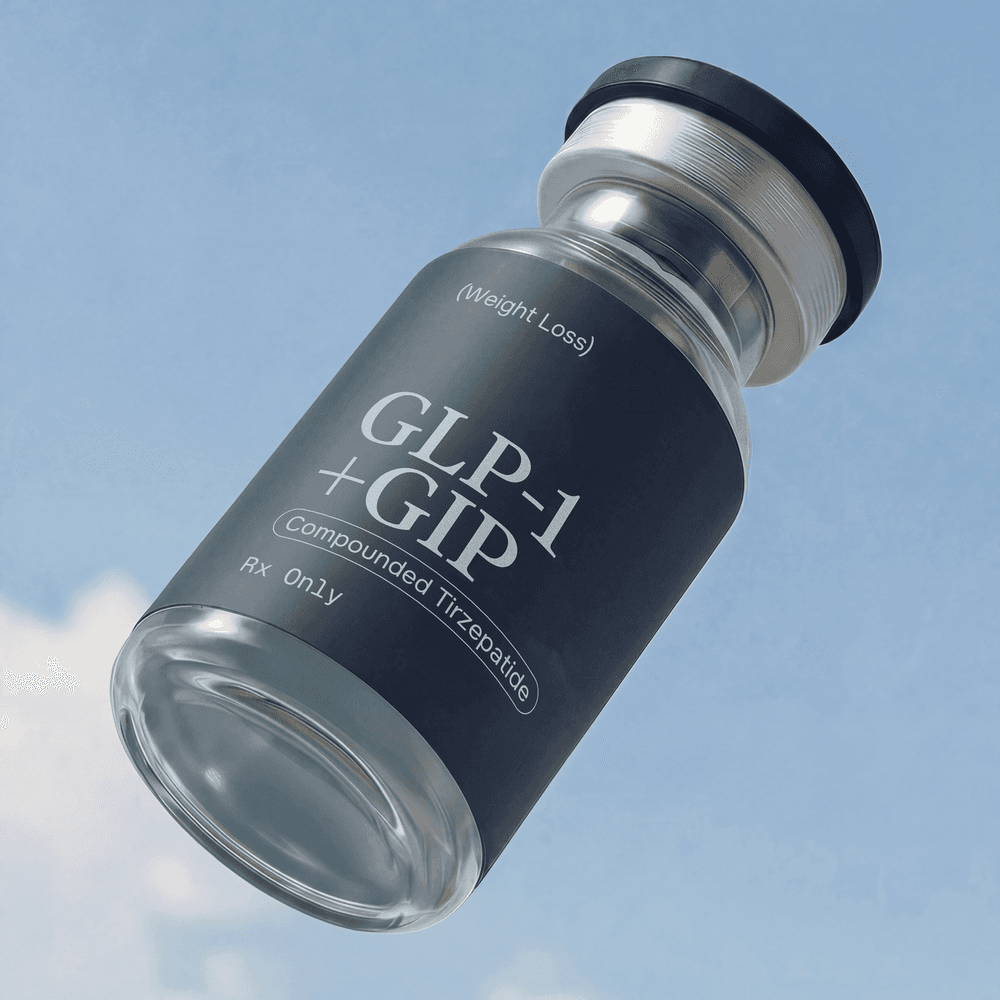
Tirzepatide vial
Weight lossTirzepatide

Dual-action GLP‑1/GIP for faster results

From
$149/mo
Taken
Once-weekly injection
Type
Dual GLP‑1/GIP agonist
Learn more

How Harbor clinicians think about it

Tesamorelin is the conversation when

  • You are an adult with HIV and lipodystrophy and excess abdominal fat, the population its trials studied
  • You want a treatment with an FDA label and formal trial data for your specific situation
  • Your HIV care team can prescribe and monitor it alongside your antiretroviral therapy

Sermorelin is the conversation when

  • You are a generally healthy adult interested in clinician-guided support for recovery, sleep or body composition
  • You understand the adult evidence is limited and want a clinician setting expectations and checking in
  • You want a simple at-home routine with physician review, and you are comfortable with a compounded medication

Neither peptide is for everyone. A physician reviews your goals and full health history, including diabetes, cancer history and pregnancy plans, before deciding whether any growth-hormone-releasing peptide is appropriate.

Harbor does not prescribe tesamorelin. If your situation fits its approved use, the right next step is your HIV care team, and we will tell you so.

This article is for general education and is not medical advice. It is not a substitute for evaluation, diagnosis, or treatment by a licensed clinician. Talk with a qualified clinician about your individual situation.

Harbor is a technology platform. Medical evaluations are conducted by independent, licensed healthcare providers who decide whether treatment is appropriate. Compounded medications are prepared by licensed U.S. pharmacies for individual patients and are not reviewed by the FDA for safety or effectiveness.

Frequently asked questions

Tesamorelin has stronger evidence, not a proven stronger effect for everyone. Its trials showed visceral fat reduction in adults with HIV-associated lipodystrophy. The two have not been compared head to head, so no one can say one is stronger for a healthy adult's goals.

There is no evidence supporting alternating them, and both act on the same receptor. Do not combine or switch between growth-hormone-releasing peptides without your prescriber's direction. Tell your clinician about every peptide or hormone you take.

Tesamorelin is the one with trial data on abdominal fat, but only in adults with HIV and lipodystrophy, and it did not change body weight. Sermorelin is not a fat-loss drug. For general weight loss, a GLP-1 program is a different, better-studied conversation.

Not today. It was approved as Geref (first in 1990) and discontinued by its manufacturer in 2008, and the FDA found it was not withdrawn for safety or effectiveness. Sermorelin is now prescribed as a compounded medication, which the FDA does not review for safety or effectiveness.

Neither is approved to build strength, and neither has good trial evidence for it in healthy adults. Growth hormone plays a role in body composition, but individual responses vary, and training, protein and sleep matter far more to strength than any peptide.

The tesamorelin label recommends monitoring IGF-1 and blood glucose. For sermorelin, your Harbor clinician decides what monitoring makes sense based on your history, and ongoing check-ins are part of the program.

Sources

  1. Theratechnologies. EGRIFTA WR (tesamorelin) prescribing information. DailyMed, National Library of Medicine.
  2. Food and Drug Administration. Determination that GEREF (sermorelin acetate) injection was not withdrawn from sale for reasons of safety or effectiveness. Federal Register, March 4, 2013.
  3. Prakash A, Goa KL. Sermorelin: a review of its use in the diagnosis and treatment of children with idiopathic growth hormone deficiency. BioDrugs. 1999;12(2):139-57.
  4. Walker RF. Sermorelin: a better approach to management of adult-onset growth hormone insufficiency? Clin Interv Aging. 2006;1(4):307-8.
  5. Van Cauter E, Copinschi G. Interrelationships between growth hormone and sleep. Growth Horm IGF Res. 2000;10 Suppl B:S57-62.
  6. U.S. Food and Drug Administration. Compounding and the FDA: questions and answers.