
Start for $99No results? No chargeSame-day approvalNo price increases — everBuy now, pay later

Sermorelin vs Testosterone Therapy: Two Different Levers for Energy and Muscle

One works on your growth hormone signal, the other replaces testosterone. Here is how they differ, who each one is actually for, and why the right choice starts with your labs.

Clinically reviewed
Medically reviewed by Harbor Health TeamMedical Content Team9 min read

At a glance

FDA labeling, Endocrine Society guidance and published sermorelin research

Testosterone therapy

Hormone replacement

ReplacesHow it works

  • Hormone systemTestosterone (testes)
  • FDA statusApproved for diagnosed low T
  • DiagnosisRepeat morning labs
  • Through HarborNot offered
  • What it acts onThe hormone itself
Offered by Harbor
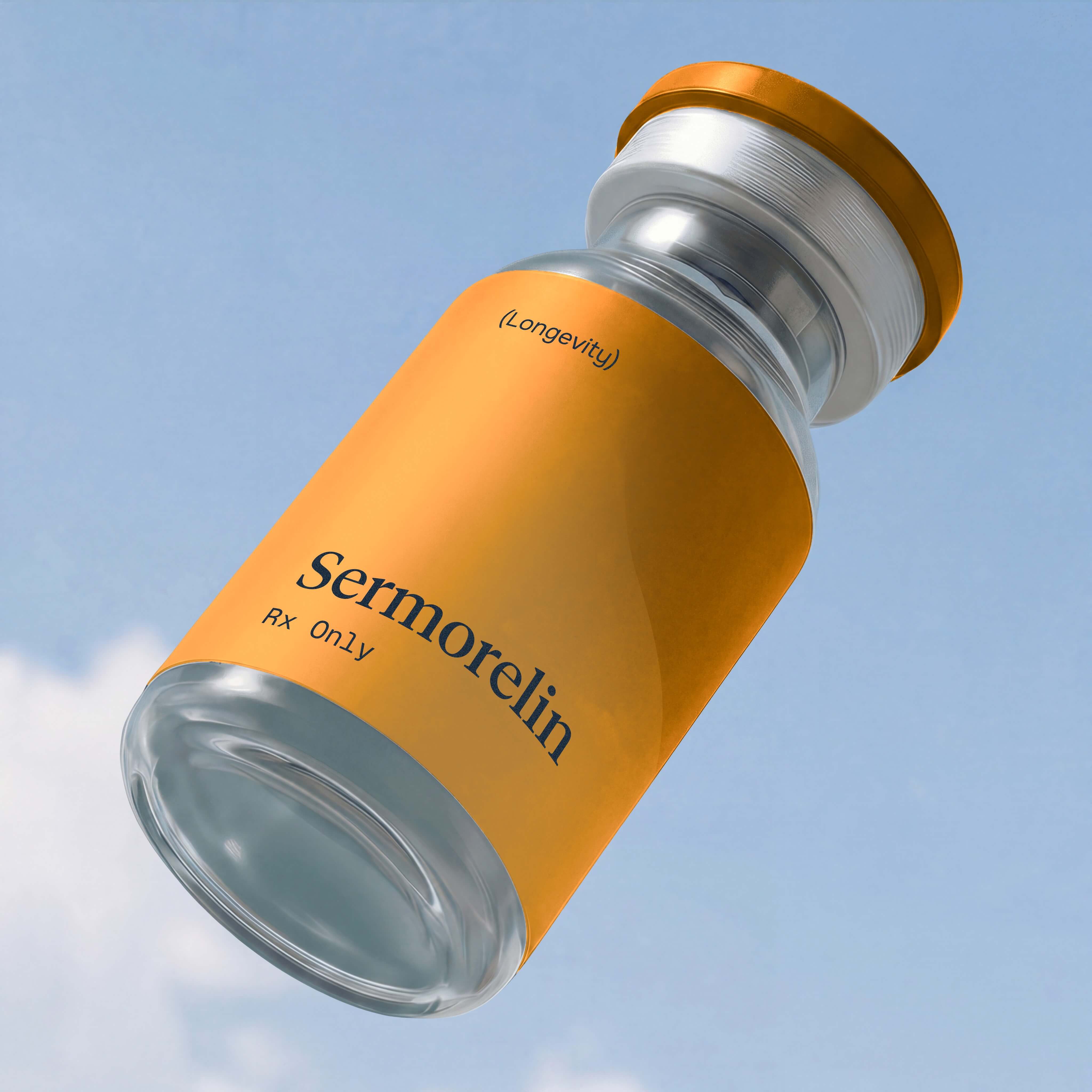
Sermorelin vial

Sermorelin

Growth hormone-releasing peptide

  • Hormone systemGrowth hormone (pituitary)
  • FDA statusCompounded, not FDA-approved
  • DiagnosisSet by your clinician
  • Through HarborFrom $99/mo
  • What it acts onYour own growth hormone

The verdict: They are not substitutes. Testosterone therapy is the FDA-approved treatment when labs confirm low testosterone with a related medical condition, while sermorelin is a clinician-guided signal to your own growth hormone system. Which one fits depends on which system is actually low.

The short answer

Sermorelin and testosterone therapy are often grouped together as hormone treatments. They act on two different hormone systems. Sermorelin prompts your pituitary gland to release more of its own growth hormone. Testosterone therapy replaces testosterone directly.

If a clinician has confirmed low testosterone with symptoms and repeated morning blood tests, testosterone therapy is the treatment with FDA approval and the larger body of evidence behind it. If your testosterone is normal, or you want clinician-guided support for recovery and sleep through your growth hormone system, sermorelin is the one Harbor offers.

The honest starting point is the same for both: find out which system is actually low before choosing a lever. Energy and muscle have many causes, and neither medication fixes the wrong one.

How each one works

Sermorelin: a signal to your pituitary

Sermorelin is a synthetic fragment of growth hormone-releasing hormone. It binds receptors in the pituitary and prompts the gland to make and release its own growth hormone, in pulses rather than as a constant level, because the body's own brake on growth hormone stays in place (Walker, 2006). That is the key difference from injecting growth hormone itself.

Sermorelin acts on the growth hormone system, not on testosterone production. It is prescribed as a compounded medication, which is not FDA-approved, and our explainer on what sermorelin is and how it works covers the background.

Testosterone therapy: replacing the hormone

Testosterone therapy supplies testosterone from outside the body as a gel, patch, buccal system, oral capsule or injection (FDA). It raises blood levels directly rather than asking the body to make more, which is why it can also turn down the body's own production and sperm production. That is the reason guidelines advise against starting it in men planning a pregnancy in the near term (Endocrine Society, 2018).

Who each one is for

Testosterone products are FDA-approved for men who have low testosterone together with an associated medical condition, such as testicular failure or a pituitary problem (FDA). The Endocrine Society recommends diagnosing low testosterone only when there are symptoms and signs of deficiency and fasting morning testosterone is unequivocally low on repeated testing, then looking for the cause (Bhasin, 2018).

Labeling is changing. In February 2025 FDA asked makers to add the results of the TRAVERSE trial and a blood pressure warning to all testosterone products (FDA, 2025), and in June 2026 it requested removal of the label language saying safety and efficacy in age-related low testosterone had not been established (FDA). Diagnosis still starts with symptoms and repeat lab results.

Sermorelin programs are for adults who want a medically guided approach to recovery, body composition and sleep. A board-certified physician reviews your health history and goals before anything is prescribed, and if it is not the right fit, it is not prescribed.

A note for women

Testosterone products in the United States are approved for men (FDA). An international consensus statement found that the only evidence-based use of testosterone in women is for postmenopausal women diagnosed with hypoactive sexual desire disorder after a formal assessment (Davis, 2019), and FDA held a public meeting in September 2026 on the knowledge gaps around off-label use in menopause (FDA). Sermorelin programs are open to adults of any sex, with the same physician review.

Side by side

Sources: FDA testosterone information and 2025 class labeling changes, Endocrine Society guideline (2018), TRAVERSE (NEJM 2023), Walker (2006), Prakash (1999). Harbor price is the published starting price.
AttributeTestosterone therapySermorelin
What it doesReplaces testosterone directlyPrompts the pituitary to release its own growth hormone
Hormone systemTestosterone (testes)Growth hormone (pituitary)
FDA statusApproved for men with low testosterone and an associated condition FDA-approvedCompounded for the individual patient; not FDA-approved
How it is decidedSymptoms plus repeat low morning testosteronePhysician review of history and goals
Evidence baseLarge trials, including TRAVERSE in more than 5,200 men Larger evidenceOlder, smaller studies, mostly in children
Your own productionCan suppress it, including sperm productionWorks through your own pituitary release Own signaling
MonitoringTestosterone, hematocrit and prostate checksClinician check-ins on response and side effects
Through HarborNot offeredFrom $99/mo, HSA/FSA eligible Offered by Harbor

Scroll the table sideways to see both columns →

Safety and monitoring

Testosterone therapy

The Endocrine Society advises against starting testosterone in men planning fertility soon, and in men with breast or prostate cancer, an elevated hematocrit, untreated severe sleep apnea, uncontrolled heart failure, or a heart attack or stroke in the last six months. Once treatment starts, it recommends checking testosterone, hematocrit and prostate cancer risk during the first year (Bhasin, 2018).

The TRAVERSE trial found no meaningful difference in major cardiovascular events between testosterone gel and placebo, 7.0% against 7.3% (Lincoff, 2023; FDA), and FDA removed the cardiovascular-risk language from the boxed warning and added a warning about increased blood pressure (FDA, 2025).

Sermorelin

The most common effects are mild injection-site reactions such as redness, swelling or soreness, and some people notice headache, flushing or nausea early on (Harbor). Most published sermorelin research is older and focused on children with growth hormone deficiency (Prakash, 1999), so evidence in healthy adults is limited and individual responses vary.

Chest pain, shortness of breath, sudden weakness on one side, a painful swollen leg, or a severe allergic reaction after an injection means stop and seek emergency care. Everything else, including a side effect you are unsure about, is a message to your Harbor clinician.

Can you take both?

Some clinicians prescribe sermorelin and testosterone therapy together because they act on different systems, but there is no large trial showing the combination works better than either alone. Whether it makes sense for you is a decision for the clinician who knows your full picture.

Harbor does not prescribe testosterone. If you already take it, or your primary care doctor or endocrinologist is evaluating low testosterone, tell your Harbor clinician at intake so both plans fit together, and keep your lab results in one place, as our guide to tracking blood work suggests.

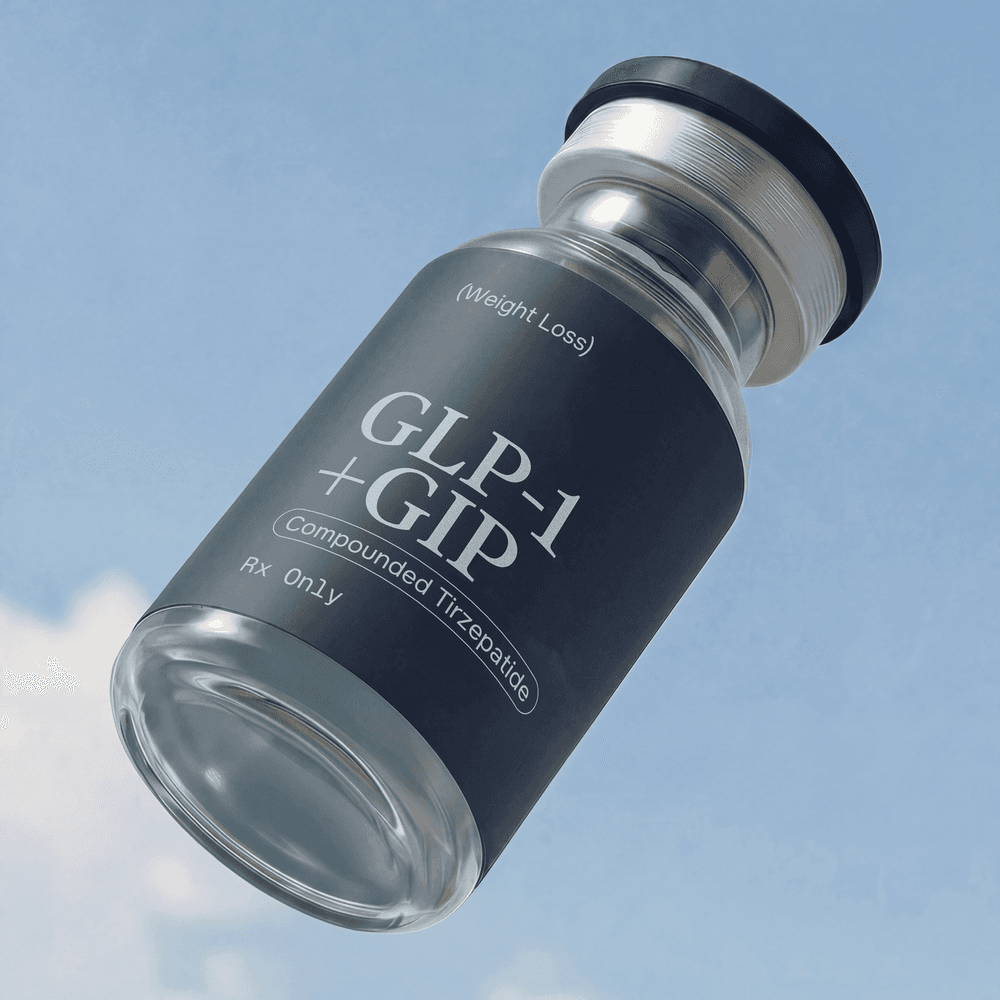
Tirzepatide vial
Weight lossTirzepatide

Dual-action GLP‑1/GIP for faster results

From
$149/mo
Taken
Once-weekly injection
Type
Dual GLP‑1/GIP agonist
Learn more

How Harbor clinicians think about it

The choice is rarely between a good option and a bad one. It is about matching the lever to the system that is actually underperforming.

Start with a testosterone evaluation when

  • You have symptoms such as low libido, erectile problems or loss of morning erections, alongside fatigue or low mood
  • You have never had a fasting morning testosterone test, or had only one
  • You have a condition linked to low testosterone, such as a pituitary disorder or a history of chemotherapy
  • You are a man with symptoms and want the option with FDA approval for diagnosed low testosterone

Consider sermorelin when

  • Your testosterone has been checked and is normal, and you want to discuss growth hormone support with a clinician, knowing the adult evidence is limited
  • You prefer working with your own growth hormone signaling rather than replacing a hormone
  • You want a clinician-guided program with a simple at-home injection and ongoing check-ins
  • You are comfortable with the evidence being early

Strength training and adequate protein matter for muscle whichever path you take, as Harbor's piece on why muscle mass matters explains.

Neither medication is a shortcut past a diagnosis. Labs first, then the lever that matches them, then a follow-up plan to see whether it is working.

This article is for general education and is not medical advice. It is not a substitute for evaluation, diagnosis, or treatment by a licensed clinician. Talk with a qualified clinician about your individual situation.

Harbor is a technology platform. Medical evaluations are conducted by independent, licensed healthcare providers who decide whether treatment is appropriate. Compounded medications are prepared by licensed U.S. pharmacies for individual patients and are not reviewed by the FDA for safety or effectiveness.

Frequently asked questions

Sermorelin works on your growth hormone system by prompting the pituitary to release its own growth hormone ( Walker, 2006 ). It is not a testosterone treatment, and if your testosterone is low, the evaluation and treatment for that are separate.

Some clinicians prescribe both because they act on different systems, but no large trial has shown the combination works better than either alone. Tell your Harbor clinician about any testosterone you take so your plans fit together.

They have different risk profiles, so a direct safety ranking is not meaningful. Testosterone has well-described risks and monitoring needs with a large evidence base, while sermorelin's common effects are usually mild but its research in healthy adults is limited.

Injection-site redness or soreness is the most common effect, and some people notice headache, flushing or nausea early on ( Harbor ). It is a compounded medication, not FDA-approved, and results vary from person to person.

Sermorelin is not an anabolic steroid and does not replace testosterone. Responses vary and no specific result can be promised.

No. Harbor's longevity programs include sermorelin, NAD+ and glutathione. If you have symptoms of low testosterone, your primary care doctor or an endocrinologist can order the right tests and discuss treatment.

Sources

  1. U.S. Food and Drug Administration. Testosterone Information.
  2. U.S. Food and Drug Administration. FDA issues class-wide labeling changes for testosterone products (2025).
  3. Bhasin S, et al. Testosterone Therapy in Men With Hypogonadism: An Endocrine Society Clinical Practice Guideline. J Clin Endocrinol Metab. 2018.
  4. Lincoff AM, et al. Cardiovascular Safety of Testosterone-Replacement Therapy (TRAVERSE). N Engl J Med. 2023.
  5. Davis SR, et al. Global Consensus Position Statement on the Use of Testosterone Therapy for Women. J Clin Endocrinol Metab. 2019.
  6. U.S. Food and Drug Administration. Public Meeting: Testosterone Use in Menopausal Women (2026).
  7. Walker RF. Sermorelin: a better approach to management of adult-onset growth hormone insufficiency? Clin Interv Aging. 2006.
  8. Prakash A, Goa KL. Sermorelin: a review of its use in the diagnosis and treatment of children with idiopathic growth hormone deficiency. BioDrugs. 1999.
  9. U.S. Food and Drug Administration. Compounding and the FDA: Questions and Answers.