

What glutathione is, and why levels drop
Glutathione is a small molecule your body makes in every cell from three amino acids: glutamate, cysteine and glycine. It is one of the main ways cells neutralize oxidative stress, the chemical wear that comes with metabolism, illness and everyday exposures. Of the three building blocks, cysteine is usually the one in shortest supply, so it sets the pace of how much glutathione a cell can make (Giustarini et al., 2023).
Levels are not fixed. In most conditions where oxidative stress plays a role, glutathione concentrations run lower, and heavy drinking, smoking and poor sleep are all linked to lower levels in studies. That is the practical point of this guide: you cannot take glutathione the way you take a vitamin and expect it to land in your cells, but you can give your body what it needs to make more of its own.
There is no routine blood test for glutathione in everyday care, and no validated list of symptoms that tells you your levels are low. Tiredness alone cannot be used to diagnose low glutathione. If you want the wider picture of what Harbor's clinicians look at, our overview of glutathione therapy covers who considers it and why.
Food first: protein, sulfur and two key nutrients
The most reliable lever is protein, because protein is where cysteine comes from. Whey protein stands out in the research: it is rich in cysteine-containing proteins, and several clinical studies found that whey protein isolate taken for several weeks raised glutathione in healthy adults and in people with chronic illness (Giustarini et al., 2023). Eggs, poultry, fish, dairy, beans and lentils all supply cysteine too.
Cruciferous vegetables (broccoli, Brussels sprouts, kale, cabbage) contain sulforaphane, a compound that switches on the cell's own glutathione-making machinery in lab studies. There is not yet direct evidence that eating more of them raises glutathione in people. They are still worth a daily place on your plate for fiber and overall diet quality, just not as a guaranteed booster.
Some foods contain glutathione itself, including asparagus, avocado and spinach, and several are also good cysteine sources, such as asparagus and red bell pepper. Most dietary glutathione is broken down during digestion, so think of these foods as helpful raw material rather than a direct top-up.
- Aim for a real protein source at breakfast, lunch and dinner, not just at dinner.
- Add one cruciferous vegetable and one allium (garlic, onion, leek) most days.
- If you use a protein shake, whey isolate has the most glutathione-specific research behind it.
Two nutrients come up in almost every article on this topic. Both matter for antioxidant defense, and both are easy to overdo with supplements, so food is the sensible route for most people.
Vitamin C
Vitamin C helps recycle other antioxidants. In one small study, 500 mg a day for two weeks raised glutathione in red blood cells of healthy adults, although reviews note there is still no clear clinical evidence that vitamin C reliably raises glutathione for everyone (Giustarini et al., 2023). The recommended amount is 90 mg a day for men and 75 mg for women, plus 35 mg if you smoke, and the adult upper limit is 2,000 mg a day (NIH Office of Dietary Supplements). A kiwi and a bell pepper cover the recommendation.
Selenium
Selenium is needed to help protect cells, and adults need 55 mcg a day. The upper limit is 400 mcg a day from all sources combined, and too much causes hair and nail loss, a metallic taste and, in severe cases, heart and kidney problems. A single Brazil nut holds about 68 to 91 mcg, which covers the daily need on its own; several a day, every day, can approach the upper limit (NIH Office of Dietary Supplements).
A simple daily routine, step by step
None of this needs to be complicated. Here is a simple version to start with, built only from the habits above.
- 01
Step 1: Anchor each meal with protein
Roughly a palm-sized portion of eggs, fish, poultry, tofu, beans or Greek yogurt at breakfast, lunch and dinner. Protein supplies the cysteine your cells run short of first.
Cysteine is the rate-limiting building block.
- 02
Step 2: Add a cruciferous or allium vegetable
One serving of broccoli, kale, cabbage, garlic or onion most days. Preparing a batch at the start of the week makes this easier to keep up.
- 03
Step 3: Eat one vitamin C food
Citrus, kiwi, strawberries or bell pepper. Food easily meets the daily recommendation without a supplement.
- 04
Step 4: Cover selenium without overshooting
Fish, eggs and whole grains carry selenium. If you like Brazil nuts, keep it to one, not a handful.
The upper limit is 400 mcg a day from all sources.
- 05
Step 5: Move three times a week
Around 40 minutes of combined walking or cycling and light strength work, three days a week. That is the pattern used in the trial described below.
- 06
Step 6: Protect a regular sleep window
Seven or more hours at a consistent time. Weekly sleep debt is linked with lower brain glutathione in research.
Sleep, exercise, alcohol and smoking
Lifestyle habits have some of the clearest signals in the research, partly because they are easier to measure over weeks than a single food.
Exercise
In a randomized trial of 80 healthy sedentary adults, six weeks of training (40 minutes, three days a week) raised resting glutathione in every exercise group, and combining aerobic work with circuit weight training had the largest effect (Elokda and Nielsen, 2007). Build up gradually; very hard training without recovery raises oxidative stress rather than lowering it.
Sleep
A 2025 imaging study found that adolescents with more weekly sleep loss had lower glutathione in the brain's cortex (Ma et al., Sleep, 2025). It shows an association rather than cause and effect, but it lines up with a simple habit: keep a regular sleep window.
Alcohol and smoking
Breaking down alcohol uses up glutathione. Liver glutathione was markedly lower in people with chronic heavy drinking than in controls, even before liver damage showed up (Jewell et al., 1986). Cigarette smoke drives oxidative stress in the lungs and has been shown to deplete glutathione in lung tissue in animal studies. Cutting back on both is one of the few changes that removes a drain instead of adding a supply.
Oral glutathione and NAC: what the evidence shows
Swallowed glutathione has low bioavailability: much of it is broken into its amino acids in the gut, and cells take up very little intact. For years that made oral supplements look pointless, but one longer trial complicates the picture.
In a six-month randomized, placebo-controlled trial, 54 healthy non-smoking adults took 250 mg or 1,000 mg of oral glutathione a day. Blood glutathione rose at both doses, by 30 to 35 percent in red blood cells, plasma and lymphocytes at the higher dose, and levels returned to baseline within a month of stopping (Richie et al., 2015). That is a real effect in a small study; it does not show what, if anything, it changes in how people feel or in long-term health.
N-acetylcysteine, or NAC, supplies cysteine in a more stable form and is the best-studied glutathione precursor. It has been used in medicine for decades as an expectorant and as emergency treatment for acetaminophen poisoning (Giustarini et al., 2023). Those are specific medical uses; as an everyday supplement its benefits for healthy people are much less established, and it can interact with some medications.
Check before you stack
If you take prescription medication, are pregnant, or manage a chronic condition, ask a clinician before starting glutathione, NAC or high-dose vitamin C. Harbor members can message their care team through the patient portal.
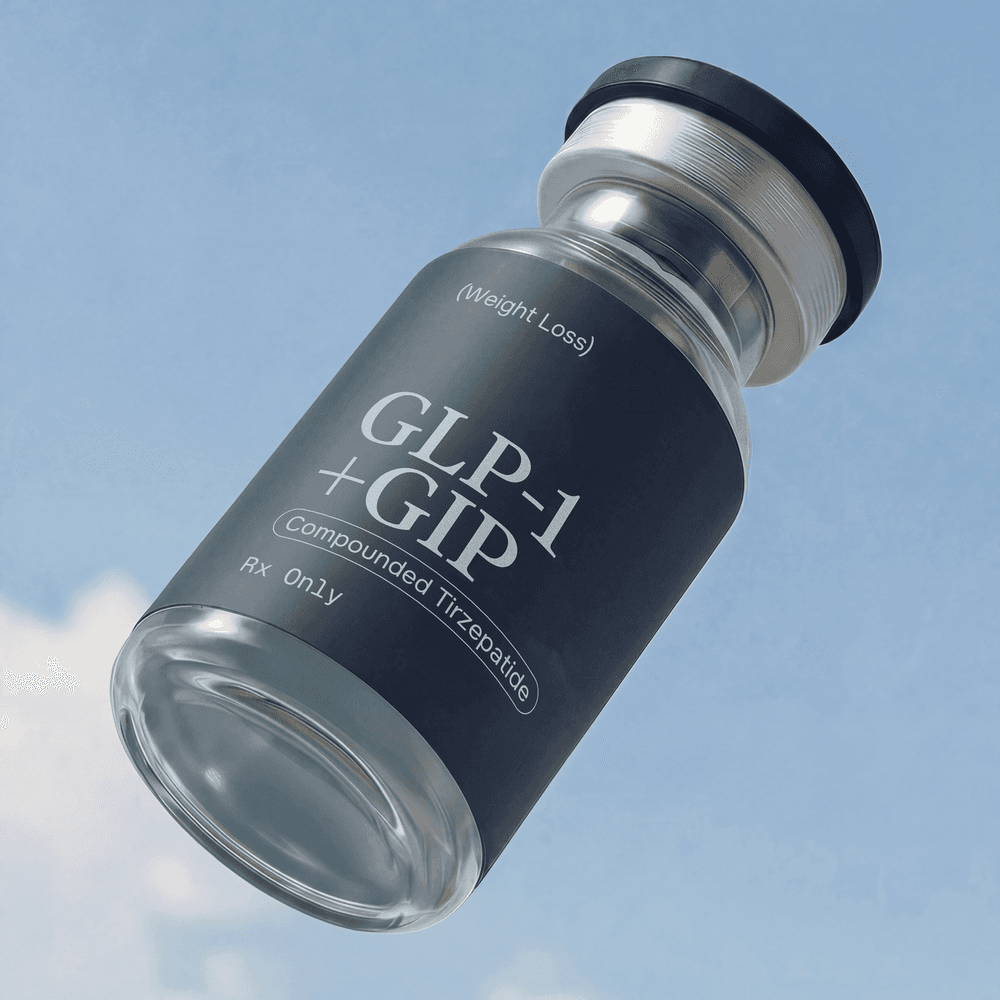
Dual-action GLP‑1/GIP for faster results
- From
- $149/mo
- Taken
- Once-weekly injection
- Type
- Dual GLP‑1/GIP agonist
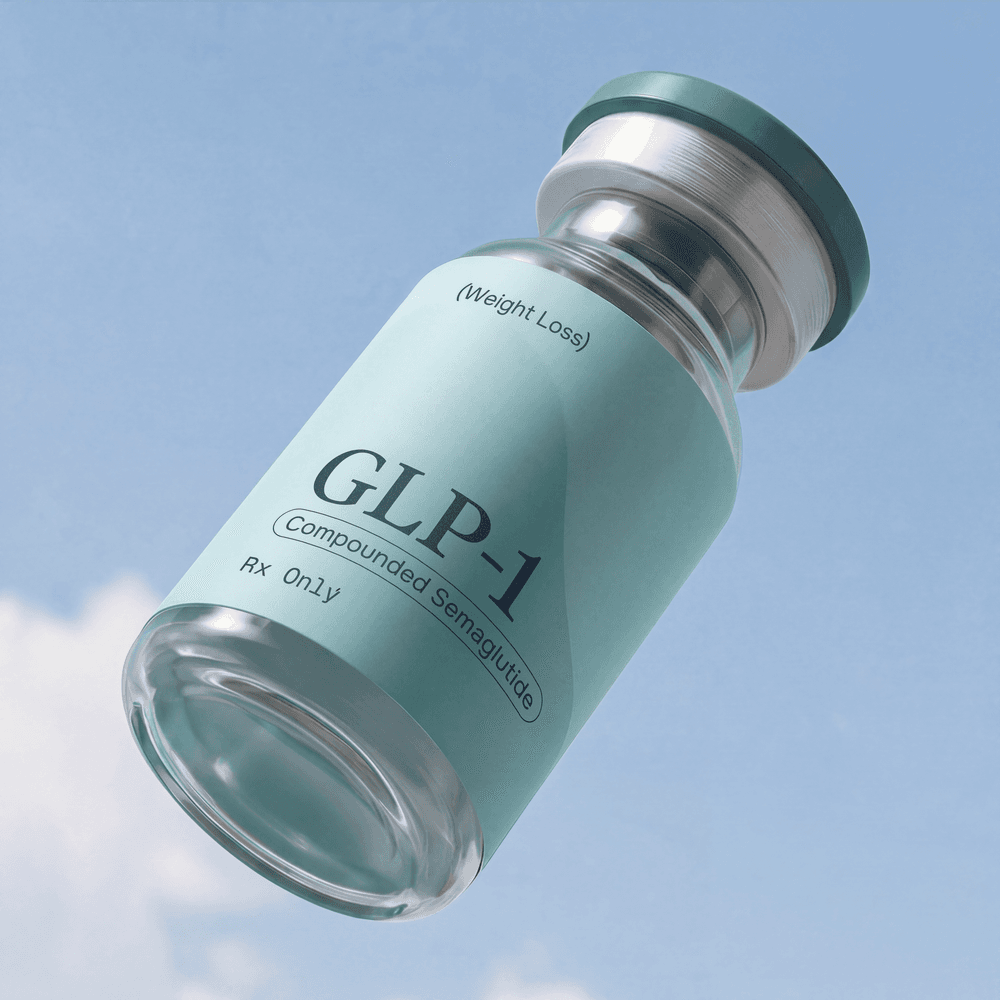
GLP‑1 for steady results
- From
- $99/mo
- Taken
- Once-weekly injection
- Type
- GLP‑1 receptor agonist
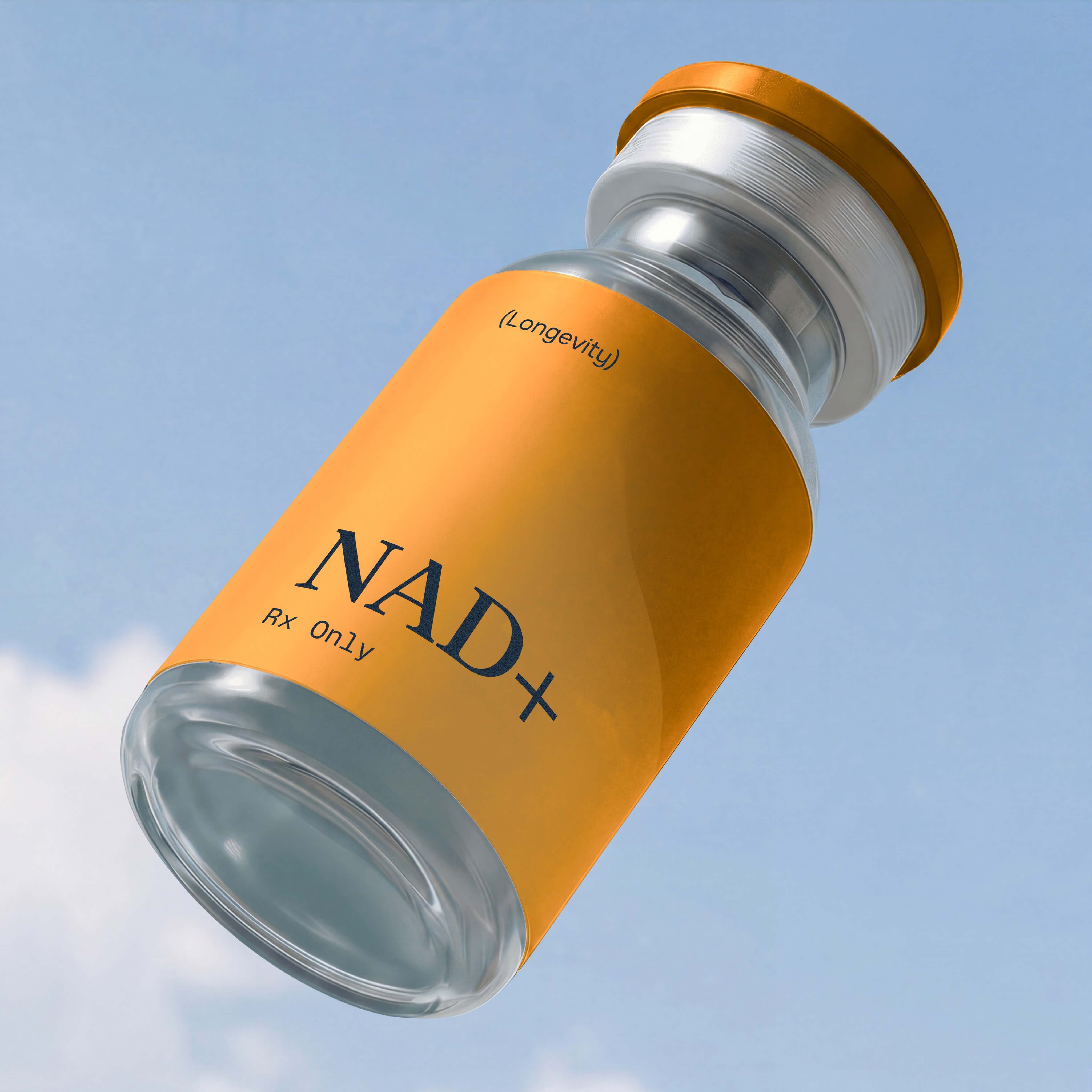
Cellular energy & healthy aging
- From
- Pricing soon
- Taken
- Self-injected at home
- Type
- Coenzyme found in every cell
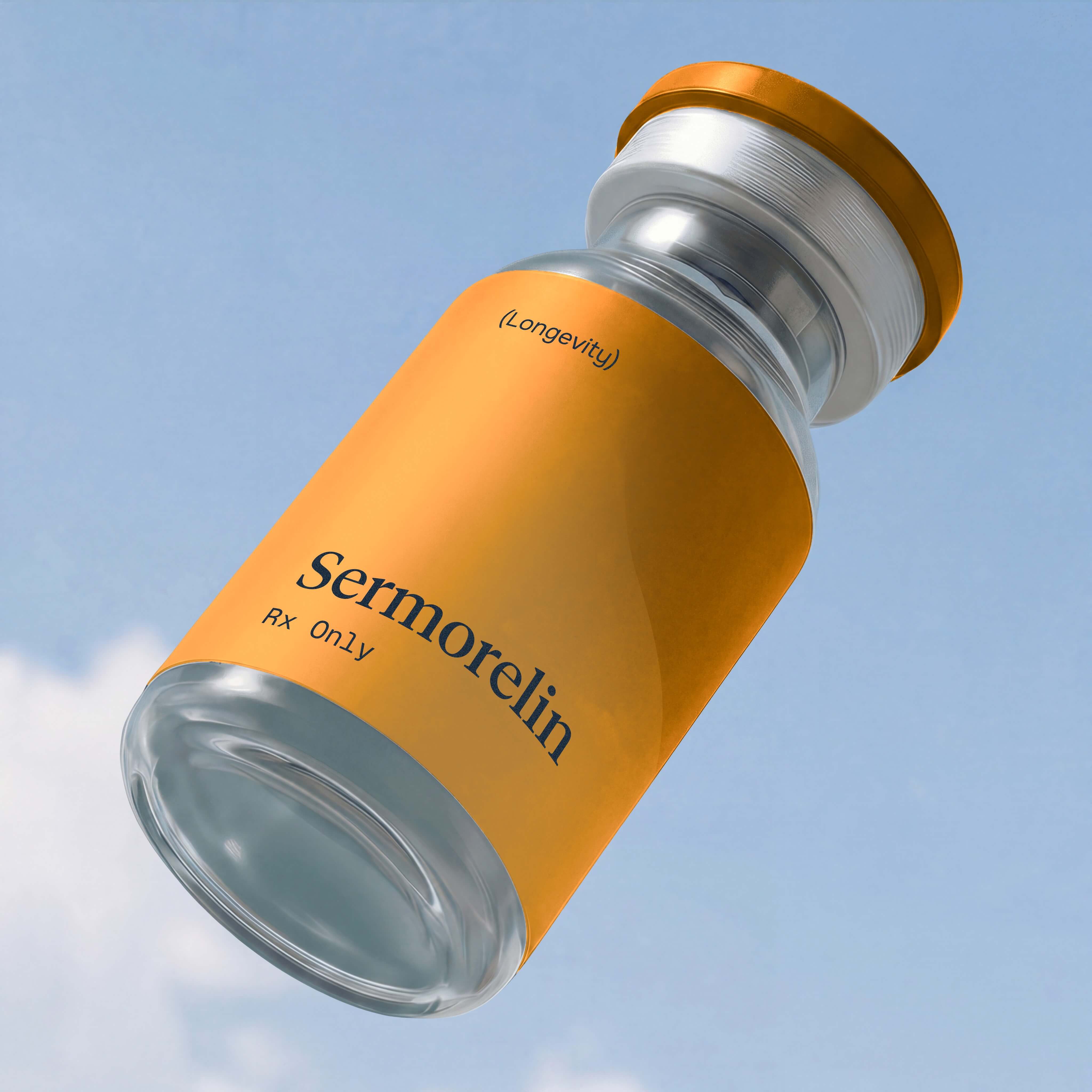
Growth hormone support
- From
- Pricing soon
- Taken
- Self-injected at home
- Type
- Growth hormone-releasing peptide
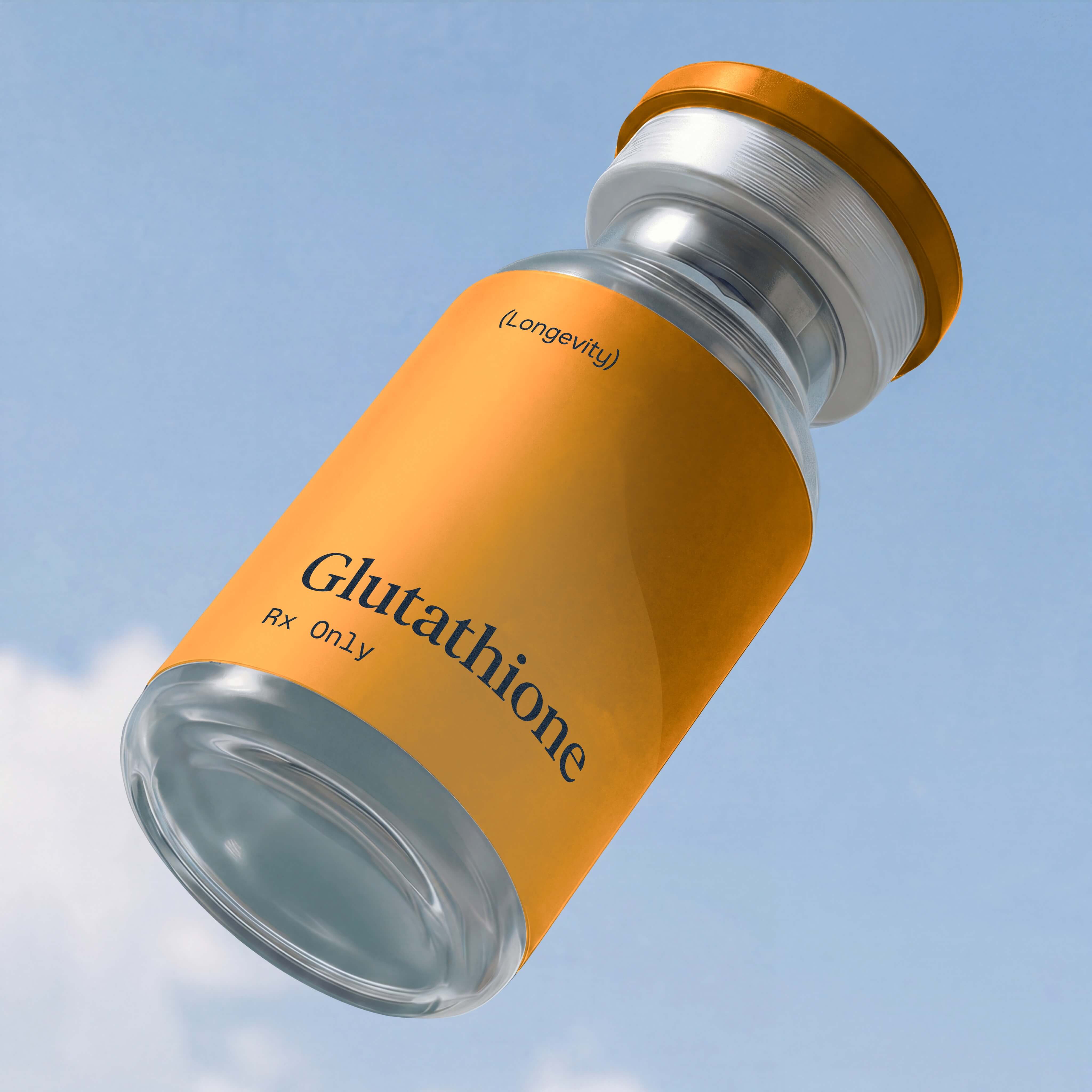
Antioxidant support
- From
- Pricing soon
- Taken
- Self-injected at home
- Type
- Your body’s primary antioxidant
When a clinician might add injections
Some adults who have the basics in place want clinician-guided antioxidant support for overall wellness. That is who Harbor's glutathione program is built for. A board-certified physician reviews your goals and health history first, and if it is not the right fit, it is not prescribed.
Be clear-eyed about the evidence. Reviews describe injected and other non-oral routes of glutathione as problematic or ineffective at raising cellular levels in the studies done so far, and human research on injections for general wellness is limited (Giustarini et al., 2023). A program supports your levels under clinician guidance rather than promising a specific result, and individual responses vary.
Glutathione injections are prescription-only. In an Harbor program they are compounded by licensed U.S. pharmacies for the individual patient; compounded medications are not reviewed by the FDA for safety or effectiveness. They are self-administered as a small injection under the skin at home, on a schedule your clinician sets, with check-ins so the plan can be adjusted. The most common effects are mild injection-site redness or soreness; stomach upset is uncommon and allergic reactions are rare.
Seek care now
Trouble breathing, swelling of the face, lips or throat, or hives spreading across your body after an injection mean call 911 or go to the nearest emergency room. Redness or soreness at the site, or anything else that feels off, is a message to your Harbor clinician, not an emergency.
Frequently asked questions
There is no shortcut that works in a day. The strongest human data point to a few weeks of adequate protein (whey isolate has the most research), regular exercise, enough sleep and less alcohol. In one trial, oral glutathione raised blood levels within a month, and those levels fell back after stopping.
There is no validated symptom list and no routine clinical test for it. Tiredness, poor recovery or dull skin have many causes. If you feel persistently unwell, talk to a clinician about common, testable causes like iron, thyroid or vitamin levels rather than assuming glutathione is the issue.
Asparagus, avocado and spinach contain glutathione itself, but most of it is broken down during digestion. Protein foods rich in cysteine (whey, eggs, poultry, fish, legumes) matter more, because cysteine is the building block your cells run short of first.
Heavy alcohol use, smoking, ongoing illness and other sources of oxidative stress all draw it down, and lower levels are seen with sleep loss in research. Low protein intake limits how much your body can make in the first place.
They work on the same pathway, so there is no clear reason to combine them without a specific plan. NAC can interact with some medications, and glutathione injections are prescription-only. Ask a clinician which, if either, makes sense for you.
No glutathione injection is FDA-approved for wellness or antioxidant support. In an Harbor program, glutathione is compounded by a licensed U.S. pharmacy for the individual patient after a physician review; compounded medications are not reviewed by the FDA for safety or effectiveness.
Sources
- Giustarini D, Milzani A, Dalle-Donne I, Rossi R. How to Increase Cellular Glutathione. Antioxidants. 2023;12(5):1094.
- Richie JP Jr, et al. Randomized controlled trial of oral glutathione supplementation on body stores of glutathione. Eur J Nutr. 2015;54(2):251-263.
- Elokda AS, Nielsen DH. Effects of exercise training on the glutathione antioxidant system. Eur J Cardiovasc Prev Rehabil. 2007;14(5):630-637.
- Ma J, et al. Weekly sleep loss is associated with reduced cortical glutathione and antioxidant capacity in adolescents. Sleep. 2025;48(11):zsaf245.
- Jewell SA, et al. Decreased hepatic glutathione in chronic alcoholic patients. J Hepatol. 1986;3(1):1-6.
- NIH Office of Dietary Supplements. Vitamin C: Fact Sheet for Consumers.
- NIH Office of Dietary Supplements. Selenium: Fact Sheet for Consumers.
Keep reading
All 129 articles → Longevity
Sermorelin vs Tesamorelin: Which Growth-Hormone Peptide Fits Your Goals
Two growth-hormone-releasing peptides that work through the same pathway, with very different approvals, evidence and access. Here is how they compare, and how Harbor's clinicians think about the choice.
By Harbor Health Team
- Longevity
Sermorelin vs CJC-1295: Why Prescription Status Matters More Than Half-Life
CJC-1295 stays in the body for days. Sermorelin clears in minutes. Only one of them can be prescribed and compounded for you by a licensed pharmacy, and that is the difference that decides this comparison.
By Harbor Health Team
- Longevity
Sermorelin vs Testosterone Therapy: Two Different Levers for Energy and Muscle
One works on your growth hormone signal, the other replaces testosterone. Here is how they differ, who each one is actually for, and why the right choice starts with your labs.
By Harbor Health Team