

Can you take them together?
Yes. People prescribed both NAD+ and glutathione are commonly given the same schedule, often on the same day, and no interaction between the two has been documented in the research so far. That is the short answer. The longer one has two parts.
First, "no known interaction" is not the same as "proven to work better together." The two molecules do different jobs in your cells, which is why they are often prescribed as a pair, but no clinical trial has tested injected NAD+ and injected glutathione against either one alone. A clinician who prescribes both is making a judgment about your goals, not following a published combination protocol.
Second, the decision belongs to your clinician, not to a supplement label. Both are prescription-only in an Harbor program, compounded for you by a licensed U.S. pharmacy, and dispensed only after a board-certified physician reviews your health history. If pairing them is not the right fit for you, they are not prescribed together. Like all compounded medications, these preparations are not FDA-approved, which is one more reason the prescribing decision sits with a physician.
What each one does
NAD+ (nicotinamide adenine dinucleotide) is a coenzyme your cells use for the chemical reactions that turn food into usable energy, and it also supports enzymes involved in DNA repair and cell maintenance. A 2021 review in Nature Reviews Molecular Cell Biology describes a gradual decline in NAD+ levels with age in both rodents and humans, which is why it has become a focus of healthy-aging medicine. Our NAD+ guide covers the basics.
Glutathione is the most abundant antioxidant your body makes on its own, as a 2015 randomized trial of glutathione supplementation describes it. It is produced in every cell and helps neutralize oxidative stress, the kind of wear that comes with age, illness and everyday exposures. Read more in our glutathione guide.
The two also sit in overlapping chemistry. The enzyme that recycles used glutathione back into its active form runs on NADPH, a close relative that cells build from NAD+. That connection is the usual reason the pair gets discussed together.
The part worth knowing. Commercial NAD+ and glutathione programs have grown faster than the research behind them. A 2026 retrospective pilot study in Frontiers in Aging noted that intravenous NAD+ is widely offered despite limited evaluation of its safety and effectiveness. Treatment is aimed at supporting your levels with a clinician watching how you respond, and responses differ from person to person.
Order and timing
There is no clinical trial that establishes an ideal order, so anyone who tells you NAD+ must come first, or last, is offering a preference rather than evidence. Your clinician sets the schedule. In practice it usually lands on one of two patterns.
Same day, back to back
Both injections in one sitting, each from its own syringe, into two separate sites. This is the simplest routine to remember and the one many people settle on. If one of the two tends to leave you queasy, do that one second so you are already sitting down with the routine finished.
Alternating days
One medication on one day, the other on another. Clinicians sometimes prefer this at the start, because if a new side effect shows up you know which medication caused it. It also suits anyone who would rather keep each session to a single injection.
Whichever pattern you are given, the bigger factor is consistency. Pick a time of day you will actually keep, tie it to something already fixed in your week, and keep your two medications on their own dedicated shelf in the fridge so a dose is never grabbed from the wrong vial.
Your injection-day routine, step by step
This is the version for a back-to-back day. On an alternating schedule, run the same steps once for whichever medication is due.
- 01
Step 1: Lay everything out
Both vials, two syringes, wipes, gauze and the sharps container on a clean surface. Follow your pharmacy's storage instructions, and if your vials are refrigerated, set them out for a few minutes first. A cold injection stings more than a room-temperature one.
- 02
Step 2: Wash your hands
Soap and warm water for twenty seconds, then dry them fully. It is the step people skip and the one that prevents infection.
- 03
Step 3: Check both labels
Your name, the medication, the concentration and the expiry, on each vial. Look at each liquid. If either is cloudy, discolored or has particles in it, stop and message your care team.
Two similar vials are the most common setup for a mix-up, so read both every time.
- 04
Step 4: Draw the first dose
Wipe the vial top and let it dry. Draw exactly the amount on your prescription into the first syringe, clear any air bubbles, and set it down on a clean surface with the cap back on.
- 05
Step 5: Draw the second dose in a new syringe
Repeat with the second vial and the second syringe. Never draw both medications into the same syringe unless your pharmacy or clinician has specifically told you it is safe for your preparations.
Compounded preparations are made for you individually. Whether two of them can share a syringe is a question for the pharmacy that prepared them.
- 06
Step 6: Inject into two separate sites
Use two different spots, such as each side of your abdomen or one abdomen and one thigh, and keep a rotation so no single area gets used week after week. Clean each site with its own wipe and let it dry. Push each plunger slowly and steadily.
- 07
Step 7: Dispose of both syringes
Straight into the sharps container, uncapped needles and all. The FDA recommends a puncture-resistant sharps container and never reusing needles.
- 08
Step 8: Log both doses
Which medication, how much, which site, and how you felt. Two lines in your log take under a minute, and they are what lets your clinician tell which medication is behind a side effect.
For the fundamentals of subcutaneous technique, including how to choose and rotate sites, MedlinePlus has a clear walkthrough.
How dosing is decided
You will not find a dose chart here, and that is deliberate. Your dose of each medication is set by your clinician and printed on your prescription. Numbers you see online come from different products, different pharmacies and different concentrations, so a figure that is right for someone else's vial can be wrong for yours.
When a clinician sets the dose and schedule for a pair like this, they weigh:
- Your goals and what you are hoping the program supports
- Your health history and every other medication and supplement you take
- The concentration of the preparations your pharmacy dispenses
- How you tolerated your first doses, which is why they often start conservatively
- Anything you have noticed since, from your log and your check-ins
If a dose feels too strong, or not noticeable at all, the fix is a message to your clinician, not an adjustment of your own. Doubling up or stretching a vial changes the amount you are getting in ways that are hard to undo.
Side effects to know for each
Both are generally well tolerated, and most side effects are mild and short-lived. Knowing which belongs to which makes it easier to report them accurately.
NAD+
The most common effects are mild injection-site reactions such as redness or soreness. Some people notice temporary nausea, headache or fatigue as their body adjusts, especially early on. In the 2026 pilot study above, NAD+ given as an intravenous infusion was linked to moderate to severe stomach symptoms, a faster heart rate and chest pressure during infusions. That study involved IV drips, not the small subcutaneous injections used at home, but it is a reason to report anything unusual rather than push through it.
Glutathione
Mild injection-site redness or soreness is the most common effect. Stomach upset is uncommon, and allergic reactions are rare.
If you start both on the same day and something new appears, you will not know which one caused it. That is the practical case for starting on alternating days, and your clinician may suggest pausing one briefly to find out.
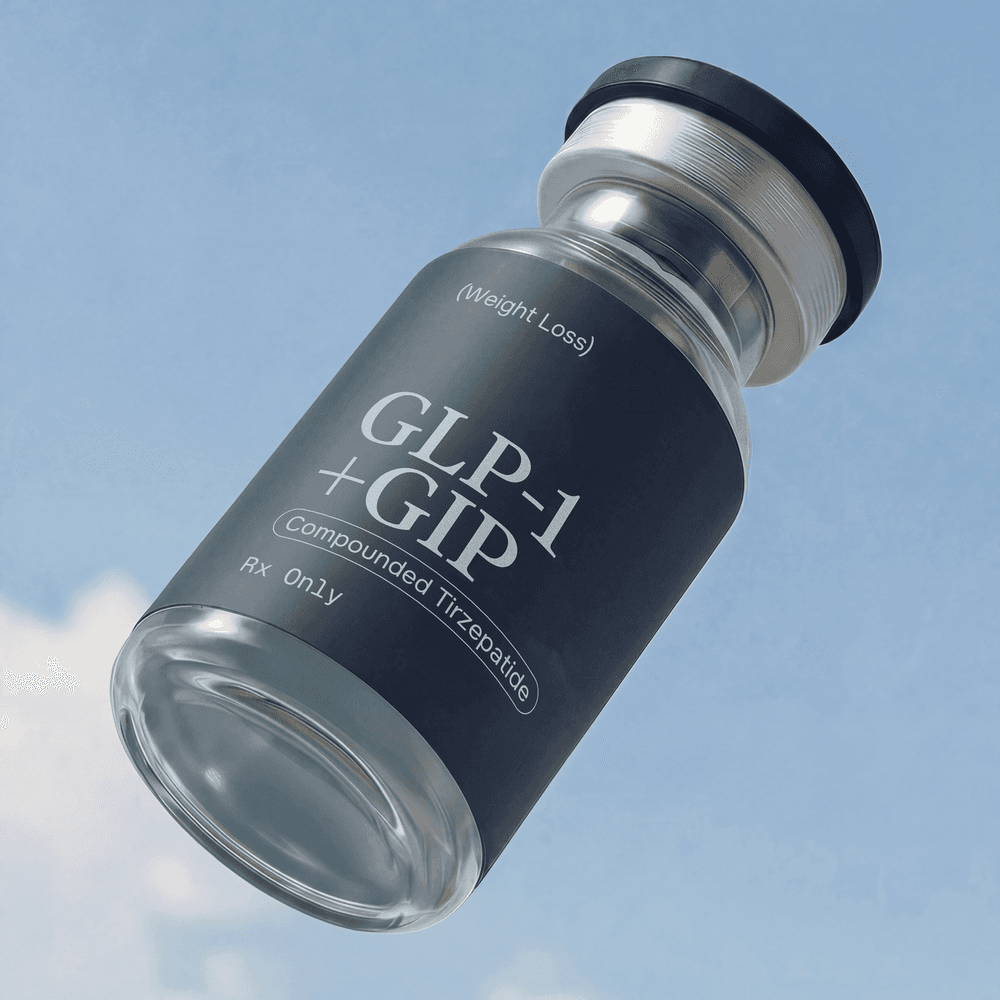
Dual-action GLP‑1/GIP for faster results
- From
- $149/mo
- Taken
- Once-weekly injection
- Type
- Dual GLP‑1/GIP agonist
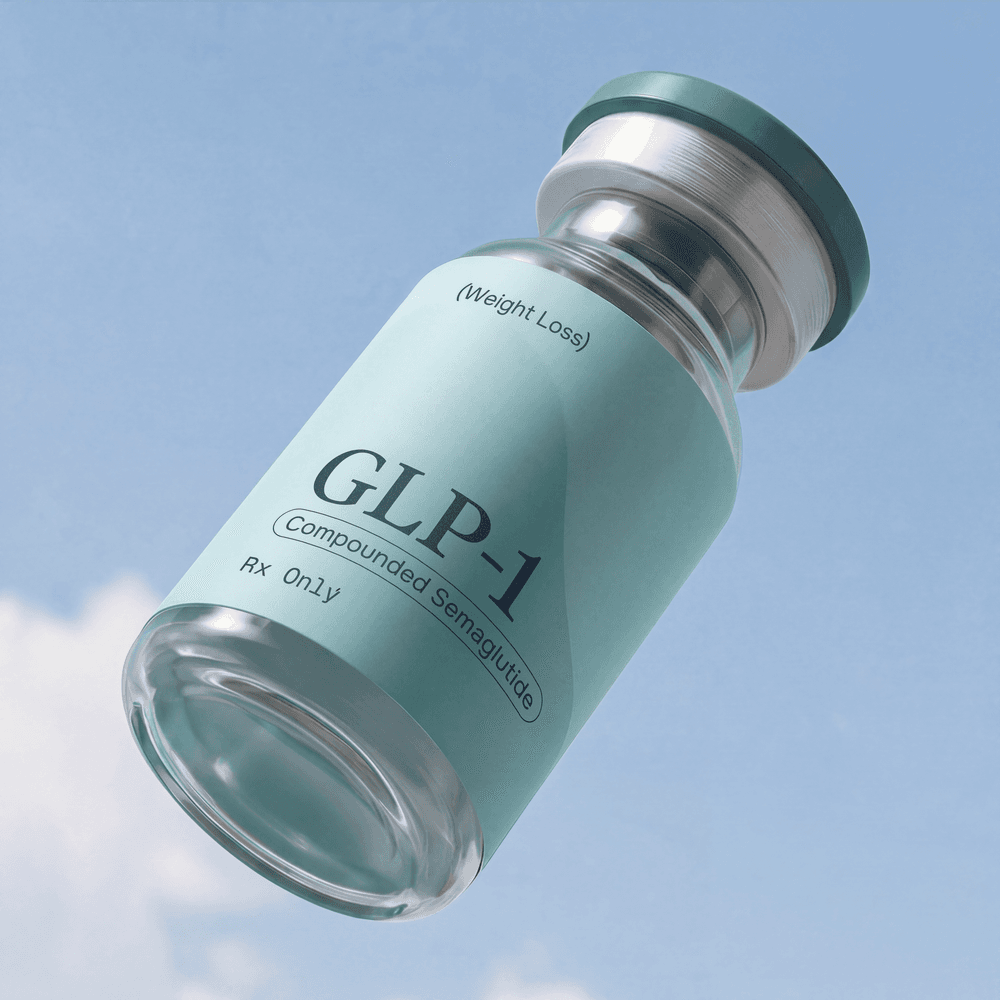
GLP‑1 for steady results
- From
- $99/mo
- Taken
- Once-weekly injection
- Type
- GLP‑1 receptor agonist
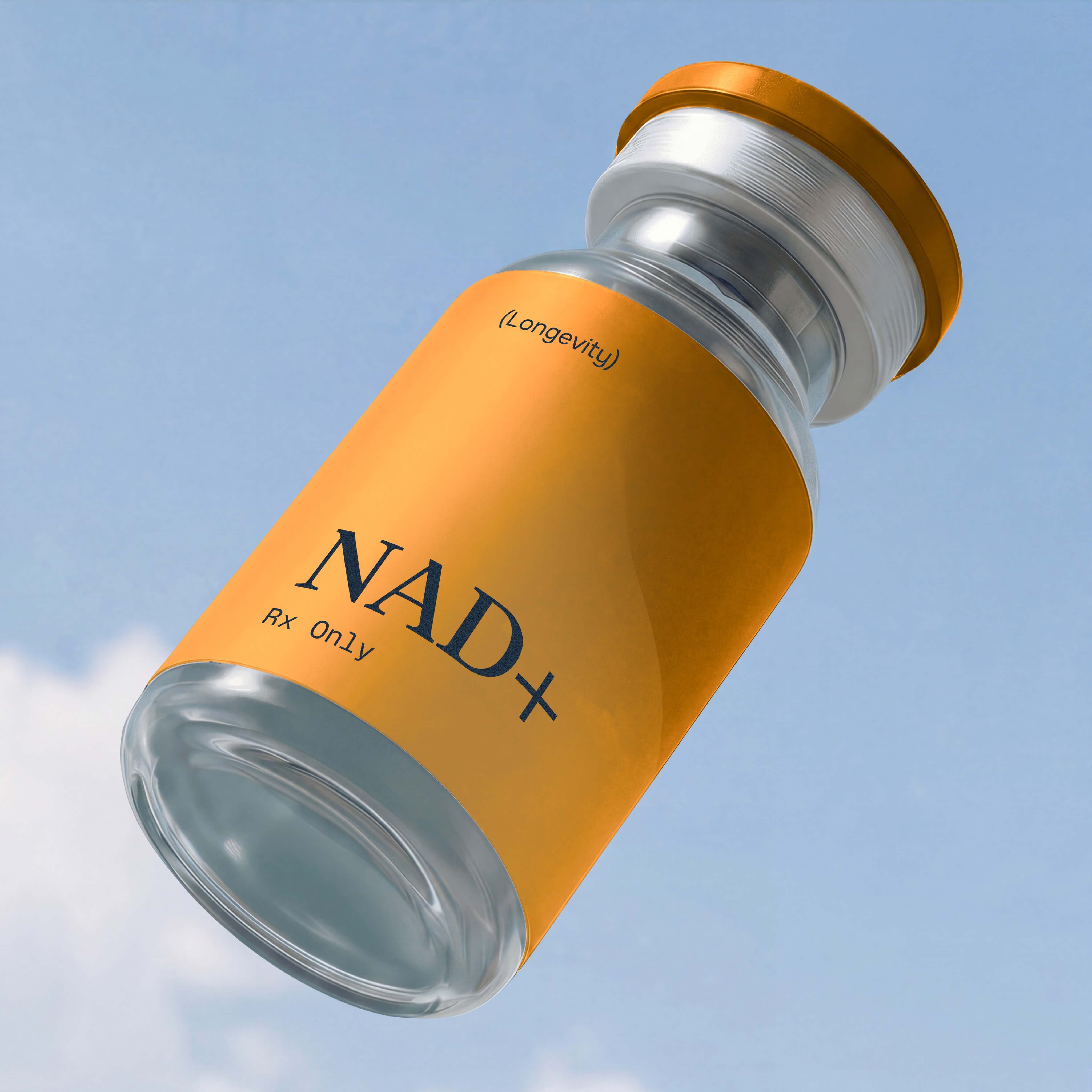
Cellular energy & healthy aging
- From
- Pricing soon
- Taken
- Self-injected at home
- Type
- Coenzyme found in every cell
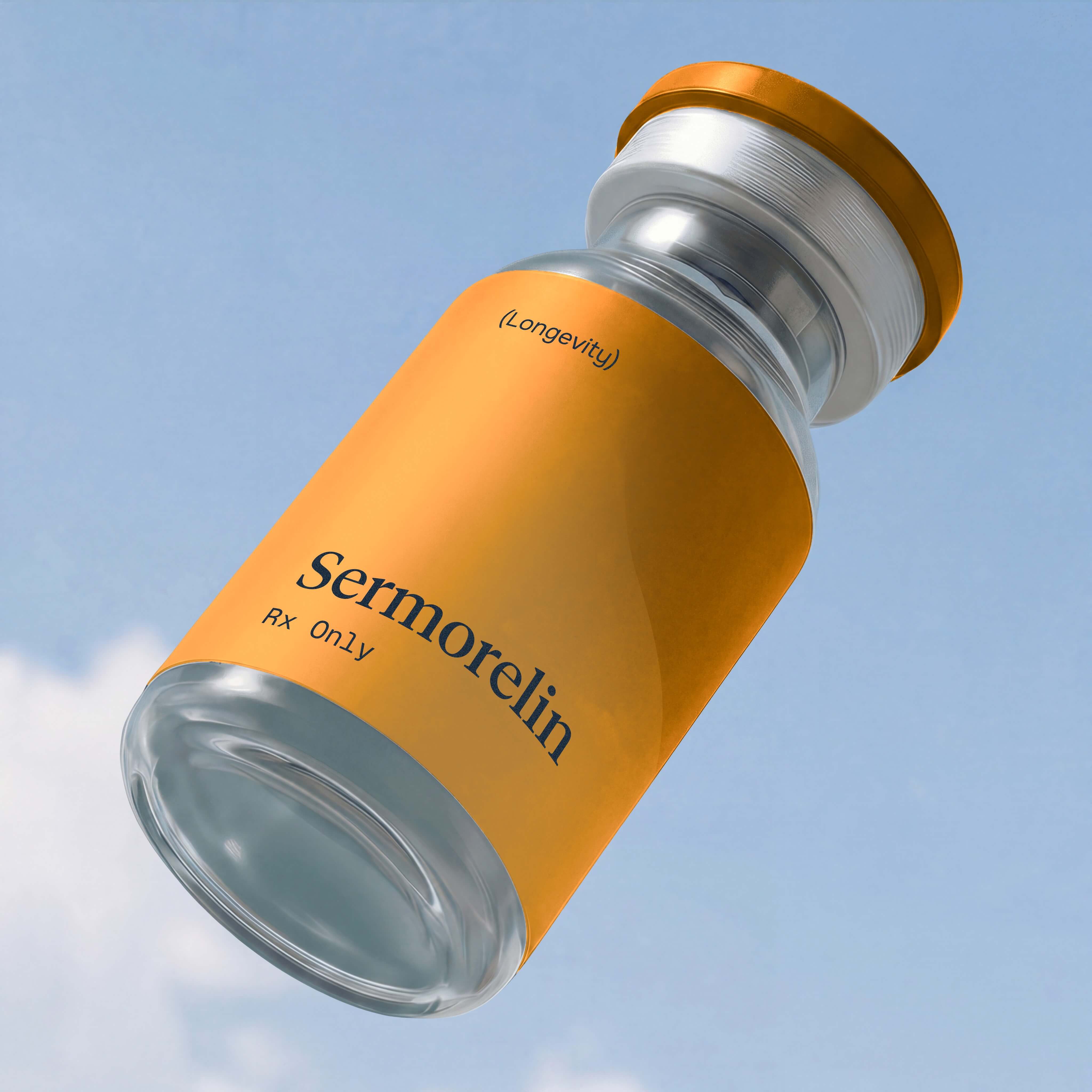
Growth hormone support
- From
- Pricing soon
- Taken
- Self-injected at home
- Type
- Growth hormone-releasing peptide
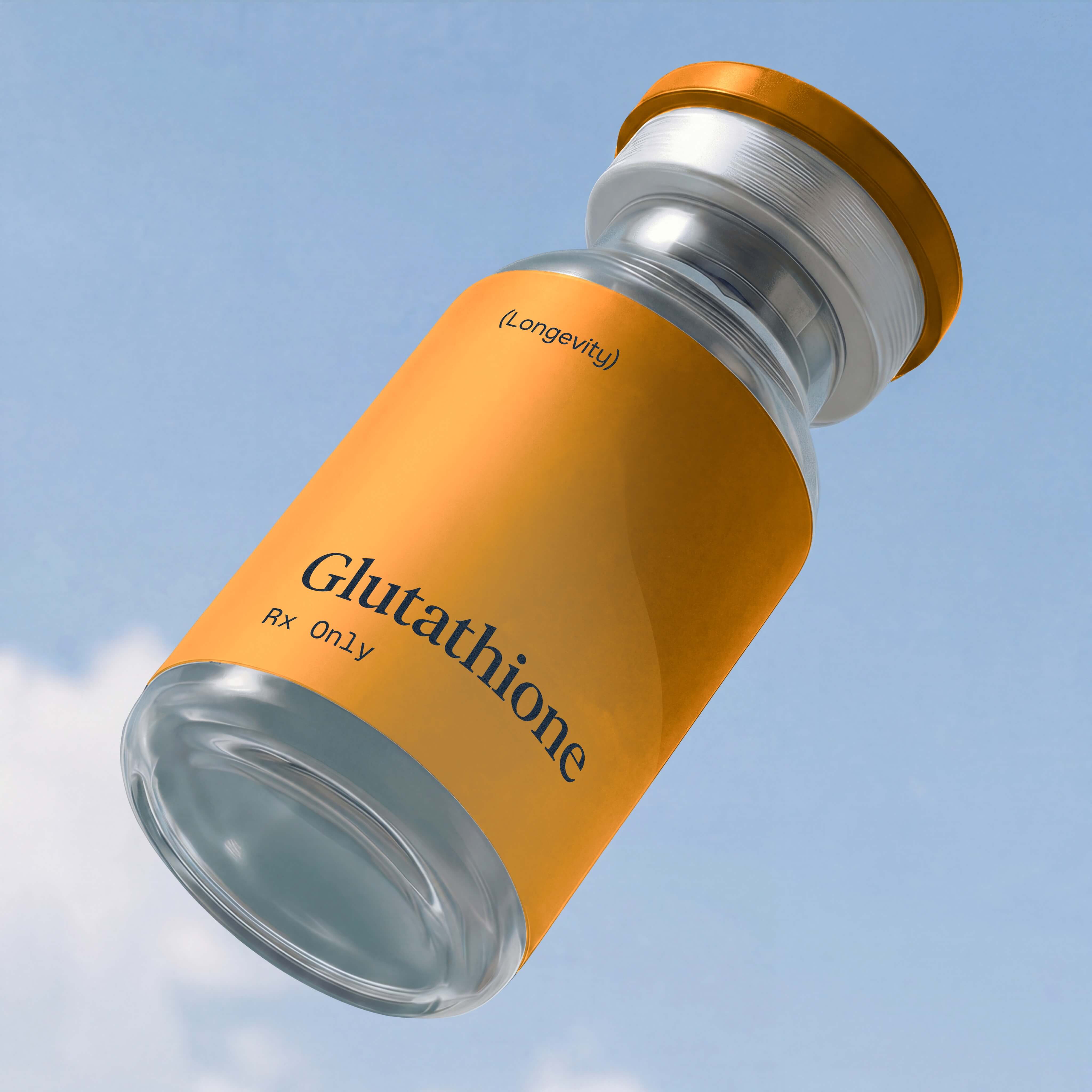
Antioxidant support
- From
- Pricing soon
- Taken
- Self-injected at home
- Type
- Your body’s primary antioxidant
If something goes wrong
You drew both into one syringe
Do not inject it. Discard the syringe in your sharps container, note what happened, and message your care team before drawing again. Discarding the syringe costs a few minutes. Injecting a mixture your pharmacy has not approved is a risk not worth taking.
You think you injected the wrong medication or amount
Do not take another dose to correct it. Message your Harbor clinician with what you drew, from which vial and when, and they will tell you whether to adjust the next dose or simply wait.
You missed a dose
Take the next one on schedule rather than doubling up, and ask your clinician whether your plan has a catch-up window. Ask your clinician whether your plan has a catch-up window. A single missed dose is usually handled by resuming on schedule; a pattern of missed doses is worth a conversation.
A site is red, warm or sore
Mild redness that fades within a day or two is common. Redness that spreads, grows warmer or comes with fever is a reason to message us the same day.
Message us instead of guessing
Swelling of the face, lips or throat, trouble breathing, a spreading rash or hives, or chest pain means stop and seek emergency care now. For anything short of that, send your care team a message and they will tell you what to do next.
Frequently asked questions
Yes. No interaction between NAD+ and glutathione has been documented, and many people are prescribed both on the same schedule. No trial has shown that the combination works better than either alone, so your clinician decides whether pairing them fits your goals and history.
There is no evidence for a required order. Your clinician sets the schedule. If one of the two tends to make you queasy, many people take that one second, so they are already sitting down with the routine finished.
Not unless your pharmacy or clinician has told you it is safe for your specific preparations. The default is two separate syringes, drawn one at a time, injected into two separate sites.
It depends on your goals, and human research on injected forms is still limited. The goal is support under supervision, not a promised outcome. A physician reviews your history first, and if it is not the right fit, it is not prescribed.
There is no well-established list of NAD+ interactions, which is exactly why your clinician needs to know everything you take, including other NAD+ precursors such as nicotinamide riboside or high-dose niacin. Do not add or stack supplements without telling your care team.
Sources
- Covarrubias AJ, Perrone R, Grozio A, Verdin E. NAD+ metabolism and its roles in cellular processes during ageing. Nat Rev Mol Cell Biol. 2021.
- Richie JP, et al. Randomized controlled trial of oral glutathione supplementation on body stores of glutathione. Eur J Nutr. 2015.
- Reyna K, et al. Intravenous infusion of NAD+ versus nicotinamide riboside: a retrospective tolerability pilot study in a real-world setting. Front Aging. 2026.
- MedlinePlus. Subcutaneous (SQ) injections.
- U.S. Food and Drug Administration. Safely using sharps (needles and syringes) at home, at work and on travel.
- U.S. Food and Drug Administration. Compounding and the FDA: questions and answers.
Keep reading
All 129 articles → Longevity
Sermorelin vs Tesamorelin: Which Growth-Hormone Peptide Fits Your Goals
Two growth-hormone-releasing peptides that work through the same pathway, with very different approvals, evidence and access. Here is how they compare, and how Harbor's clinicians think about the choice.
By Harbor Health Team
- Longevity
Sermorelin vs CJC-1295: Why Prescription Status Matters More Than Half-Life
CJC-1295 stays in the body for days. Sermorelin clears in minutes. Only one of them can be prescribed and compounded for you by a licensed pharmacy, and that is the difference that decides this comparison.
By Harbor Health Team
- Longevity
Sermorelin vs Testosterone Therapy: Two Different Levers for Energy and Muscle
One works on your growth hormone signal, the other replaces testosterone. Here is how they differ, who each one is actually for, and why the right choice starts with your labs.
By Harbor Health Team